100 Outperforming Enterprises Award & Learning Conference: The Power of Purpose, People, Performance
12 March 2026
In the age of AI, high-performing organizations are moving away from viewing workers purely as human capital and toward a more people-centered approach.
“Organizations that invest deeply in their people do not simply feel better. They do better; they perform better. Measurably, Consistently, Competitively.” – Professor Ian Fenwick, Director of Sasin
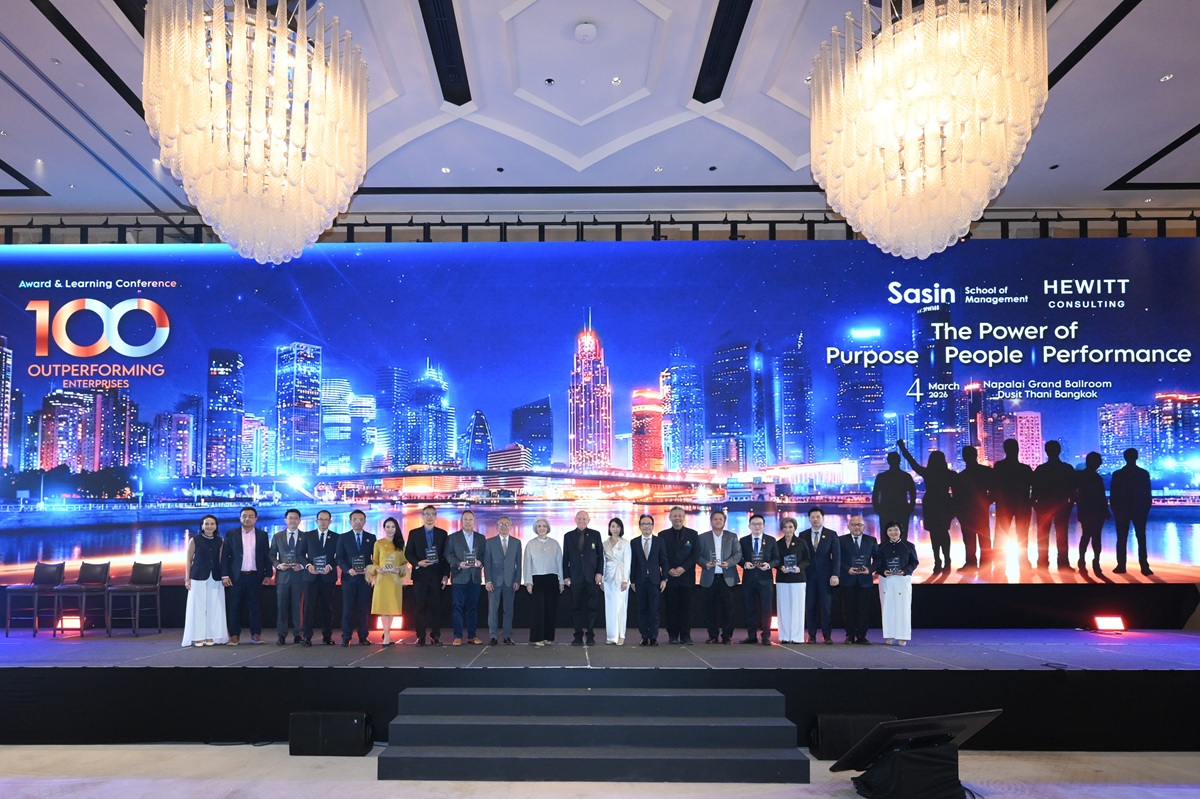
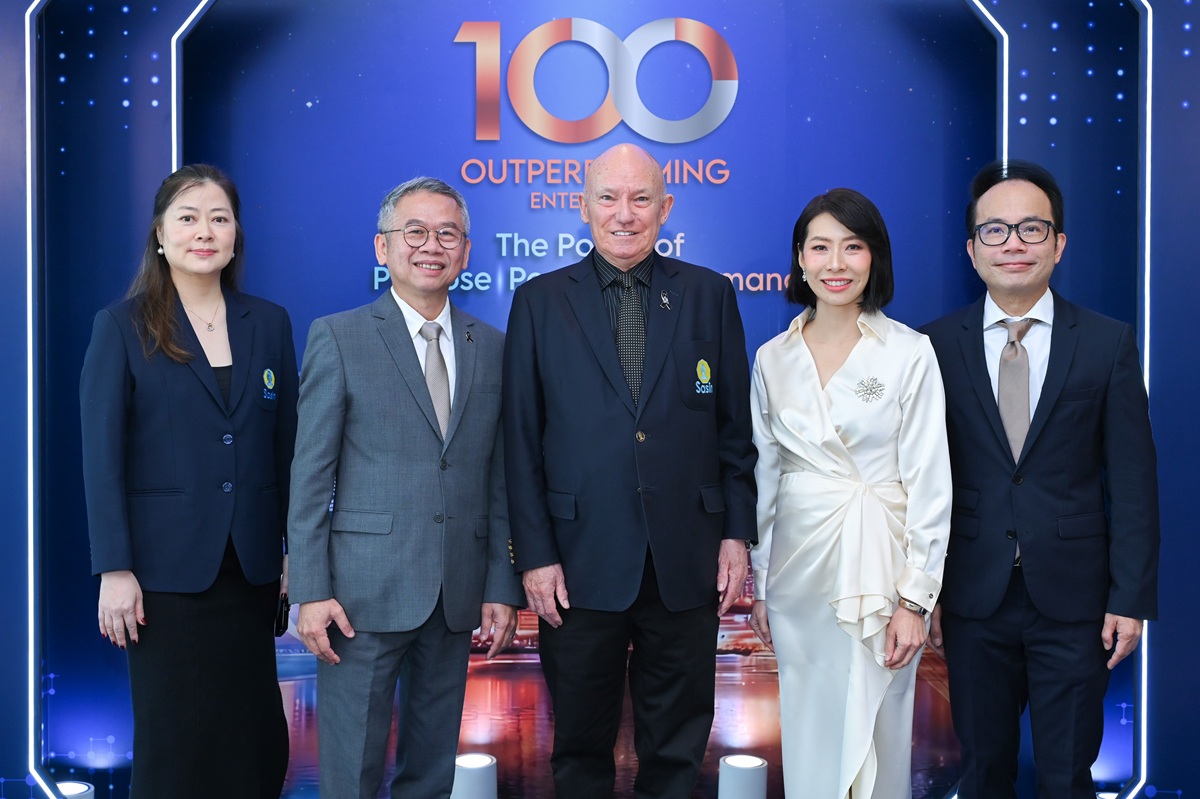
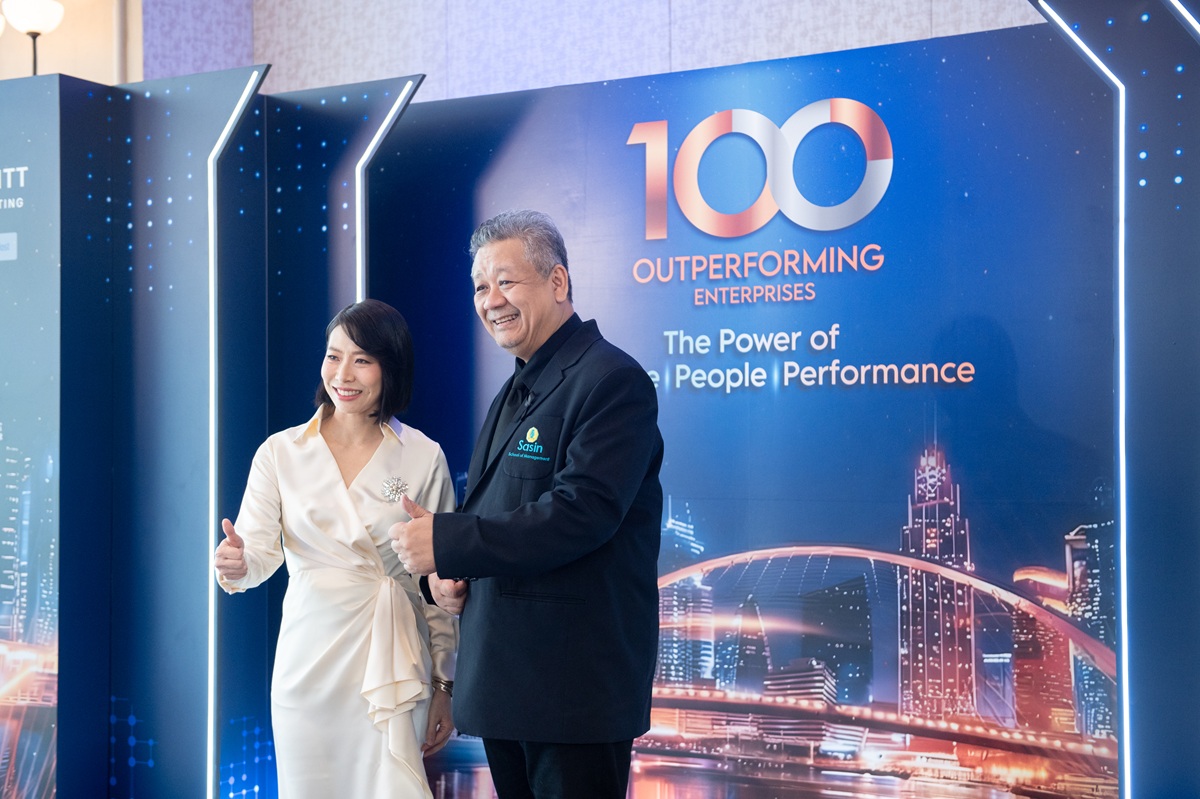
Hewitt Consulting, in partnership with Sasin, hosted the “100 Outperforming Enterprises Award & Learning Conference: The Power of Purpose, People, Performance,” on March 4, bringing together leading organizations in Thailand to explore strategies for sustainable outperformance through aligning purpose, people, and performance. Professor Ian Fenwick, Director of Sasin, delivered an opening speech on how organizations today shouldn’t just focus on results, but on developing engaging and purposeful people at work who make a difference to an organization. “We live in an era of relentless change, many react to this by focusing on speed, chasing the immediate win. Stop running around and think!” said Professor Fenwick. According to Professor Fenwick, while organizations are spending more on technology and AI, it is crucial to realize that building cultures and capabilities that can respond to change in a timely and considered fashion, aligning with the organization’s theme and purpose, is more conducive to long-term organizational health. “In the age of AI, everyone will have more or less similar access to AI, it is the people that use the AI that will make the difference,” he added, “Technology can execute a strategy. Only people can believe in a strategy.” Napas Sirivarangkul, Managing Director of Hewitt Consulting, delivered a keynote speech that focused on the fundamental shifts in how organizations must think about their people. She said that when Purpose, People, and Performance align as one system, there is an opportunity for sustainable outperformance, one that requires leadership to see the value of their employees beyond engagement metrics and capability assessments. “Organizations’ key focus today is moving from humility to humanity, seeing people not merely as human capital, but as human beings,” Napas said. Over the last three to four years, she noted a clear shift in organizations: from seeking engagement from employees to genuinely valuing the whole person, and realizing that human beings have emotions like fear. For the new generation of leaders, she advised that the ability to align a team to a shared purpose and to lead, inspire, and transform is what defines effective leadership today. Dr. Tasha Eurich, an Organizational Psychologist and New York Times Bestselling Author of “Shatterproof” and “Insight,” argues that resilience today is no longer about pushing through hardship, but about ensuring that human needs are being met. “We have to unlearn that idea. It’s not about just recovering from pressure, but using that pressure to become clearer, wiser, and more effective…move beyond bouncing back, and instead focus on growing forward,” said Dr. Tasha, who spoke virtually at the conference. She argued that organizations must develop shatterproof leaders, leaders who actively fuel the needs of their people. She offered three signs that an individual or organization is approaching a “resilience ceiling” or burnout:- You lose your spark — you may still be outperforming, but the energy, meaning, and purpose you feel may be diminished.
- Little things feel big — minor issues trigger outsized emotional reactions.
- Your best coping tools stop working — practices like gratitude, journaling, or exercise no longer help.
- Confidence — people need to feel capable, effective, and growing. Leaders undermine this through unclear priorities, constant shifts, and unrealistic expectations.
- Choice — autonomy is a hardwired human need, regardless of culture. It can be depleted when people lack flexibility in how they do their work, for example, having no opportunities to work remotely or on-site.
- Connection — belonging, trust, and psychological safety are foundational. Avoiding difficult conversations erodes this over time.



Share this article