A Focus on Sustainability: Sasin Ranked 22nd Globally, Top 10 in Asia for ESG Integration in Financial Times’ EMBA Rankings
21 January 2026
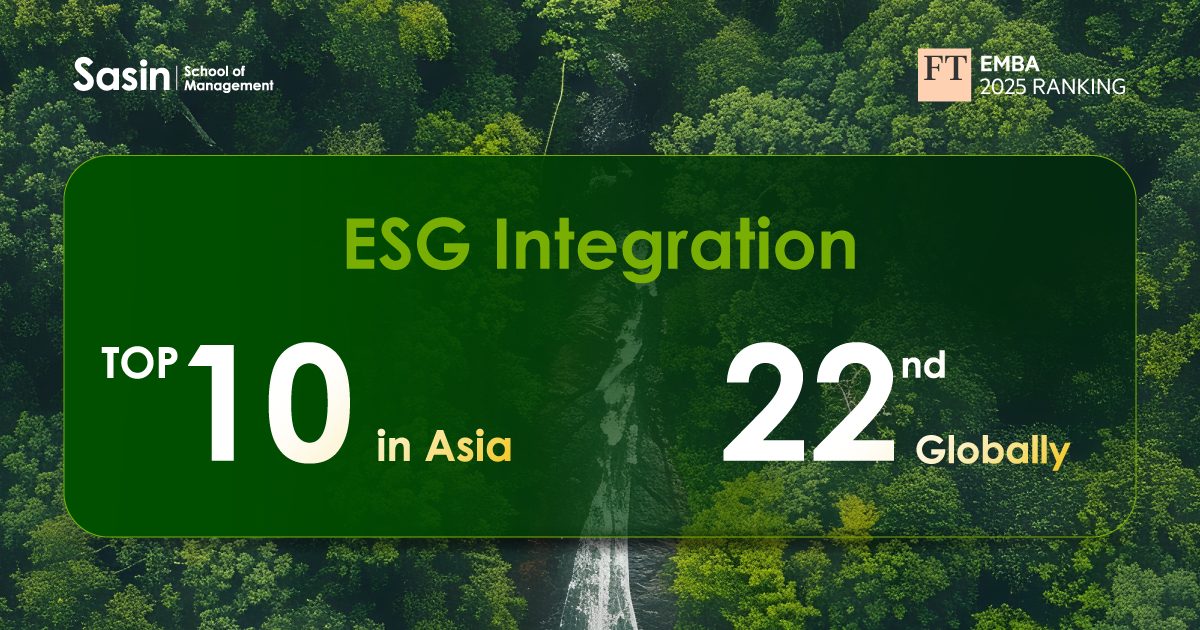
Sasin is among the top 100 EMBA programs (#89) in the Financial Times’ EMBA 2025 Business School ranking, notably standing out as one of the Top 10 institutions in Asia and 22nd globally for ESG integration.
At Sasin, ESG is integrated across all core programs ensuring that students, regardless of their career or educational background, develop the capabilities required to lead responsibly in today’s complex business environment. Sasin’s curriculum is continuously shaped to reflect global standards, emerging regulations, and evolving expectations from investors, customers, and society.
In the core course Environmental, Social, and Governance Factors for Business in the 21st Century, students develop the skills to lead sustainability initiatives and create a lasting impact in today’s dynamic business environment. The course equips future leaders with practical tools, frameworks, and technologies, like AI and blockchain, to design smart, scalable solutions that align profitability with purpose, cultivating a sustainability-driven mindset among busy professionals.
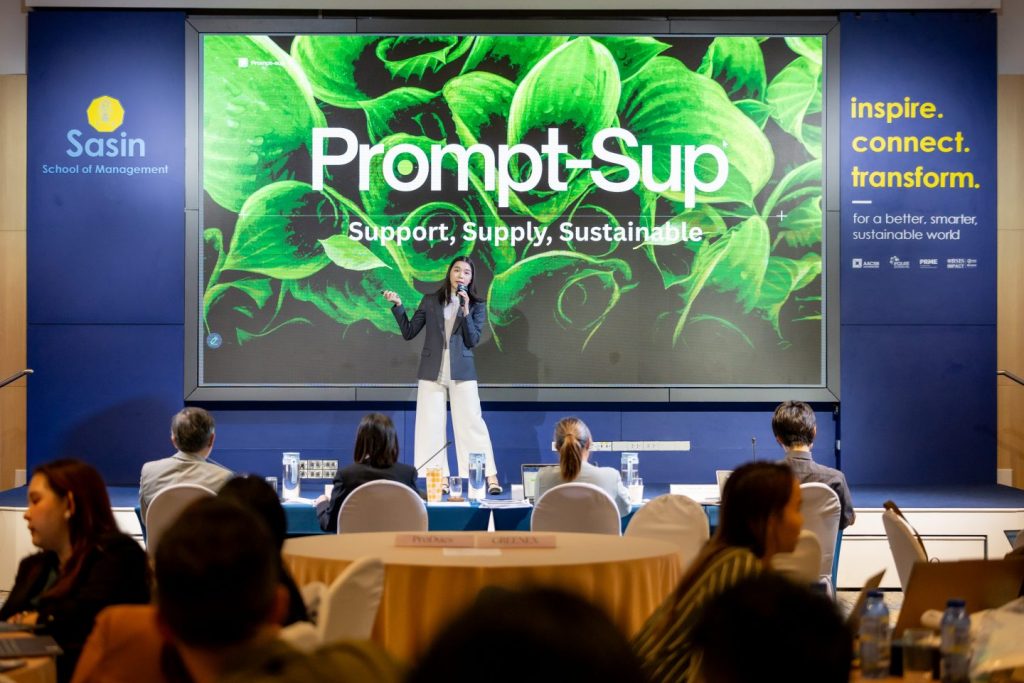
For instance, the “Sasin ESG Hack 2025: Innovating for EUDR Compliance” brought together Sasin students across programs to tackle a real-world sustainability challenge: designing ESG solutions for Thailand’s compliance with the EU Deforestation Regulation (EUDR). Students explored how technologies like AI, blockchain, and satellite mapping can drive traceability, support smallholders, and build scalable, inclusive platforms for sustainable trade. This hackathon marked the launch of a new platform for ESG innovation where business, climate action, and equity meet.
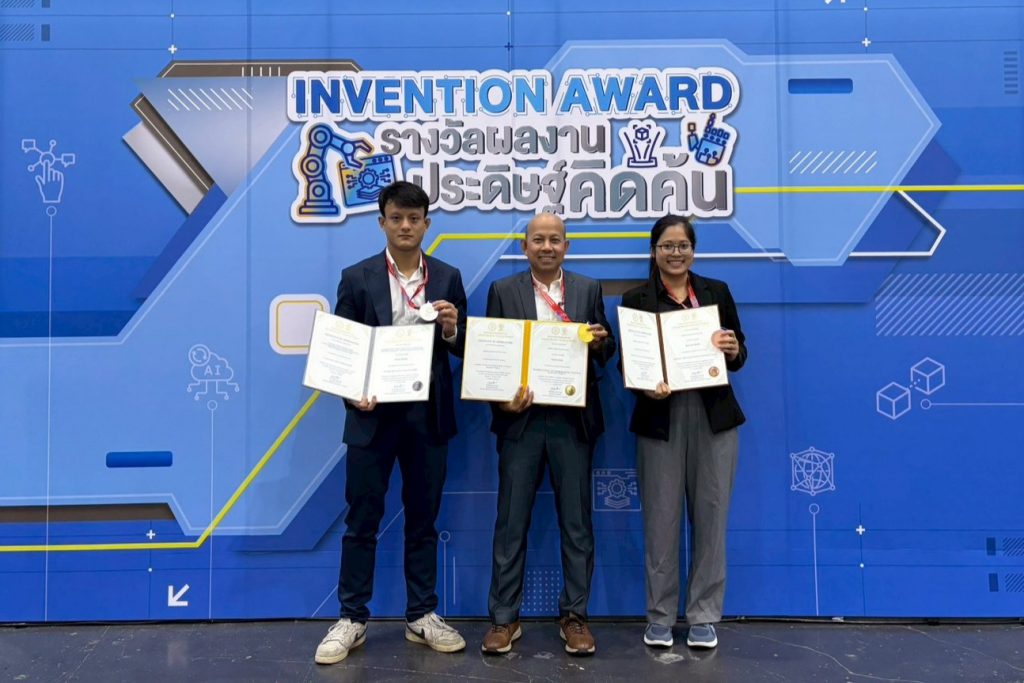
 This year, Sasin’s ESG students created their own AI-driven sustainability platforms showcasing them at Bangkok Intellectual Property Invention Innovation and Technology Exposition (IPITEx 2026 on “Thailand Inventors’ Day,” hosted by the National Research Council of Thailand (NRCT). Sasin ESG teams, including RabbitESG, Krumap, and Tree Taishi, received Gold Medal Award, Silver Medal Award, and Bronze Medal Award respectively for the invention of their AI-driven sustainability platforms, which address critical challenges in sustainability.
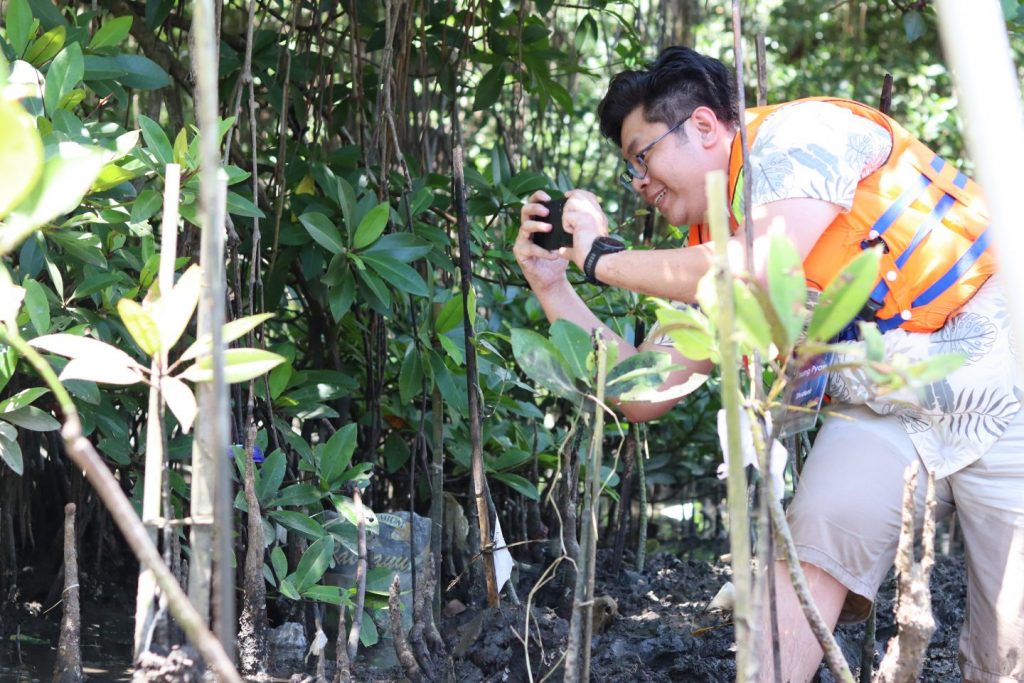
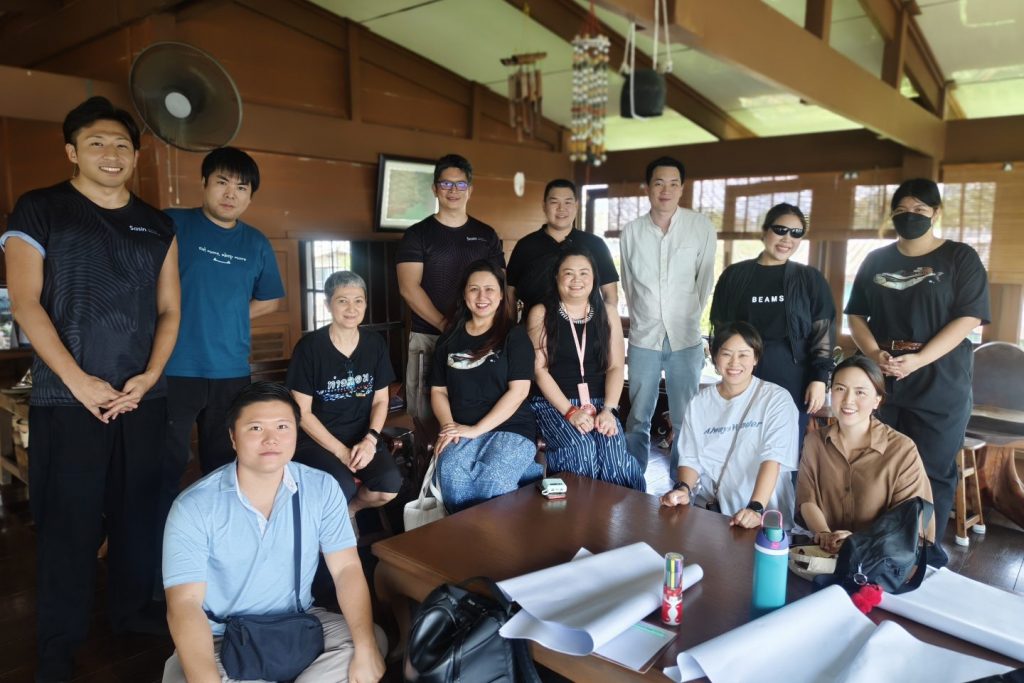 Beyond brand management, students engage local communities through the Sasin ESG course. A field trip to Nakhon Ratchasima introduced students to tree measurement, rapid forest assessments, and analysis of deforestation drivers to establish baseline scenarios. The experience also covered EUDR compliance, land-cover mapping, and forest carbon accounting, reinforcing the role of environmental awareness and sustainability in business education.
Taking community engagement to an international scale, the Connect+ Executive MBA program brings students together, immersing them in a different cultural setting during their residential experience to identify barriers and embrace sustainable practices and eco-friendly innovation, turning challenges into meaningful impact.
Beyond brand management, students engage local communities through the Sasin ESG course. A field trip to Nakhon Ratchasima introduced students to tree measurement, rapid forest assessments, and analysis of deforestation drivers to establish baseline scenarios. The experience also covered EUDR compliance, land-cover mapping, and forest carbon accounting, reinforcing the role of environmental awareness and sustainability in business education.
Taking community engagement to an international scale, the Connect+ Executive MBA program brings students together, immersing them in a different cultural setting during their residential experience to identify barriers and embrace sustainable practices and eco-friendly innovation, turning challenges into meaningful impact.
This year, Sasin’s ESG students created their own AI-driven sustainability platforms showcasing them at Bangkok Intellectual Property Invention Innovation and Technology Exposition (IPITEx 2026 on “Thailand Inventors’ Day,” hosted by the National Research Council of Thailand (NRCT). Sasin ESG teams, including RabbitESG, Krumap, and Tree Taishi, received Gold Medal Award, Silver Medal Award, and Bronze Medal Award respectively for the invention of their AI-driven sustainability platforms, which address critical challenges in sustainability.
Sasin’s Students Learn Sustainability via Community Engagement
Sasin creates community impact through immersive, action-based learning initiatives that integrate sustainability and experiential learning into business education. Faculty-led programs connect students with local communities, enabling them to apply classroom concepts to real-world challenges while creating meaningful impact through community engagement and sustainable development. In the course, Brand Management in the Era of Sustainability and Digital Transformation, students visited the historic Tha Chalom community in Samut Sakhon, learning from local entrepreneurs’ lived experiences and co-designing brand identities. In the Consumption and Marketing course, students learn to create social enterprises by partnering with Pankan Shop, transforming gently used items into scholarships for underprivileged children.
Beyond brand management, students engage local communities through the Sasin ESG course. A field trip to Nakhon Ratchasima introduced students to tree measurement, rapid forest assessments, and analysis of deforestation drivers to establish baseline scenarios. The experience also covered EUDR compliance, land-cover mapping, and forest carbon accounting, reinforcing the role of environmental awareness and sustainability in business education.
Taking community engagement to an international scale, the Connect+ Executive MBA program brings students together, immersing them in a different cultural setting during their residential experience to identify barriers and embrace sustainable practices and eco-friendly innovation, turning challenges into meaningful impact.
Learning ESG Through Real-World Action
A defining feature of Sasin’s ESG integration is its action learning approach. Through initiatives such as the Sustainability Action Learning Lab, students work directly with private-sectors, NGOs, and government partners on real ESG and sustainability projects. Sasin’s faculty and students collaborate closely with business enterprises and Sasin’s alumni network to ensure ESG learning remains practical, relevant, and impact-driven. These experiences allow students to:- Apply ESG factors to business decision-making
- Work with companies on sustainability strategies
- Learn how organizations prepare sustainability reports and select appropriate reporting standards
Systems Thinking and Mentorship: Sasin’s Approach to ESG Education
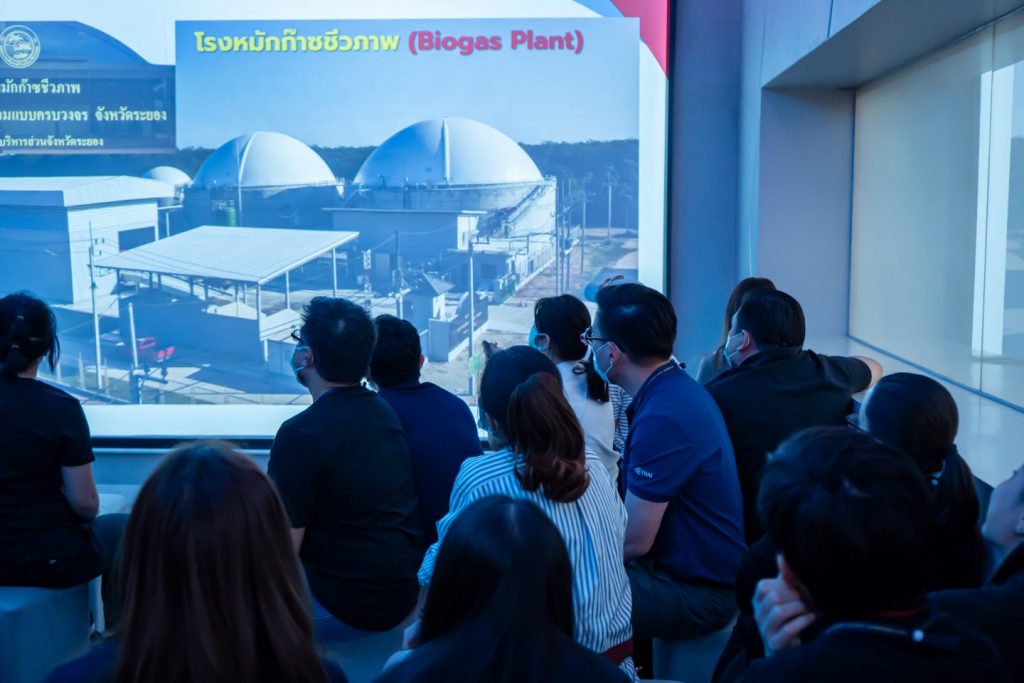
At Sasin, ESG is integrated from the start of the learning journey. In the Connect+ Executive MBA program, students are introduced to systems thinking and decarbonization, framing sustainability as a collaborative, long-term, and practical business challenge. Throughout the program, learning is enriched through mentorship from ESG practitioners in Sasin’s alumni network, with contributions such as decarbonization sessions and company visits led by Adrianus Josephus Van Den Broek (Sasin DBA 2024), Project Director & Advisor of Map Ta Phut Decarbonization, providing real-world sustainability insights at GPSC in Rayong.
Learning the Significance of ESG through the 2023 SDGs Game
In addition to community engagement and collaboration with diverse organizations, students also have the opportunity to sharpen their critical thinking and negotiation skills through the 2030 SDGs Game. This multiplayer, card-based simulation assigns players different roles and objectives, challenging them to make decisions that impact global progress toward the UN Sustainable Development Goals. After the game, students participate in a discussion on how to move beyond sustainability towards a regenerative leadership approach. They learn to focus on creating a positive impact by actively improving the environment and society, thereby restoring the natural ecosystems.Bangkok Business Challenge: Sustainability through an Entrepreneurial Mindset
The Bangkok Business Challenge is Asia’s longest-running global student startup competition, providing university students a platform to present sustainable, innovation-driven business solutions. Organized and held at Sasin, with the theme “Growing Impactful Ventures,” the Bangkok Business Challenge encourages students from around the world to develop bold ideas, finding solutions to economic, social, and environmental challenges while creating opportunities for networking and international collaboration.Share this article
You might be interested in...


