CPO Forum 2026
14 August 2026
Humanize to Reinvent: Turning Human Potential into Business Impact
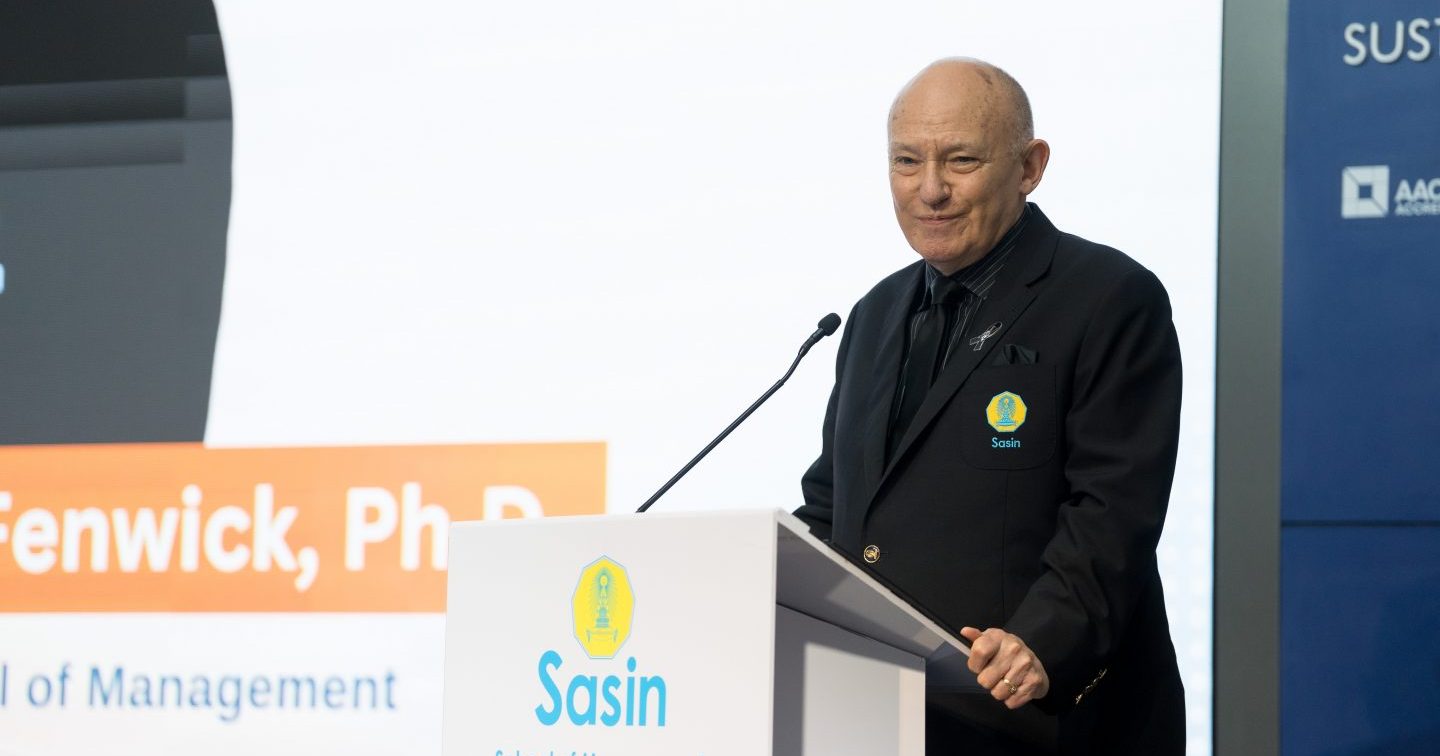
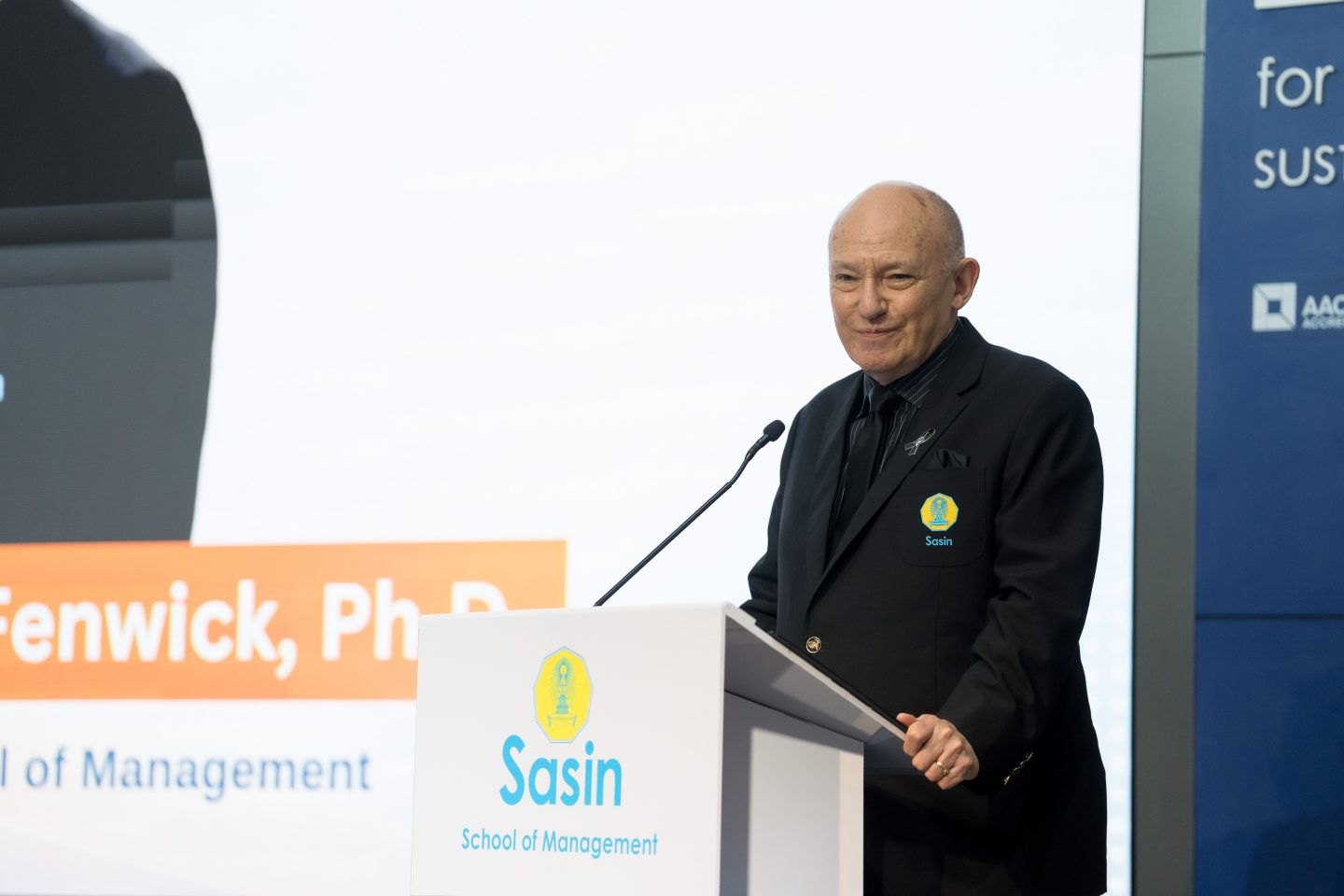
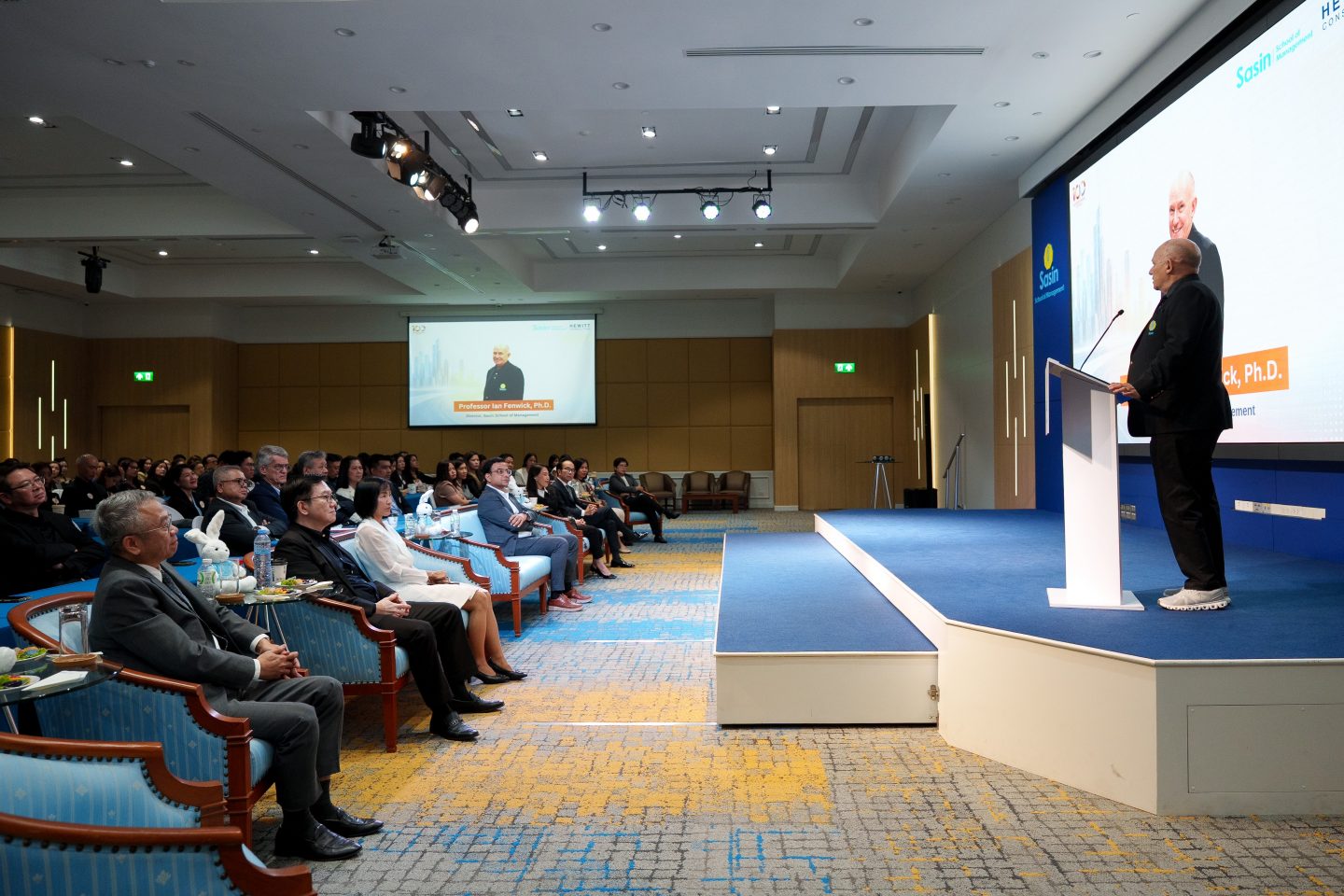
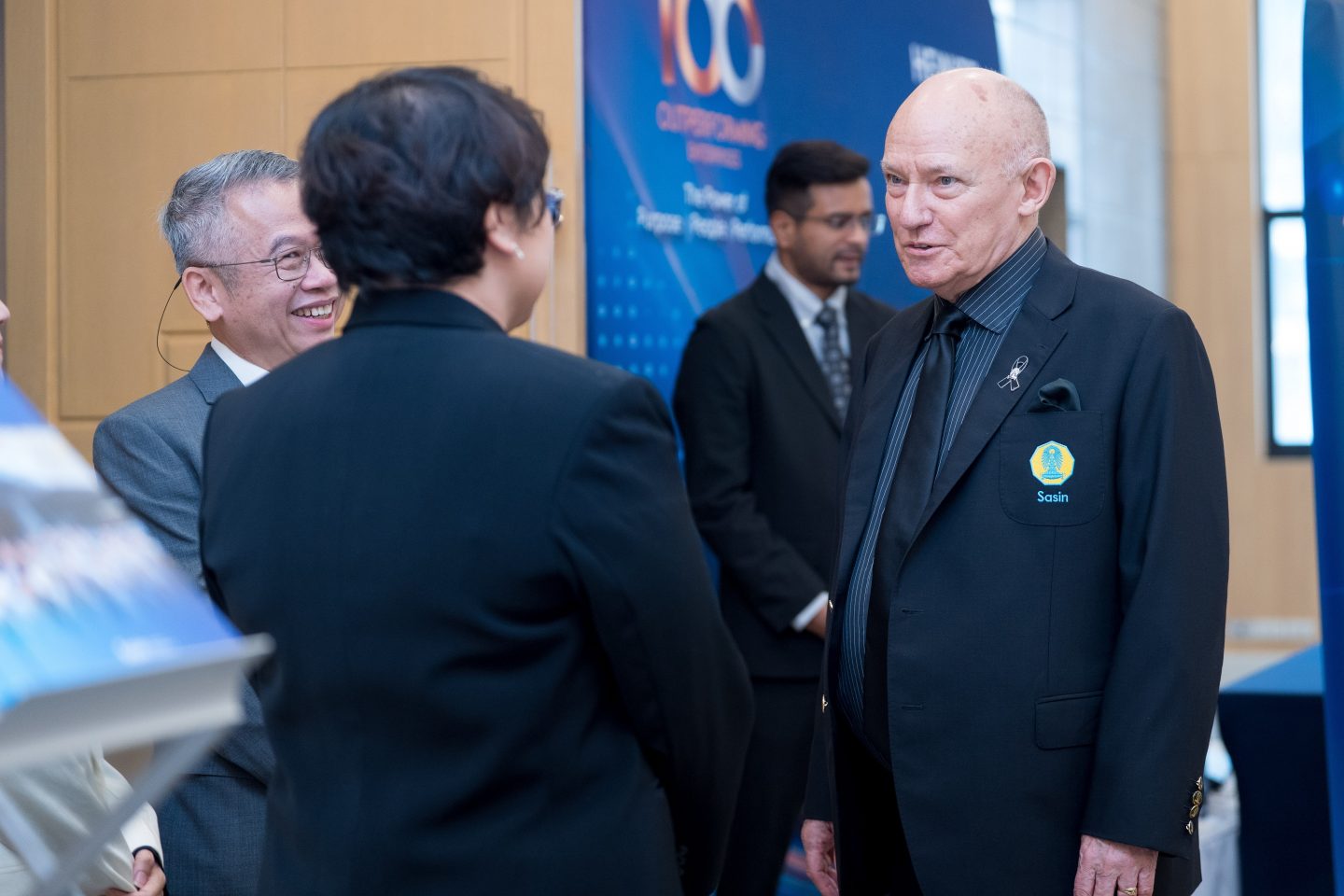
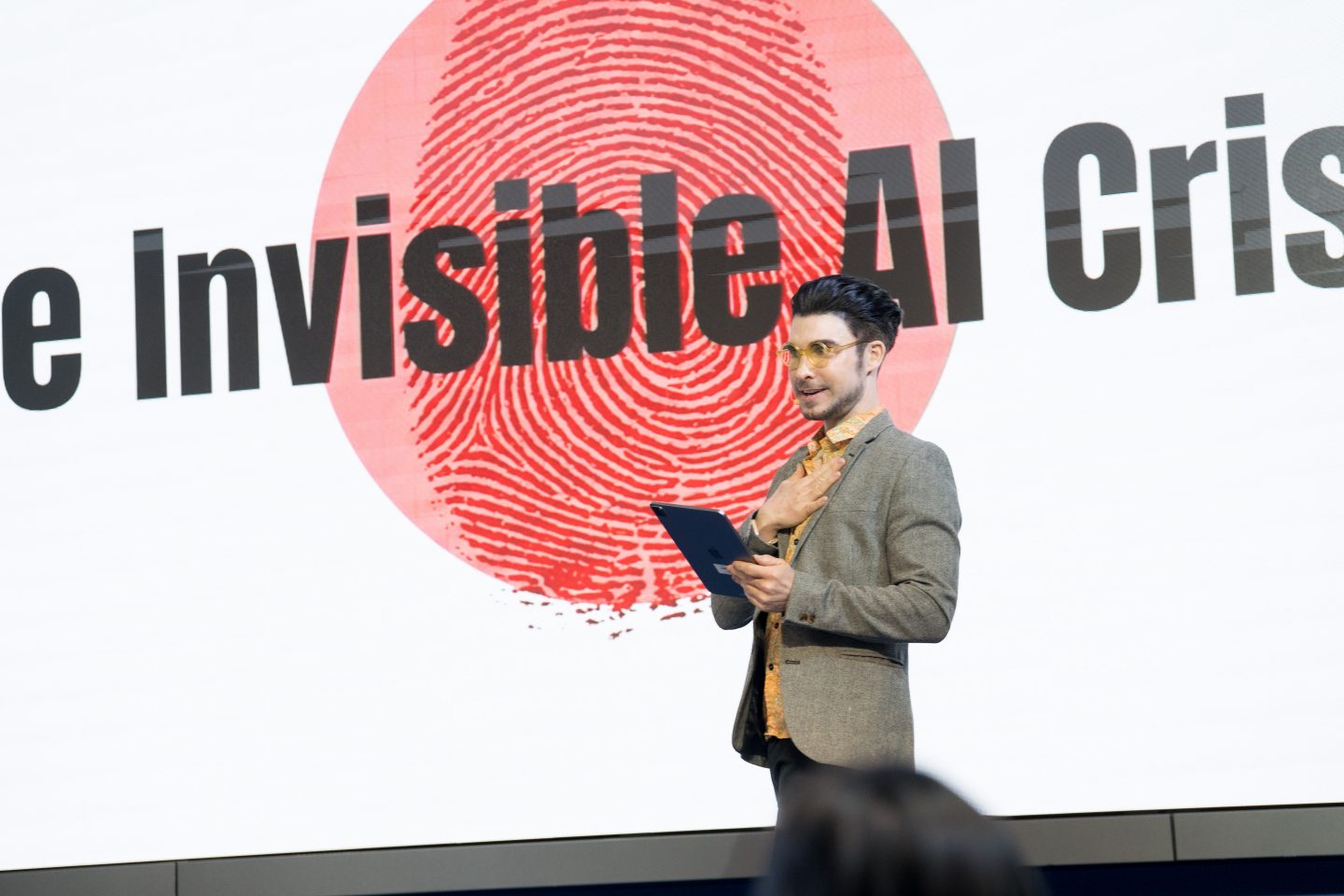
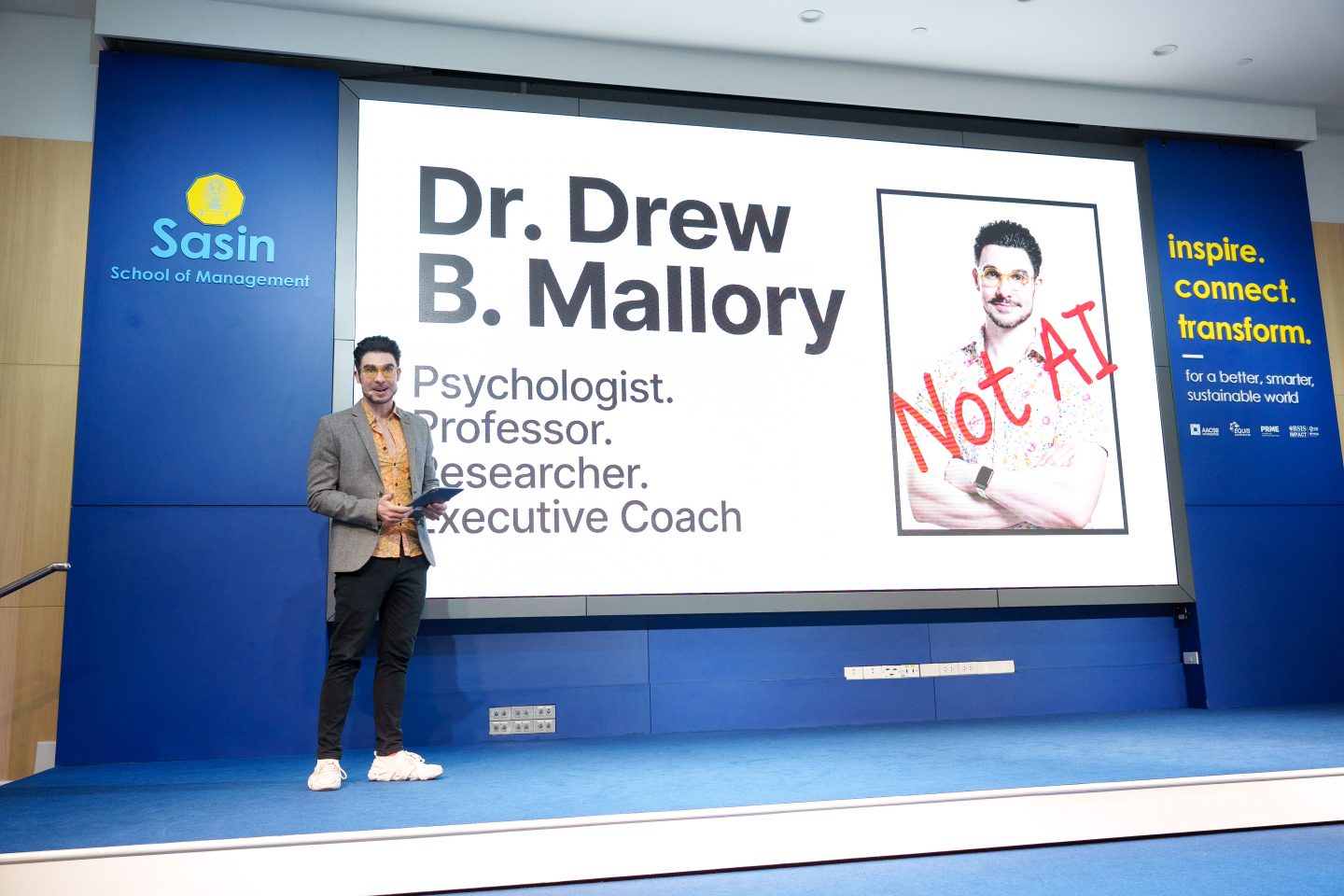
Hewitt Consulting, in partnership with Sasin, co-hosted the second CPO Forum, “Humanize to Reinvent: Turning Human Potential into Business Impact.” The forum is part of the 100 Outperforming Enterprises Program, a joint initiative between Sasin and Hewitt. The program’s objective is to empower 100 enterprises in Thailand to achieve sustainable growth through purpose-driven leadership, a culture of innovation, and strategic people management. This year’s forum highlighted the critical need for leadership to remain human-centric despite the era of artificial intelligence, automating work and labor, and ultimately increasing productivity. In his opening speech, Professor Ian Fenwick, Sasin Director, addressed the role of human beings in the age of AI, arguing that people need to lead AI rather than be led by it. He invoked a warning from Canadian technology writer Cory Doctorow, who warns against becoming a “reverse centaur,” a mythical creature, half human, half horse, but with the roles reversed. “A reverse centaur is someone who allows the machine to be the head, with the human simply providing the rear end and the animation — people conscripted to work at the machine’s pace instead of the other way around,” Dr. Ian said. Associate Professor Drew B. Mallory, Sasin Inclusion Ambassador and Director of Research at the Neurodiversity at Work Research Centre (NWRC), shared two recent cases in which human use of AI resulted in failure, along with psychological analysis of why these failures occurred. He presented these insights and provided some solutions during one of the CPO Forum 2026 sessions, “People at the Heart of Transformation: A Psychologist’s View on Why the AI Revolution Must Start with People, Not Machines”:- Speed Over Friction Leads to Disaster Dr. Drew brought up the case of Starbucks Korea’s “Tank Day” tumbler campaign, launched on May 18, which coincides with the anniversary of the 1980 Gwangju Uprising, when a mass protest against the South Korean military government occured. The marketing team at Starbucks Korea also generated slogans with AI, that suggested the phrase “Thwack it on the table,” which Koreans interpreted as a reference to a notorious 1987 police claim that the student activist Park Jong-chul died as he “hit the desk with a thwack.” Seven different managers signed off on the campaign without opening the files. This cultural insensitivity resulted in public outrage, with customers cancelling card payments and smashing Starbucks mugs in protest.So why did this catastrophe occur? Dr. Drew warned that people are falling into a psychological trap called automation bias, the human tendency to assume that an authoritative machine is flawless. “We turn our brains off because we’re cognitively lazy,” said Dr. Drew. To prevent automation bias, he advised companies to mandate institutional friction.“Optimization for speed without the deliberate friction of ethical review and interaction among peers is a reputational time bomb,” said Dr. Drew, “Require your teams to manually verify, justify, and sign-off on anything that touches the machine or anyone else who might sound like they know a little too much.”
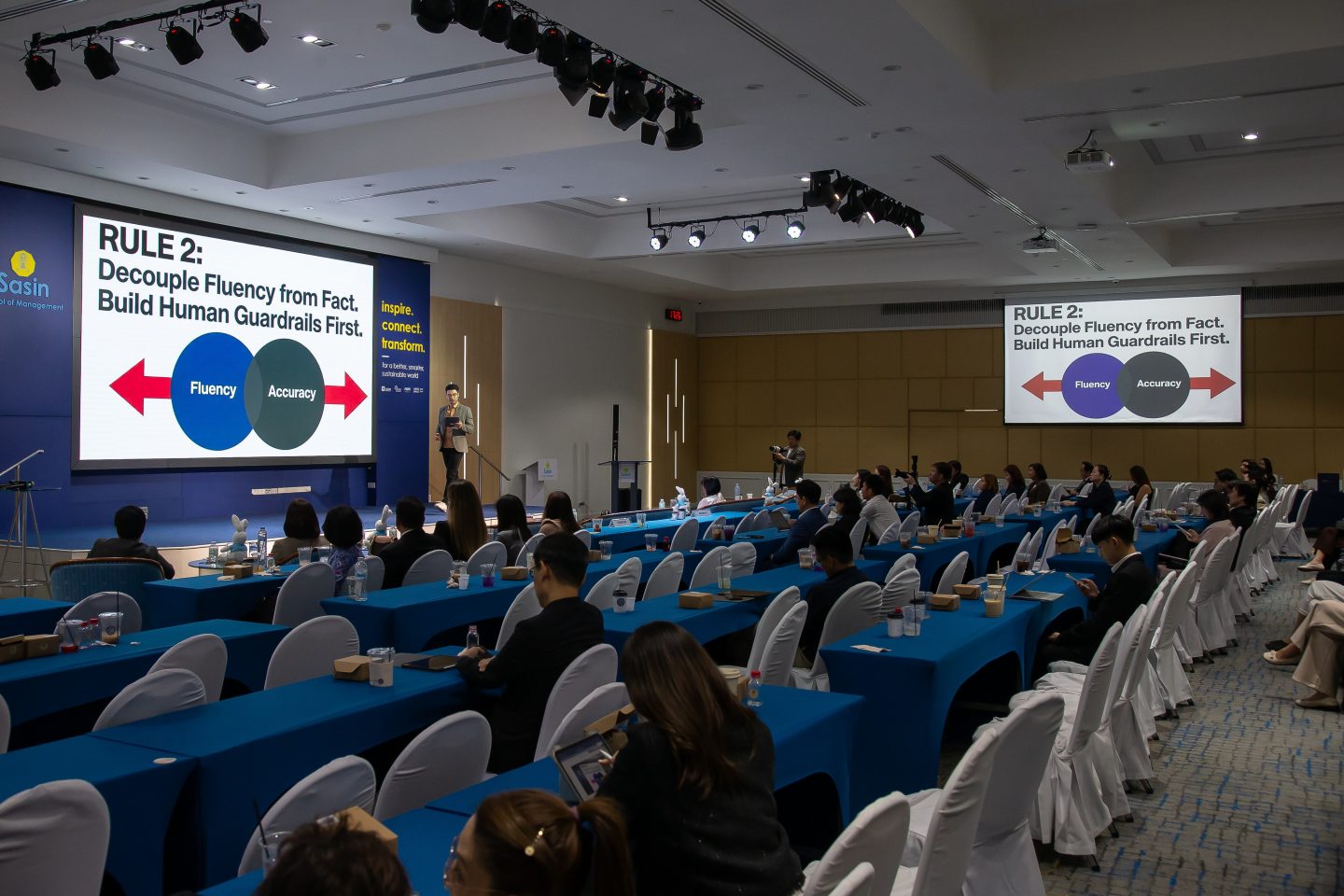
- Decouple Linguistic Fluency from Factual Accuracy. Build Human Guardrails First. Dr. Drew brought up another disastrous case at Samsung Electronics where they experienced three separate leaks within 20 days in April 2023. Engineers in the semiconductor division pasted proprietary source code, another uploaded the company’s closely guarded chip yield-optimization algorithms, and put confidential executive meeting notes directly into a public AI chatbot in an effort to work faster.Dr. Drew calls this psychological trap the confidence heuristic, evaluating factual accuracy based purely on linguistic fluency; in short, believing the confident liar.- Dr. Drew’s rule of thumb: Learn from Starbucks’ failure and decouple fluency from fact, by learning to be skeptical of what sounds overly polished or too good to be true. – His recommendation for leaders: build human guardrails into workflows before AI is rolled out, not after something goes wrong.
- Invest in Rehabilitative Socialization and Foster Public, Direct Conflict Resolution: Dr. Drew also leaned into his own coaching experiences mentoring hundreds of Thai executives to share his observations on incoming talent. According to data from Microsoft and LinkedIn that Dr. Drew cited, 75% of global knowledge workers are now using generative AI at work, but 68% say they’re struggling to keep pace with it. What’s more worrisome is that 52% of employees who use AI on important tasks are actively hiding it, and 53% worry that being open about their AI use will make them appear replaceable.
Share this article


