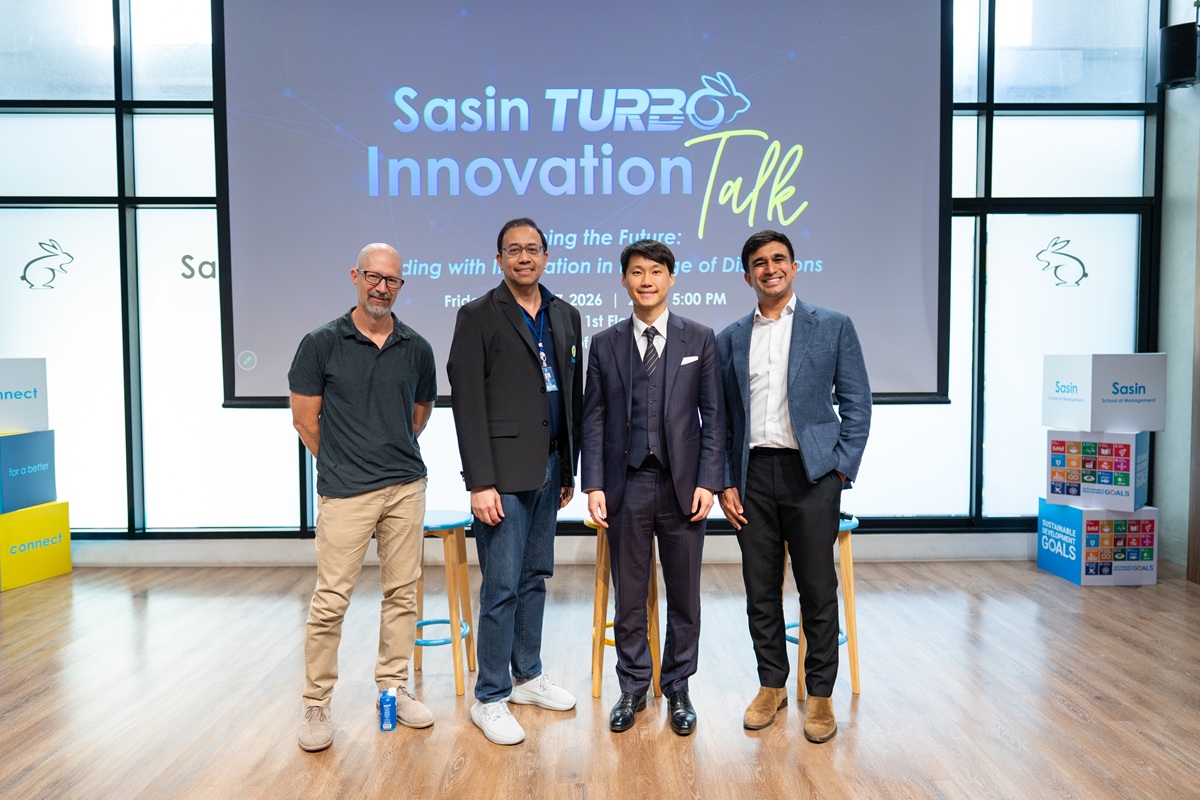
Sasin Turbo Innovation Talk: Forecasting Tomorrow’s World Through the Eyes of Innovation Leaders
01 April 2026
When new technologies are reshaping the global game
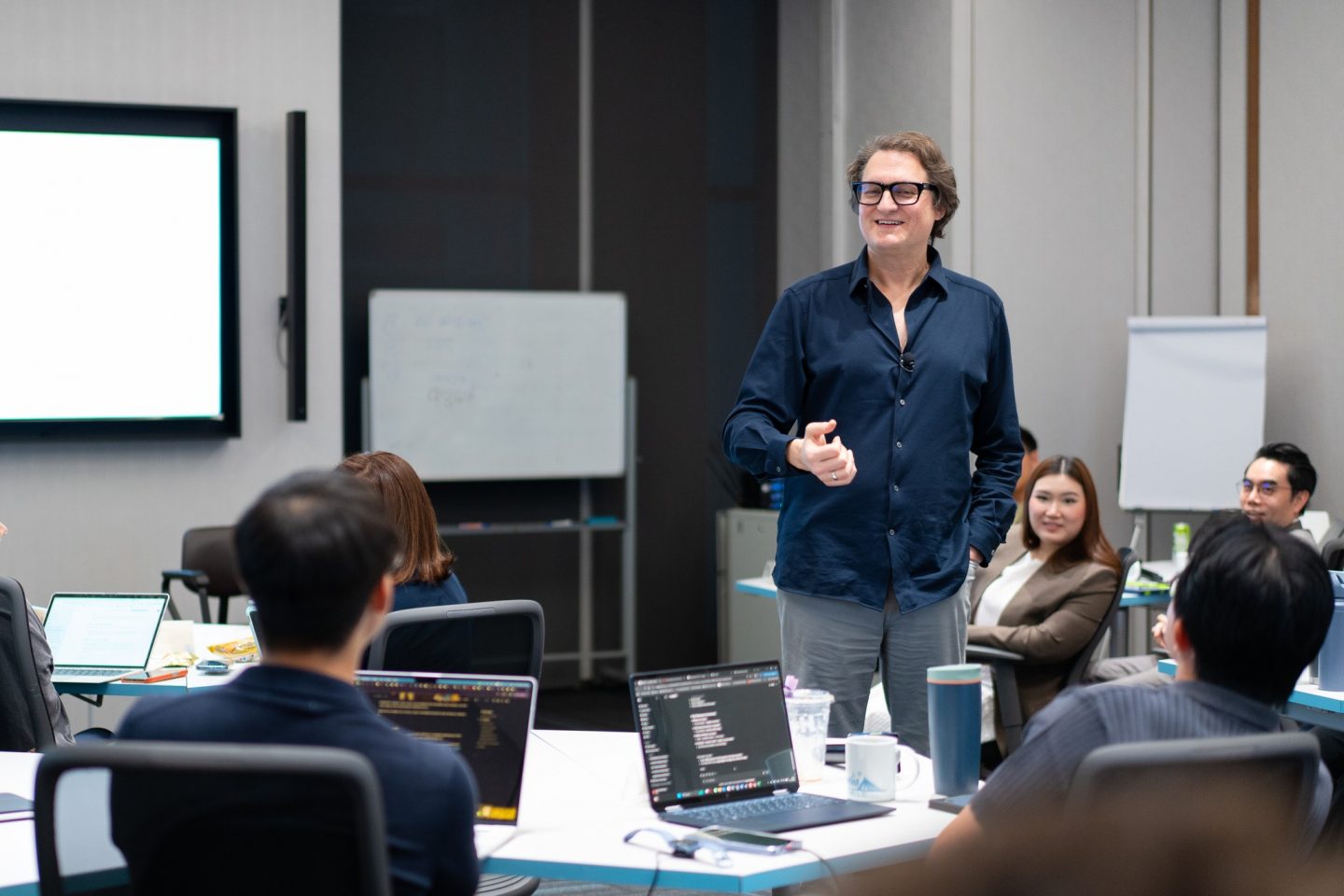
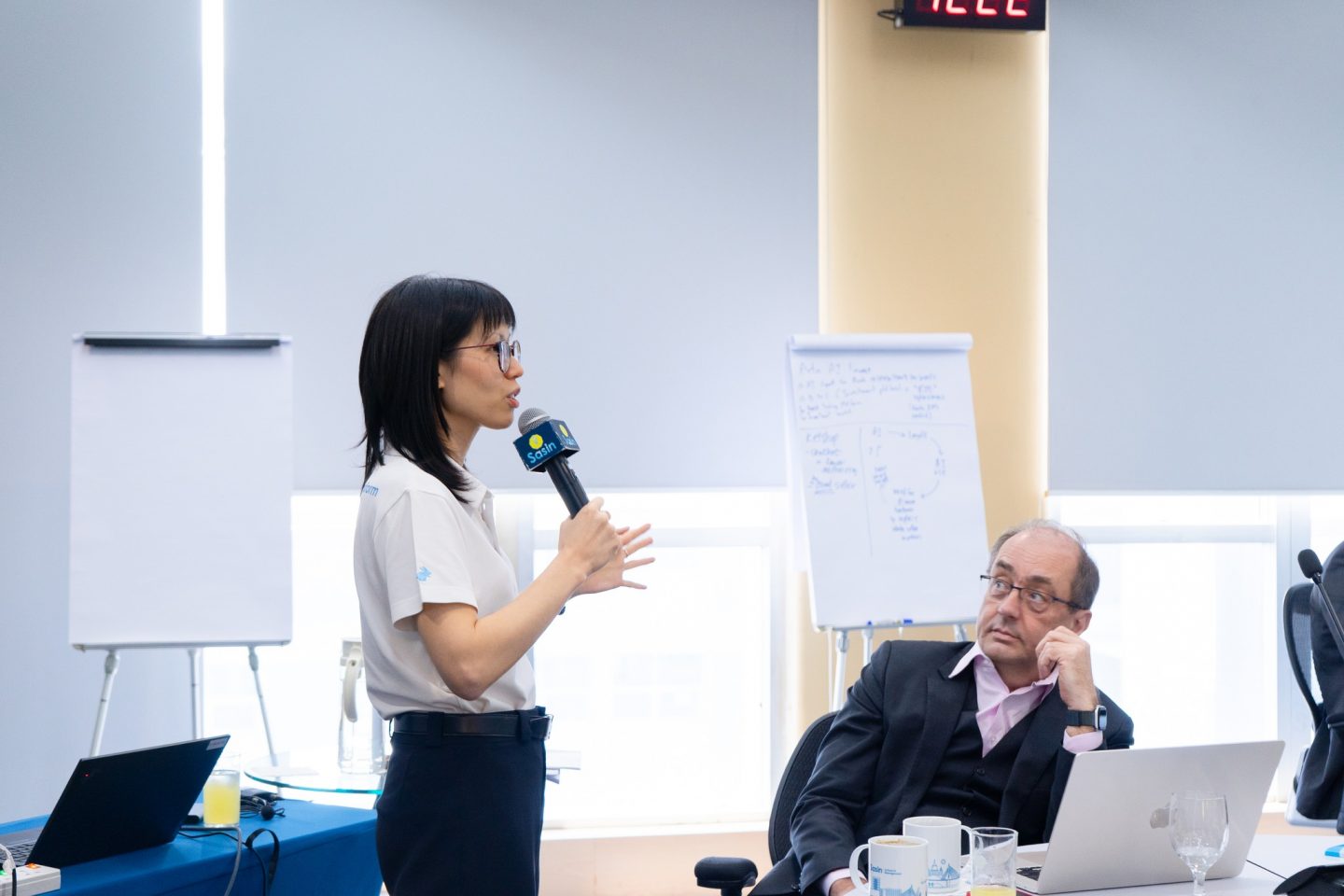
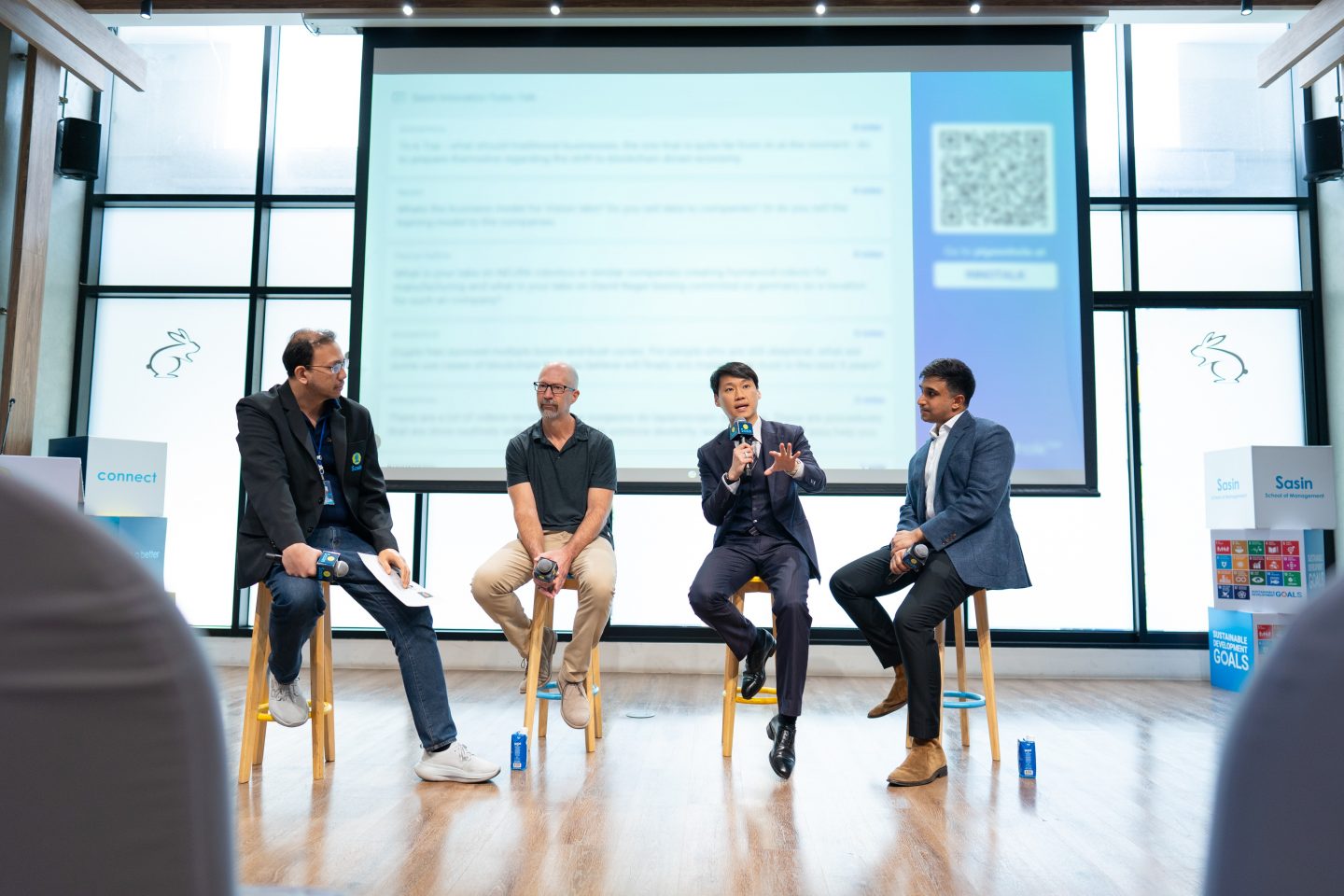
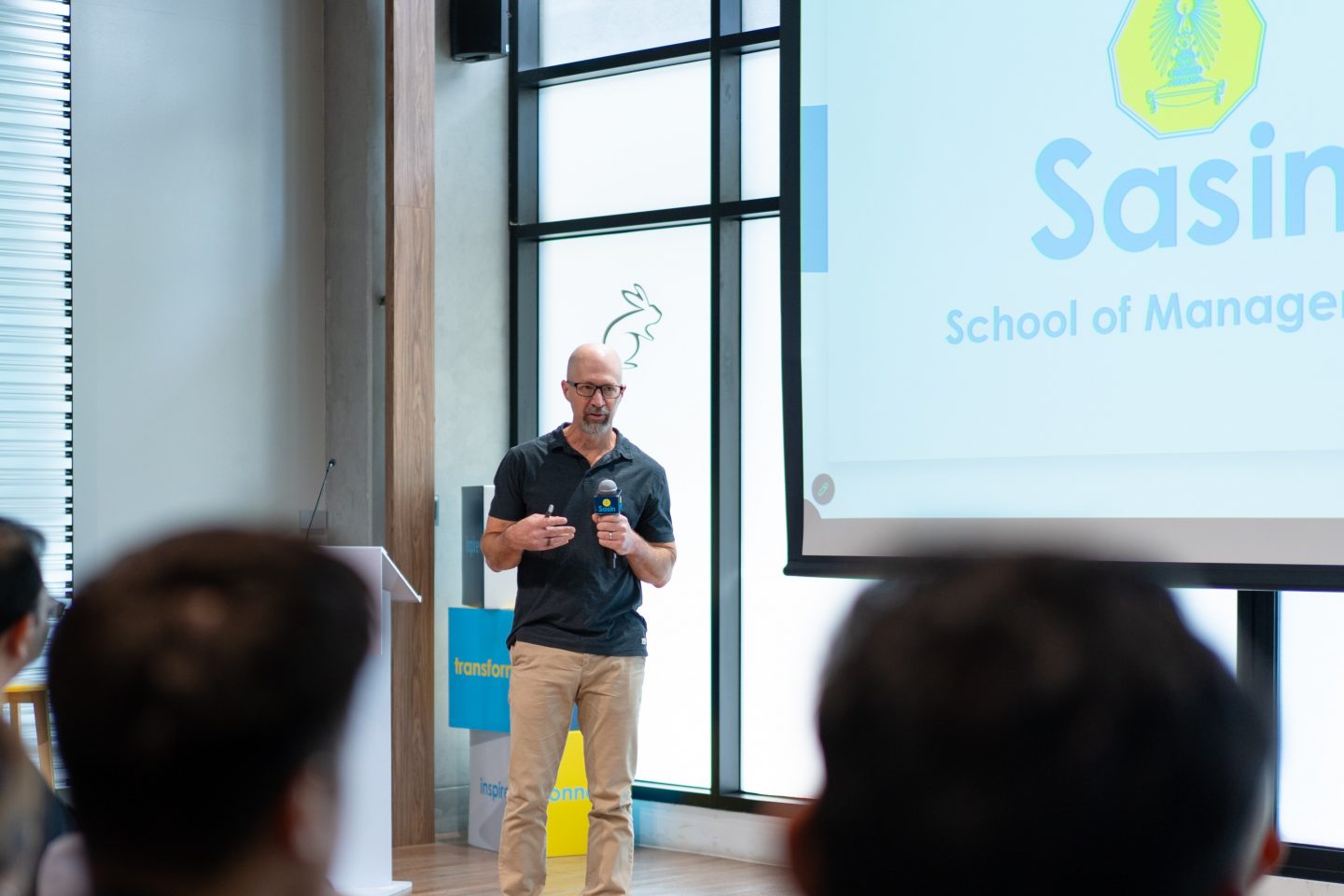
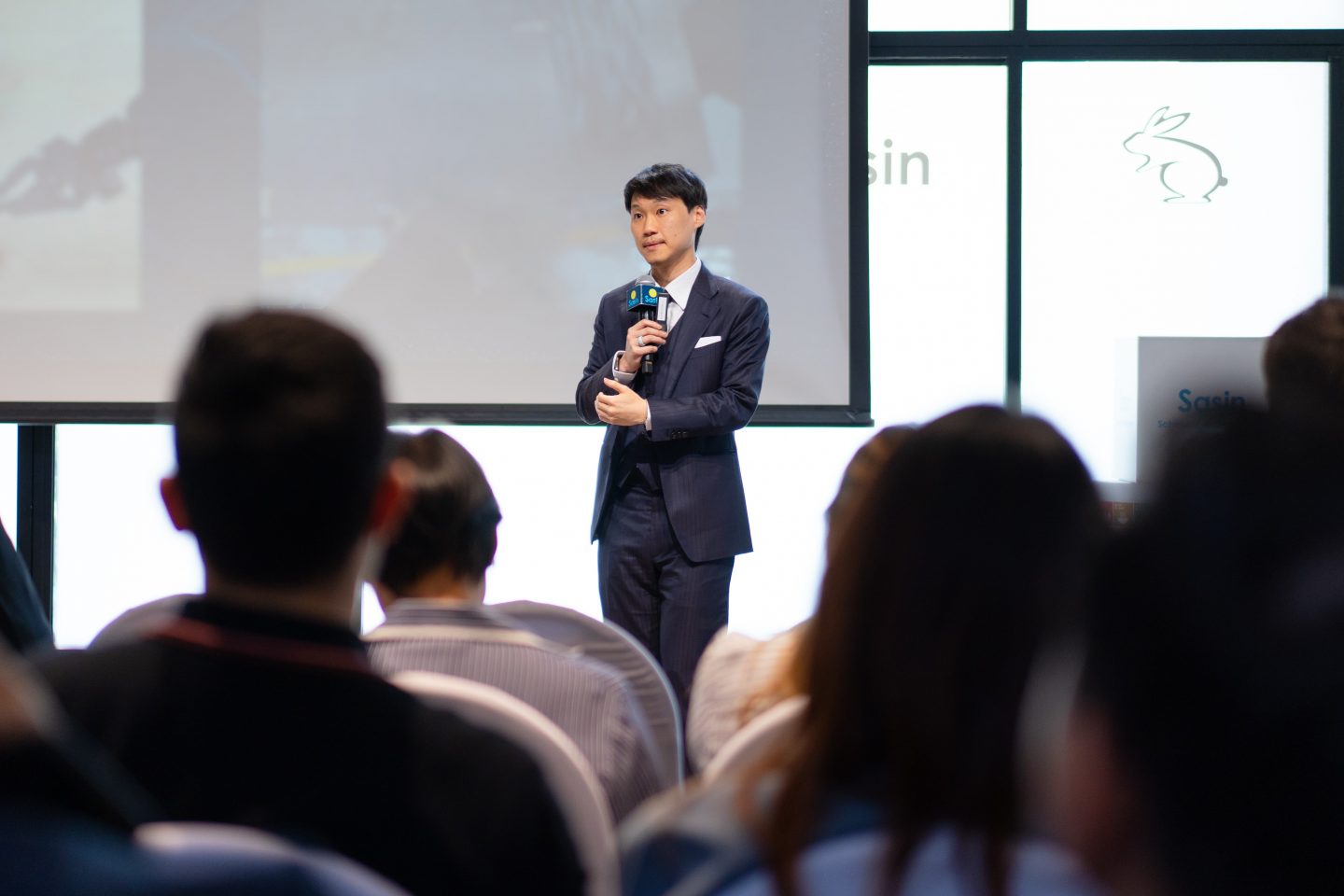
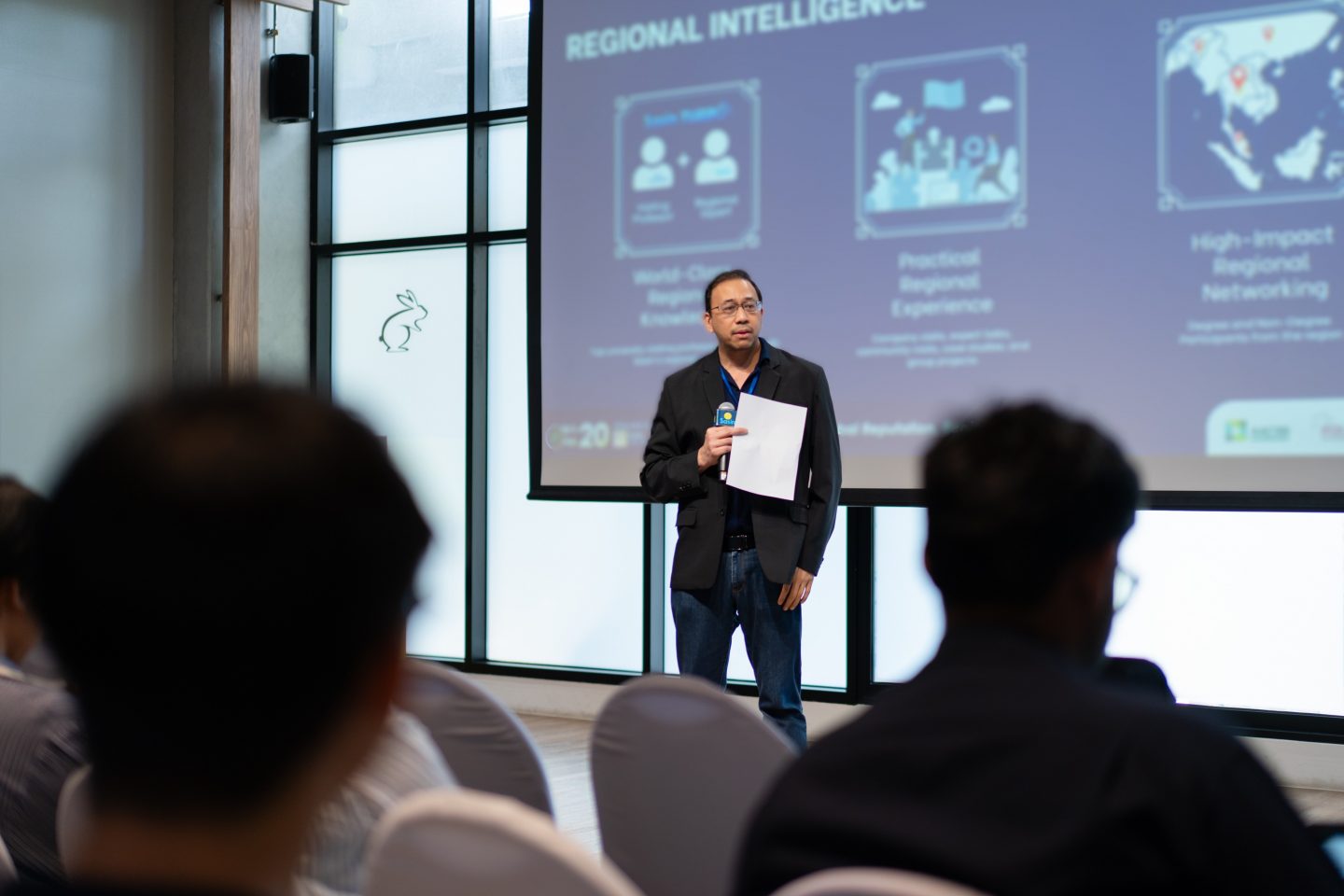
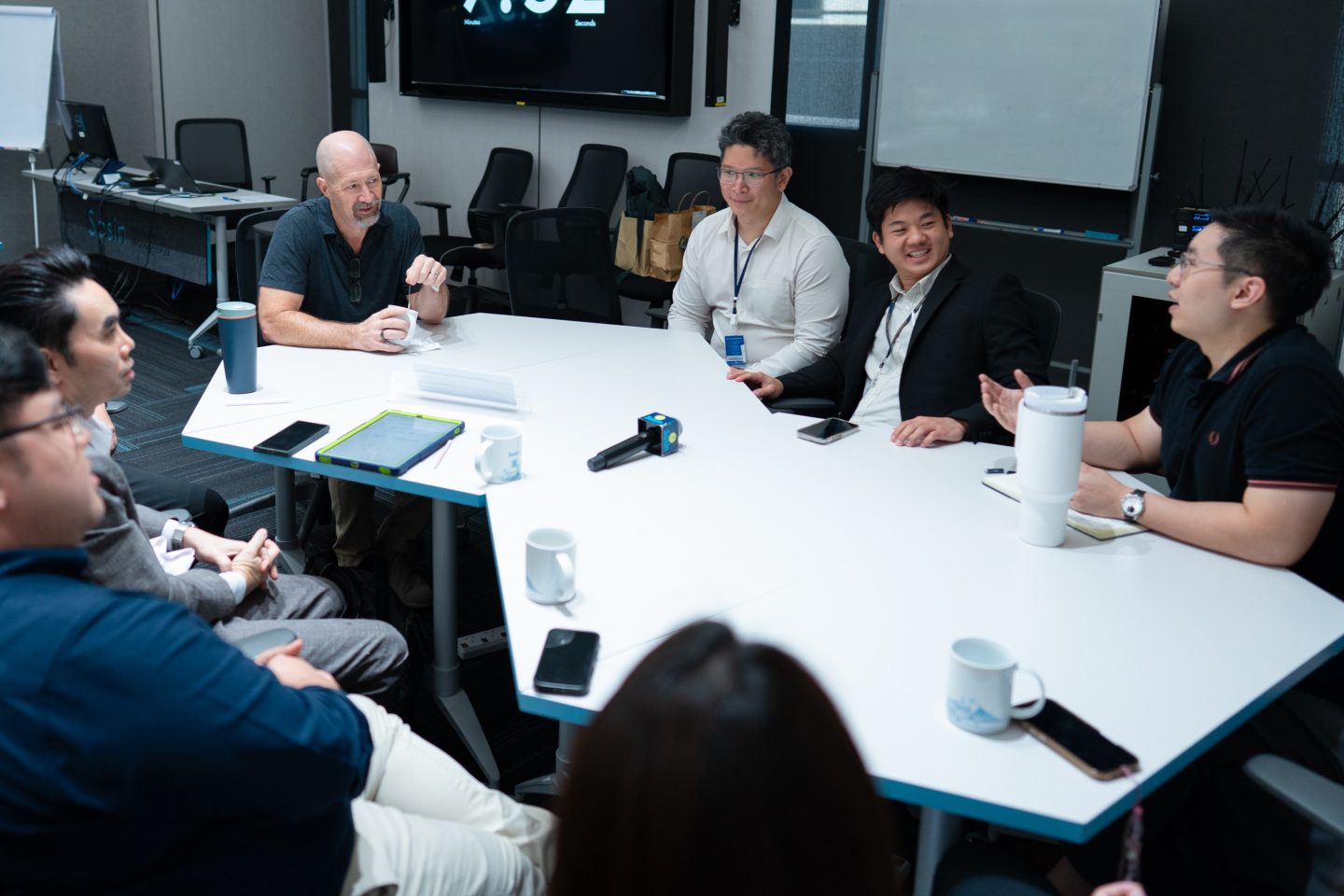
The world’s biggest companies are betting their futures on robotics and AI, and the numbers back it up. Morgan Stanley projects the humanoid robot market alone could reach $5 trillion by 2050. The scale of investment is already accelerating, with $1.2 trillion in U.S. manufacturing capacity investment announced in 2025 alone. These insights were shared at the Sasin Turbo Innovation Talk, a forum for exchanging views on innovation, growth, and leadership organized by the Sasin School of Management. Speaking on the topic “Industrial Robotics: How Human Video is Training the Next Generation of Physical AI,” Sahdev Phawa, Vice President of Partnerships at Vision Lab, a San Francisco-based company specializing in robotics and vision language models, highlighted that AI is rapidly moving out of the digital world and into the physical world, driven by vision language models advancing toward high-level understanding of images and video. Within the next two or three years, AI is going to integrate deeper into hardware and robotics increasingly. At Vision Lab, they are already working on deploying full-scale robots that can operate in real-world factories. Sahdev also noted that OpenAI acknowledged data scarcity as a constraint in developing GPT-4.5, signaling that frontier AI labs are hitting a data wall and that all text data for training models has been exhausted. “The biggest change we’re seeing in our industry is that AI is moving very quickly from doing things that are very good text-based, being able to answer your emails really well, being able to schedule appointments for you, to now being very good at doing video and images as well,” he said. Jirayut Srupsrisopa, Founder and Group CEO of Bitkub, Thailand’s largest cryptocurrency exchange and blockchain company, speaking on “AI and Blockchain: The Convergence of Computing and Economic Operating Systems,” stated that by next year, the context window of AI would surpass humans, bringing a future where everything that can be tokenized will be tokenized. Financial services will operate on decentralized systems and become accessible to a much broader population. The role of AI will shift from “tool” to “agent,” capable of making decisions and conducting transactions autonomously, with AI-generated transaction volumes expected to surpass human-initiated transactions in the near future. “AI is the computing operating system, whereas blockchain is the economic operating system of the future. Blockchain acts as a digital realm where AI agents can transfer value instantly in a permissionless, global, and frictionless manner,” said Jirayut. Meanwhile, Industry 4.0 technologies such as humanoid robots, 3D printing, and the Internet of Things (IoT) will operate as a unified ecosystem, with blockchain serving as the connective layer, reducing production costs and improving efficiency at a scale never seen before. Dr. Brett A. Saraniti, Clinical Professor of Managerial Economics and Decision Sciences at the Kellogg School of Management, explained Game Theory as a tool for strategic decision-making, using mathematical models to anticipate competitor behavior and identify the optimal course of action in complex situations. He also referenced Evolutionary Game Theory, illustrating how markets adopt new technologies from the initial user base development to the stage where platforms vie for influence and market leadership. When questioned about the future of education in the era of Artificial Intelligence, Dr. Brett emphasized that educational leaders are adopting AI but still respecting past traditions and ideas. “The leaders of top schools are trying to find ways to integrate the technology into the curriculum and find use cases in every class. Not just teaching an AI class, but using AI to write statistics code or using AI to help operations supply chain models work better,” he said. As AI and robotics reshape industries, how can people prepare themselves for the advent of AI and robotics that will displace their jobs? Sahdev advised upskilling, staying aware of how changes affect one’s role, understanding regulations, and ensuring those regulations represent personal interests. “Regardless of what company you are applying to, since this is the next platform shift, to keep your income, you have to be able to navigate AI,” added Jirayut. Above all, Dr. Brett offered a simpler reminder: “Enjoy your life!”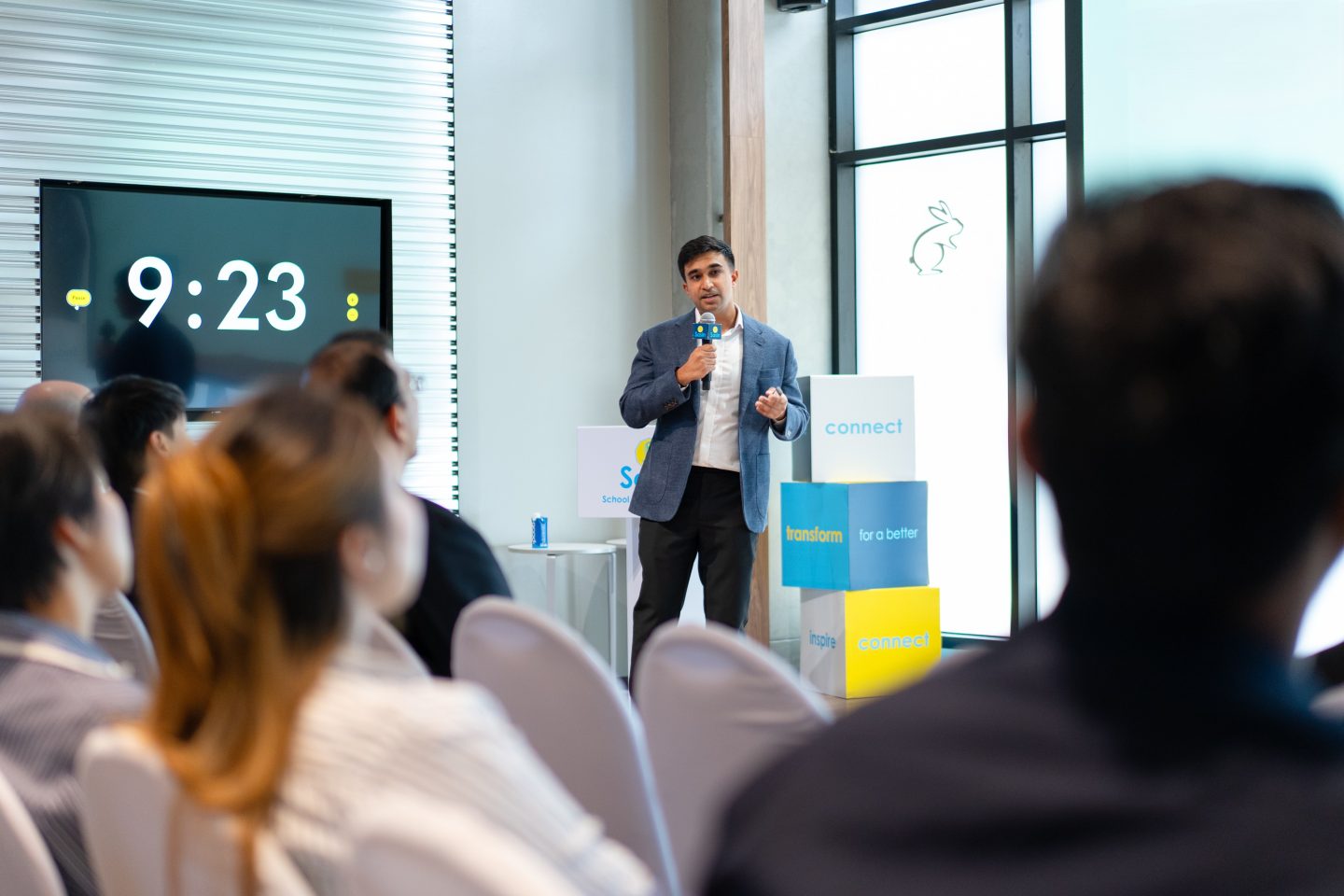


Share this article