Sasin Hosted the Global Inclusion Forum 2026: Navigating Paradoxes, Cultural Nuances, and New Realities
28 August 2026
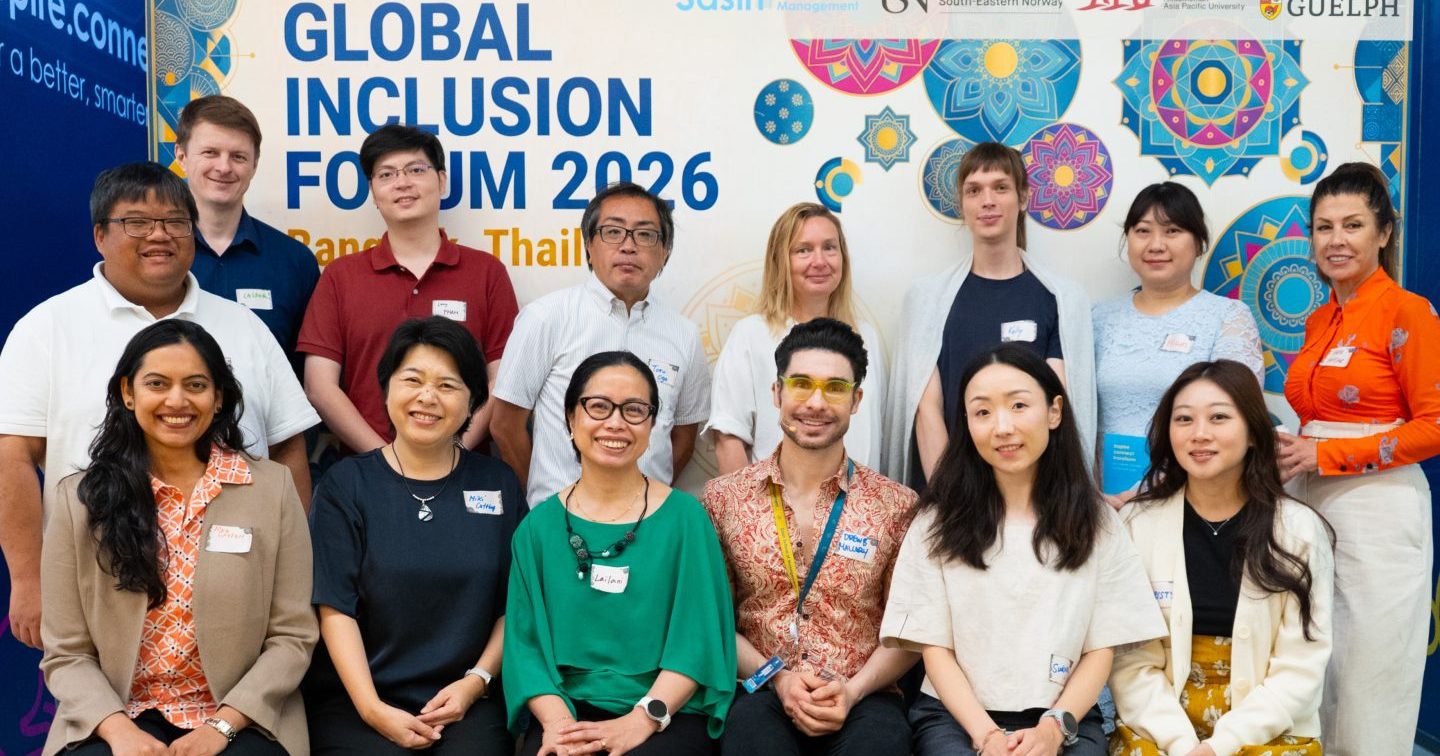
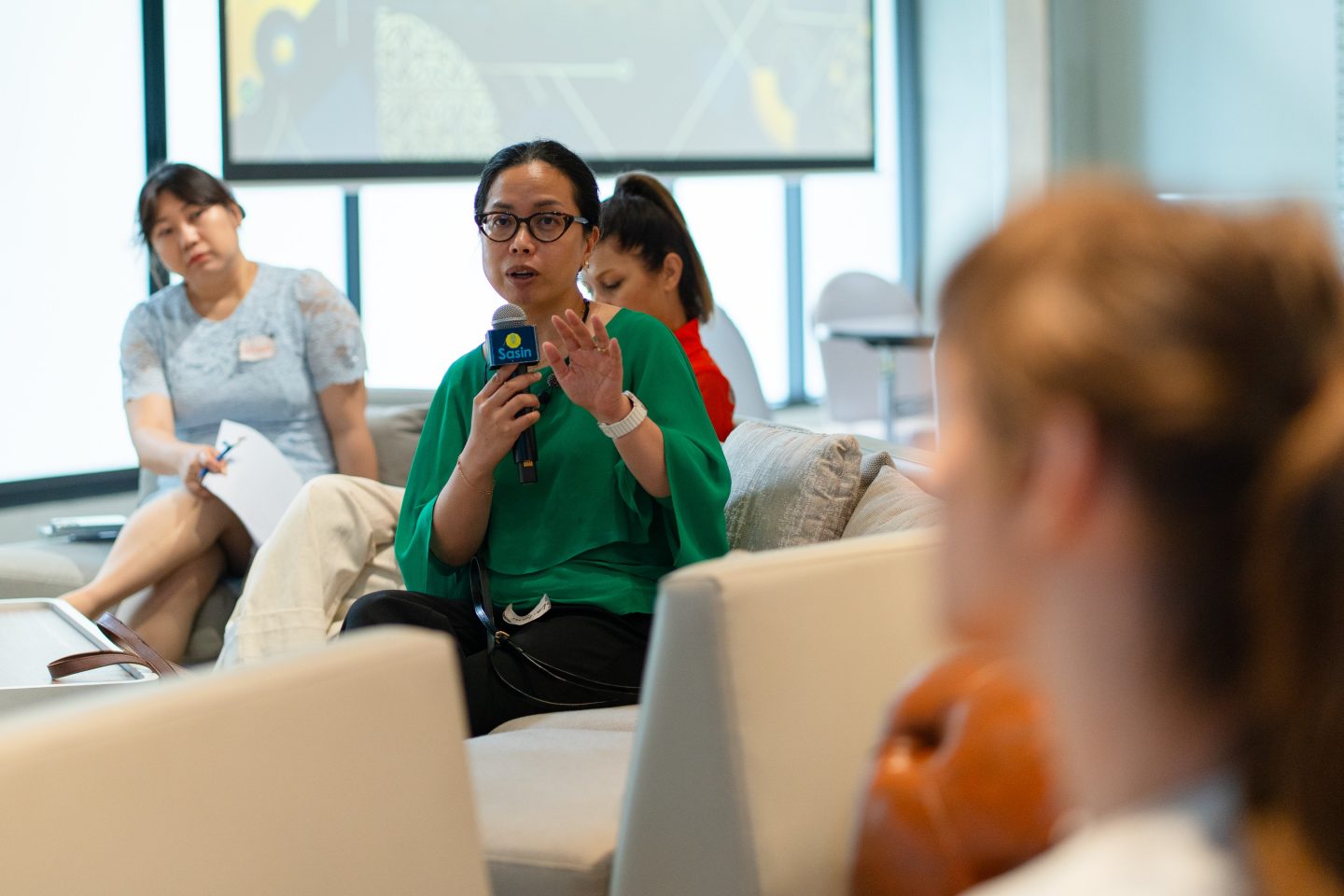
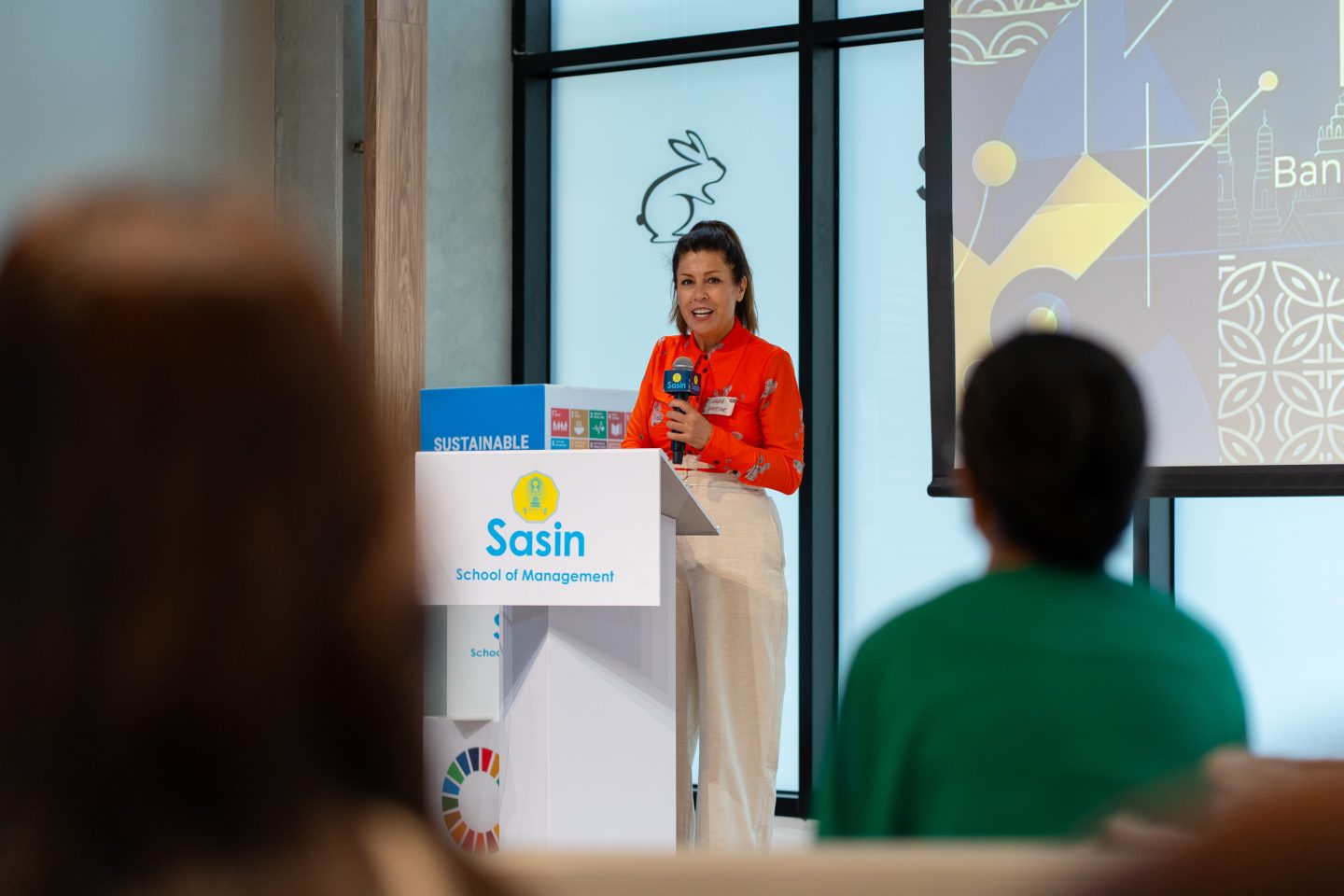
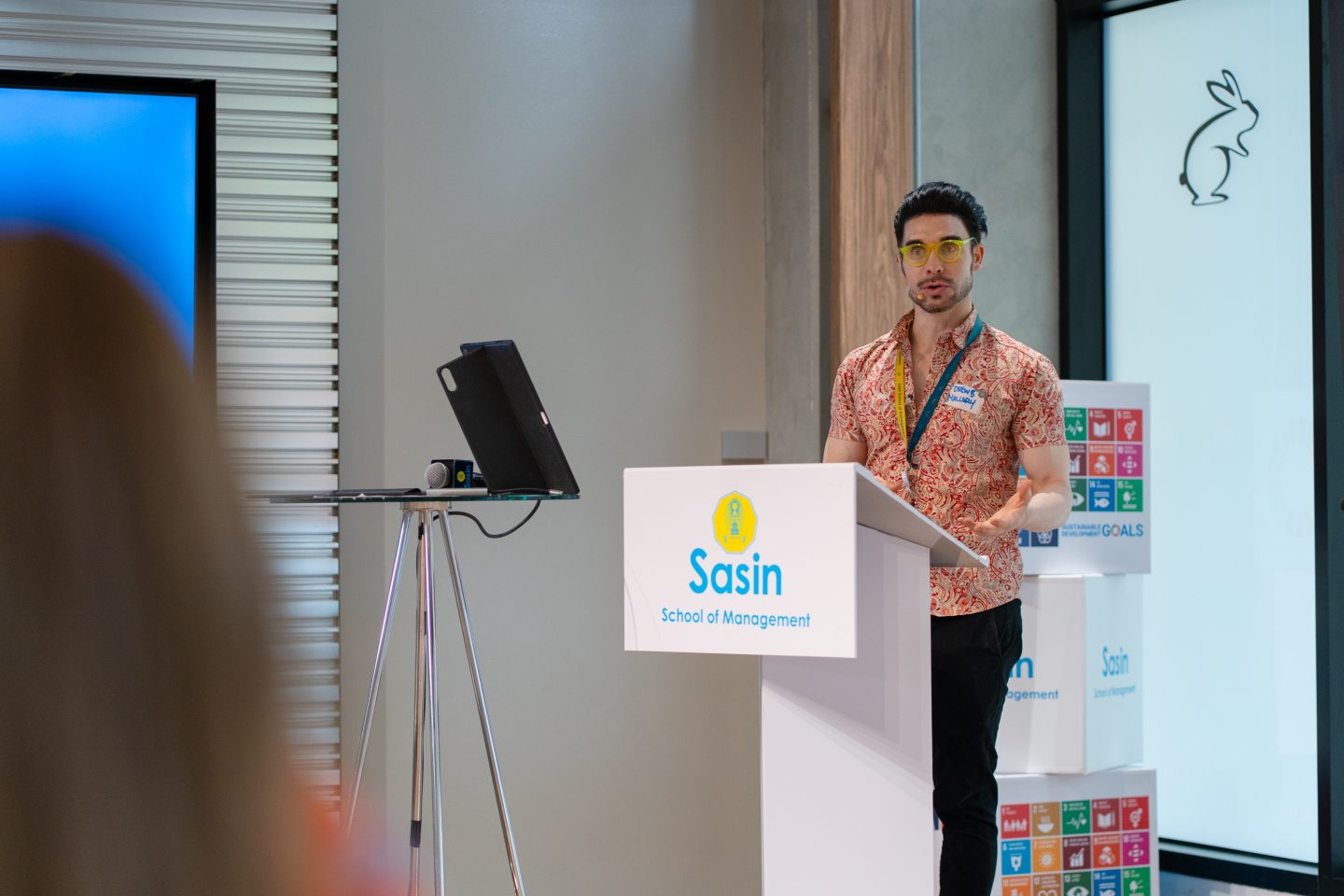
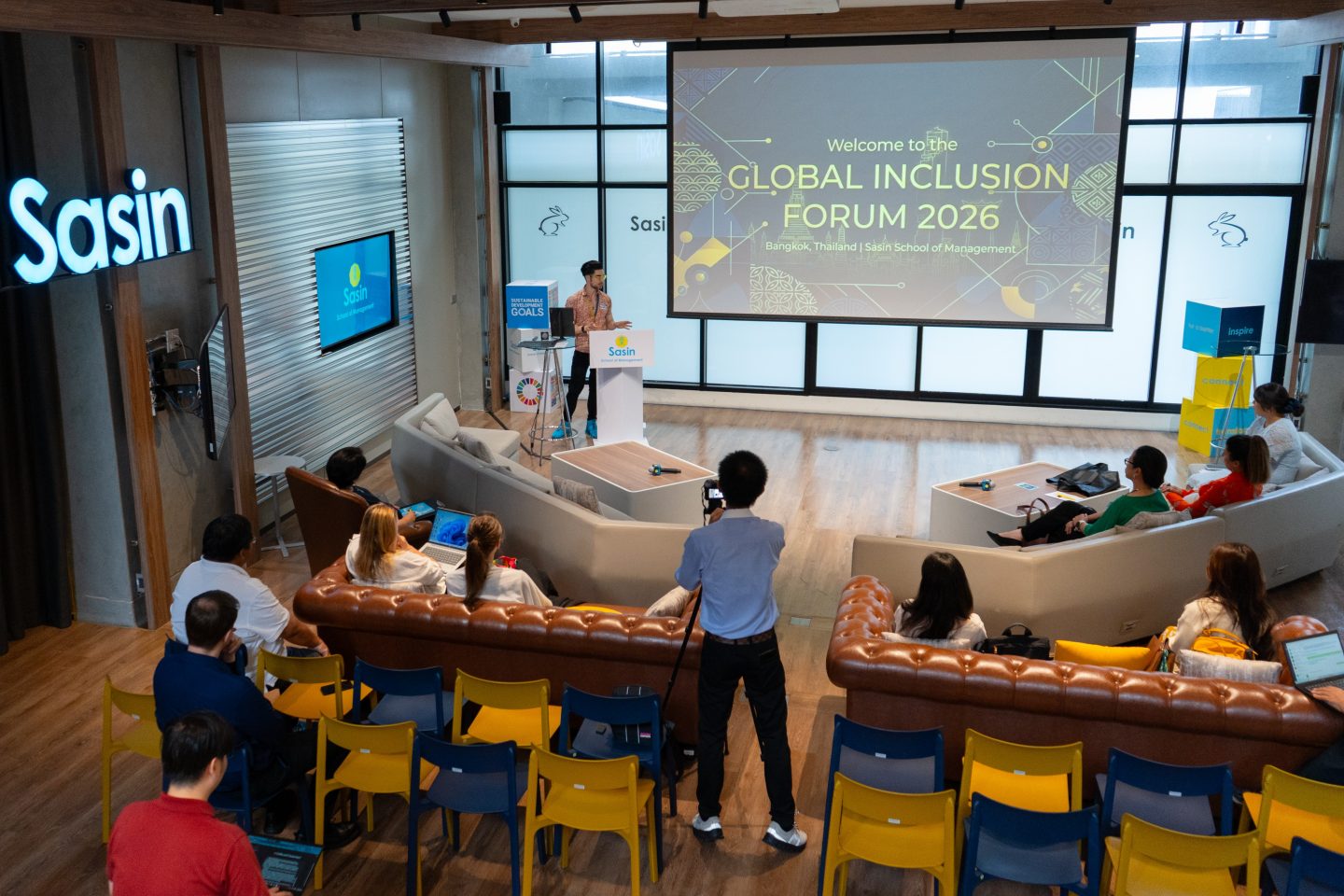
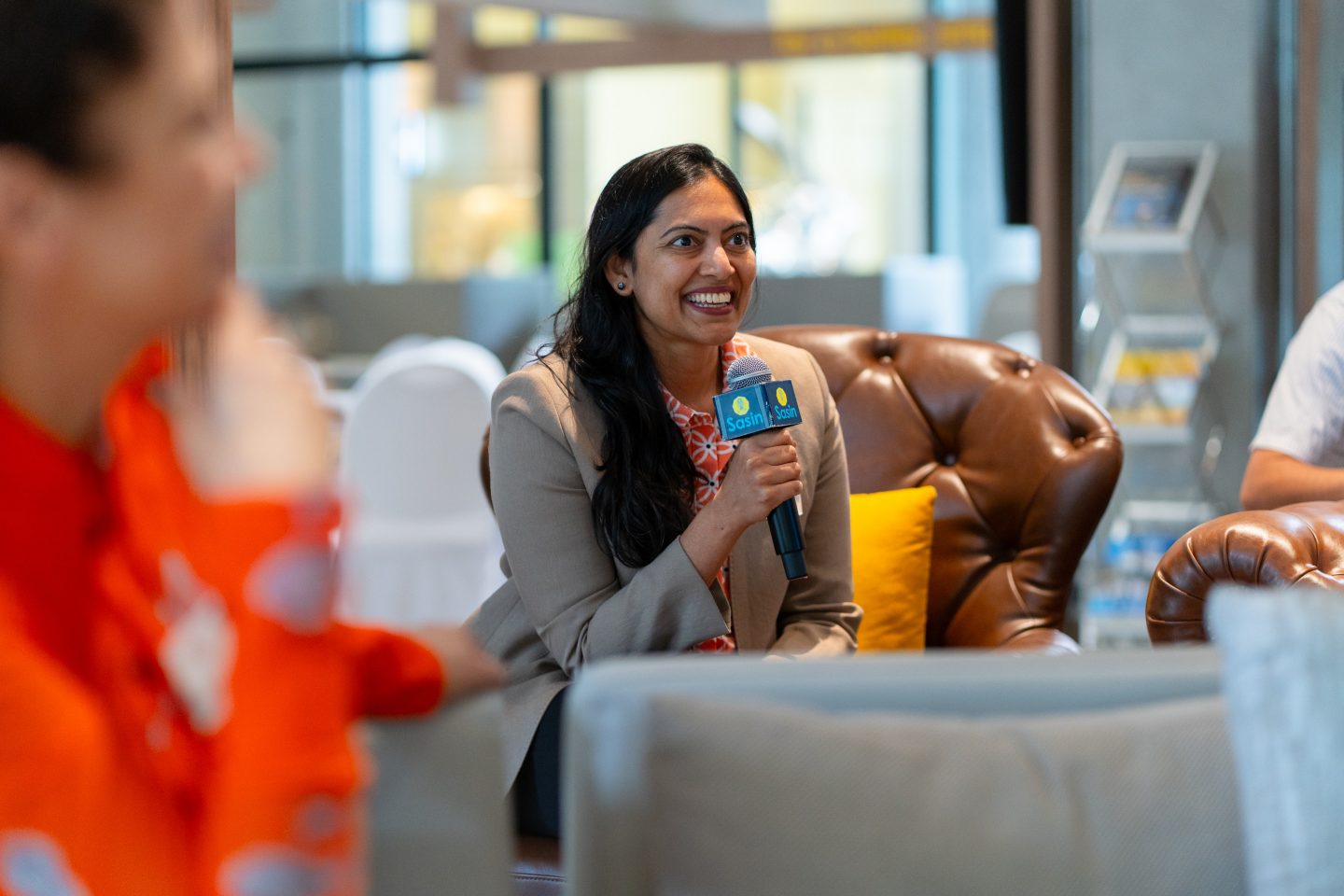
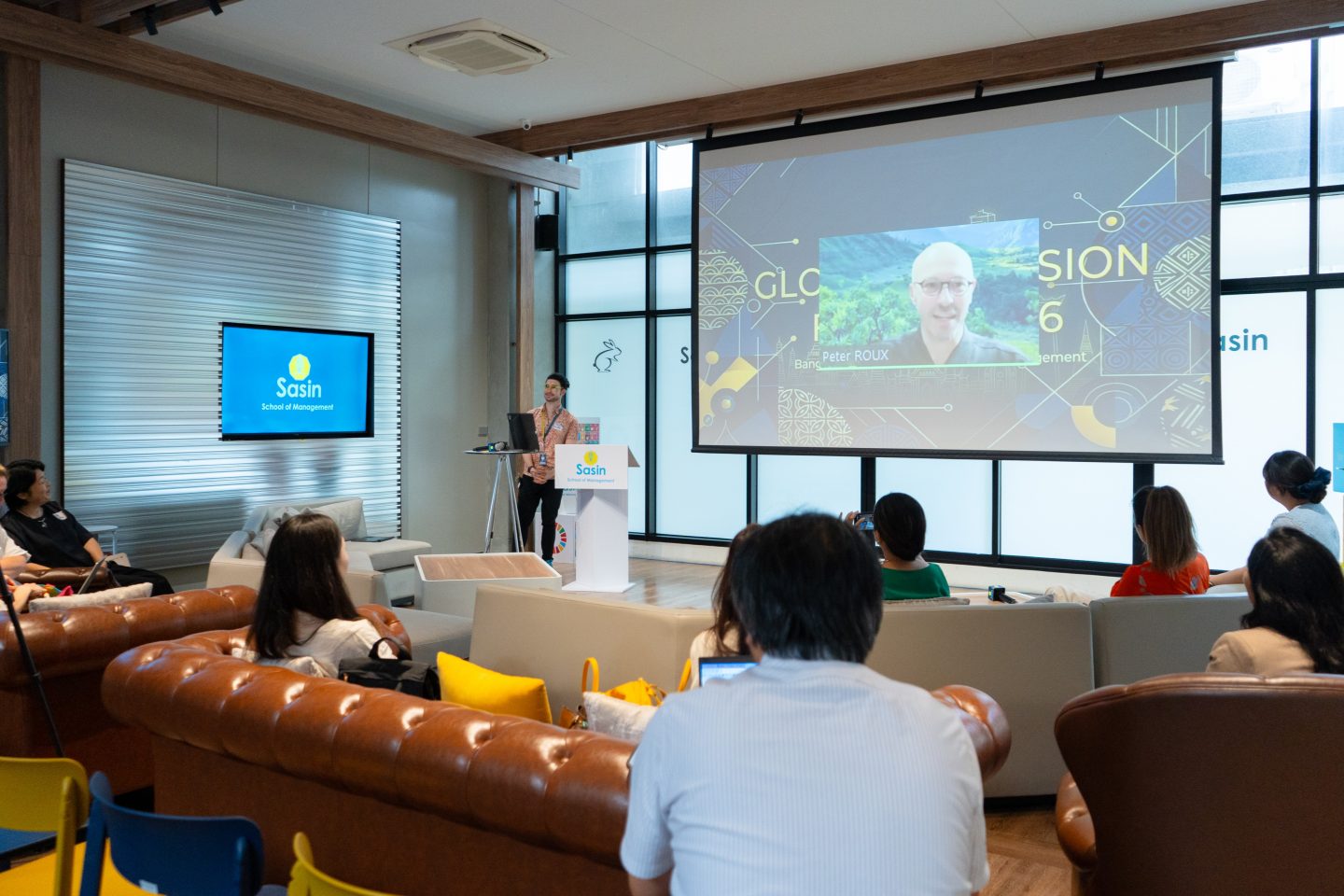
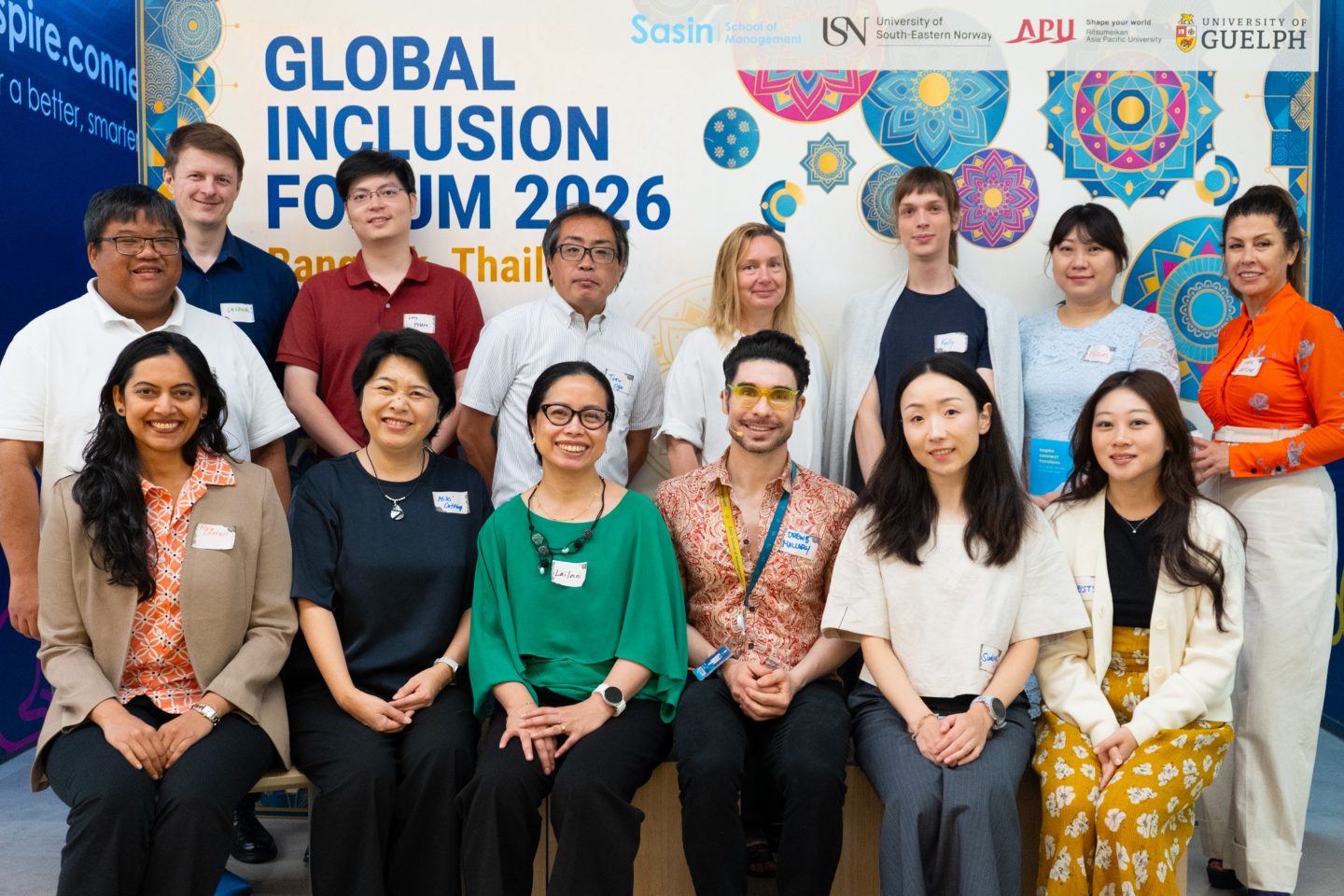
Sasin, in partnership with an international coalition of universities including the University of South-Eastern Norway (USN), Ritsumeikan Asia Pacific University (APU), and the University of Guelph, hosted the inaugural Global Inclusion Forum 2026, bringing together researchers, executives, policymakers, and community advocates from more than 15 countries in Thailand. Led by Associate Professor Dr. Drew B. Mallory, Sasin Associate Professor of Organizational Behavior and Management, Inclusion Ambassador, and Director of Research at the Neurodiversity at Work Research Centre, the forum aimed to establish a practical, balanced approach to organizational equity, inclusive of practices and conversations in the Global South and beyond. The Forum was also co-organized by the co-editors of the Handbook, including Drs. Lailani Alcantara, Saba Safdar, and David Guttormsen.
“The goal of the Handbook and the goal of this event were to connect people — to make sure that people with similar interests, who want to share their own stories, who want to work outside of the American model of inclusion, could find models of inclusion that match their own realities,” said Dr. Drew at the Global Inclusion Forum 2026, held at Sasin.
Together, participants synthesized key takeaways and outlined an action plan that will be finalized later in the Global Inclusion Handbook, a practical, balanced guide to organizational equity that offers a new lens on how inclusion can work across businesses, governments, and educational institutions worldwide.
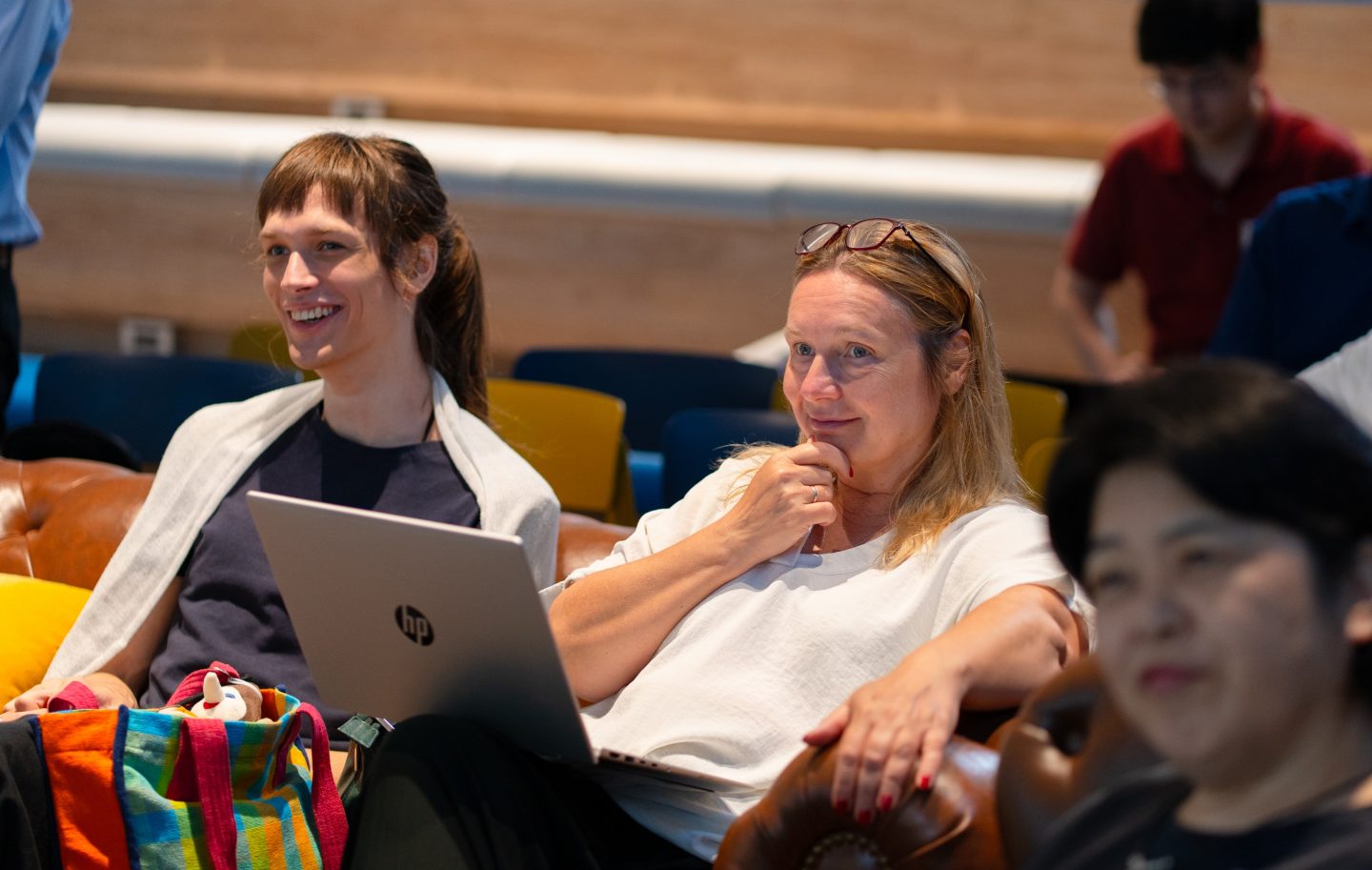
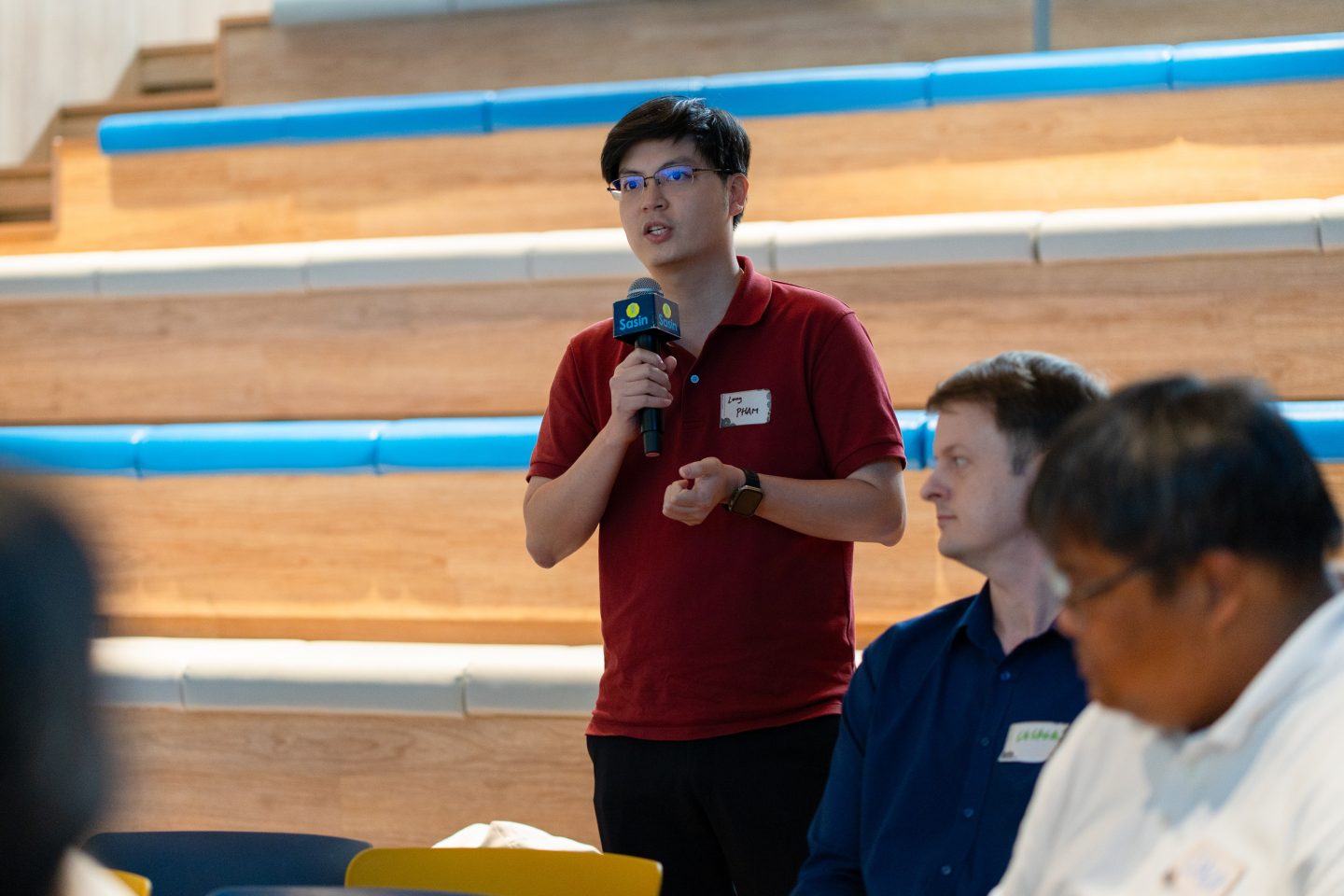
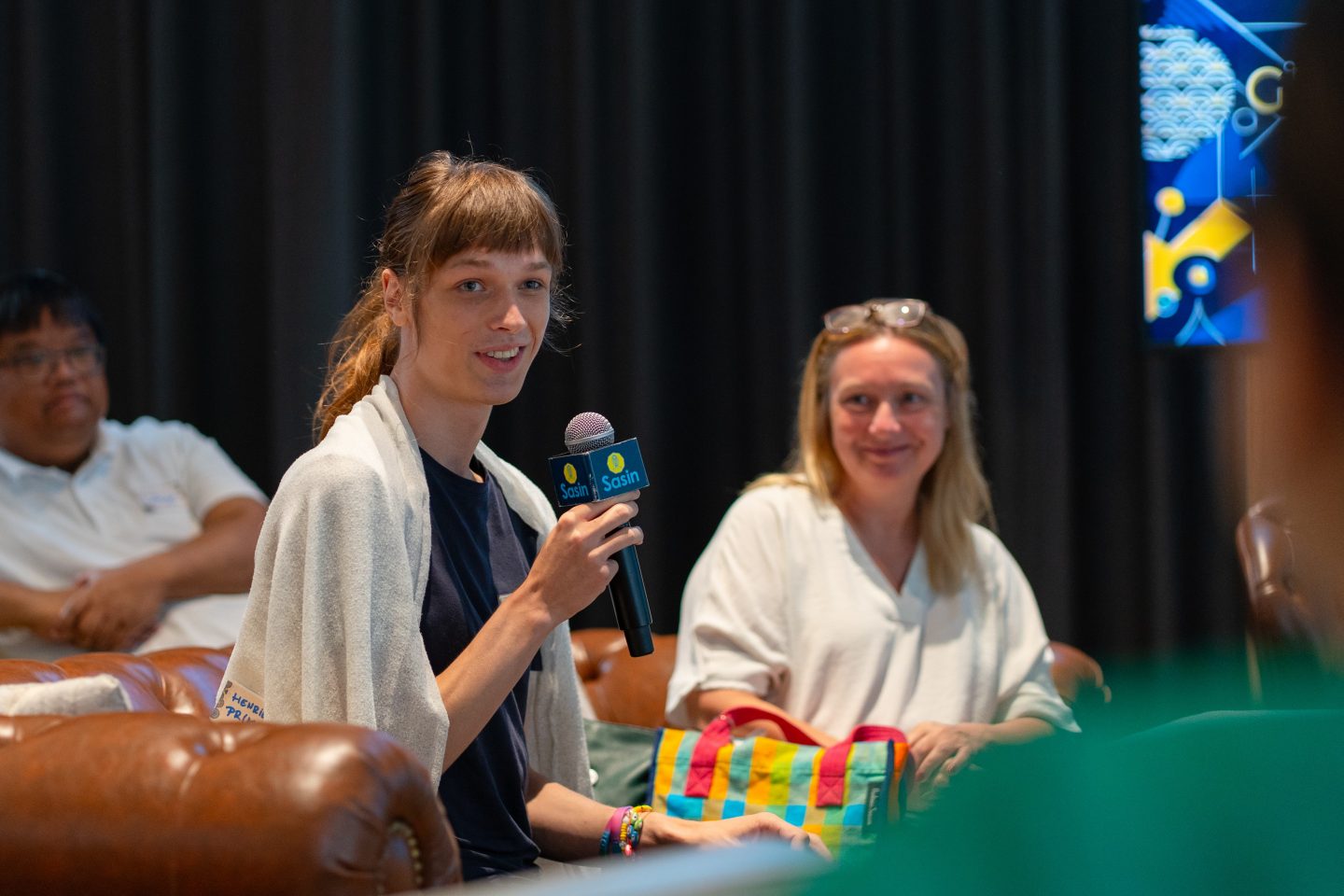
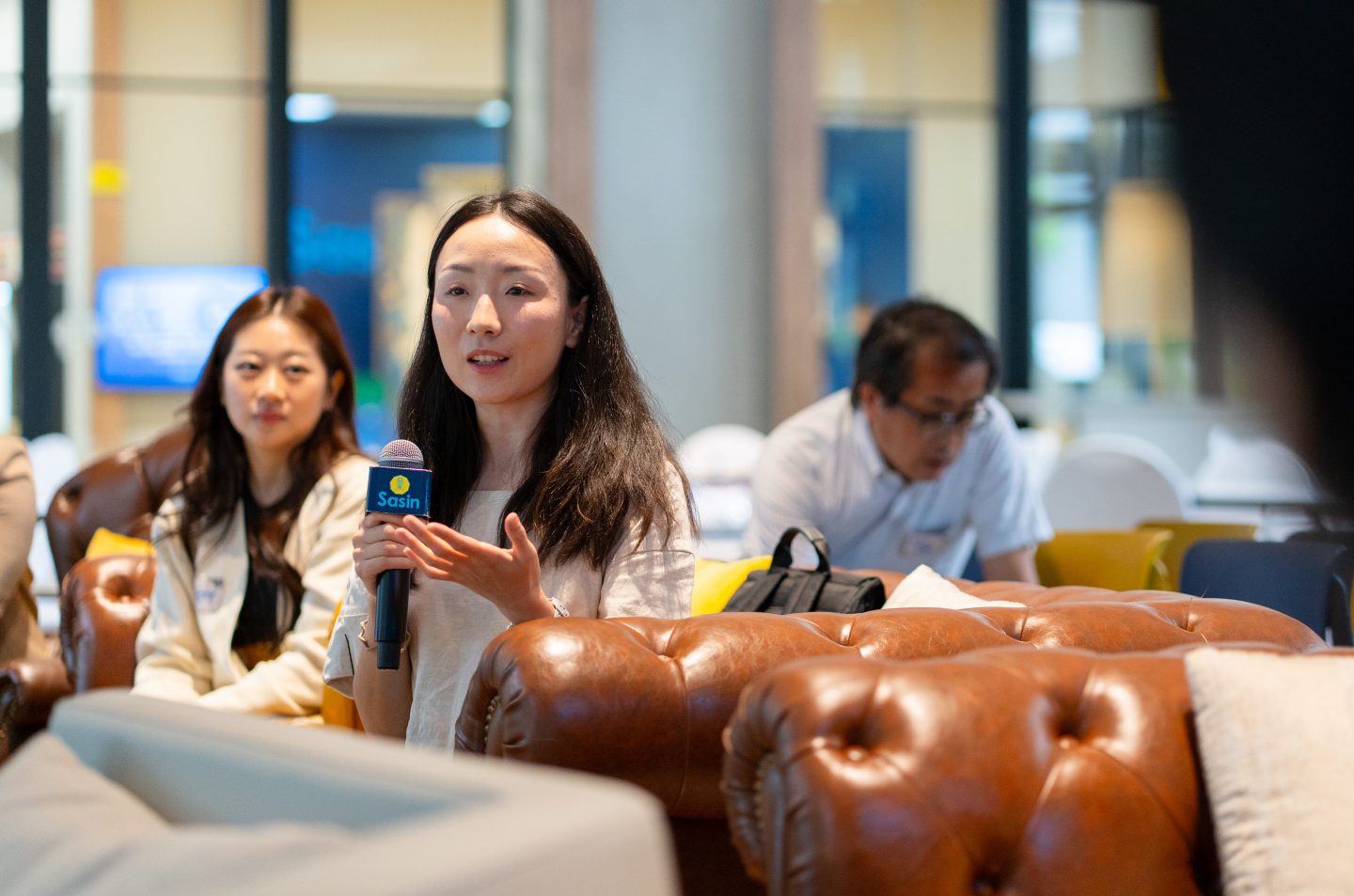
Breaking away from the traditional forum format, the Global Inclusion Forum was built around highly interactive, participant-driven sessions designed to generate practical research and build concrete pathways for policymakers, with key workshop themes addressing critical, real-world issues that went beyond the goals of the Handbook itself and drew stakeholders from many sectors and areas of expertise.
“It was lovely to be in a room where inclusion was represented in so many diverse ways, truly reflecting how inclusion shows up in the everyday: through our cultures, identities, experiences, workplaces, classrooms and communities,” said Adam Neale, Inclusion Specialist & Neuroinclusion Teaching Fellow at Nord Anglia Education. “What sits with me most is the reminder that inclusion is not just one conversation, or one perspective. It is a collective commitment to creating spaces where people can participate, contribute and belong.”
One of the many workshops at the forum, “Beyond Diversity: Mapping and Mitigating Intergroup Bias in Multicultural Learning Environments” (presented by Dr. Pajaree Ackaradejruangsri, Santiago Ruiz-Navas, and Lailani Alcantara), challenged teams to build the tallest tower they could out of raw pasta, strings, and marshmallows. But the exercise wasn’t really about winning — it was designed to reveal how intergroup bias plays out in real time. Partway through, facilitators moved one team member into a rival team that had already settled into its own rhythm and hierarchy, then watched how the group treated the newcomer, and how the newcomer responded in turn. Why? To show real-time how easy it is to ward off or welcome newcomers, and test the consequences.
Another workshop, “Universal Design for Belonging: What Neurodivergent School Experience Teaches Us About Organizational Inclusion,” presented by Adam Neale, had participants redesign the relational, structural, and environmental aspects of their organizations to better support neurodivergent learners and cultivate a stronger sense of belonging using the same techniques Adam uses in his work with children.
In another session, Nikki Phinyaphincha, Founder of TransTalents Consulting Group, which advocates for professional and economic inclusion of transgender people in Thailand, created an immersive gallery walk where participants stepped into the shoes of Thai transgender lives, exploring a curated exhibition of real artifacts and engaging in facilitated discussions on turning insight into actionable advocacy for unfamiliar groups. “You’re lucky to see something even most Thais haven’t seen,” Nikki told participants. From the deep discussion and idea exchanges, the Forum was in agreement.
In the session, “Building a Post-DEI Inclusive Lexicon: Cross-Cultural Epistemologies and Practical Frameworks, presented by Dr. Drew and Dr. Irina Dovbischuk from Mount Royal University, participants engage in an experimental activity to collaboratively create a comprehensive lexicon of inclusive terminology using grassroots, experimental, and participatory methods
“I came away with a deeper understanding of what inclusion and belonging work looks like in practice, both in Thailand and internationally,” said Nutyathun Wora, Erasmus Mundus Funded Social Psychology Student. “One thing that stood out to me was how cultural nuances, such as kreng jai, can shape how people navigate power, voice concerns, and experience inclusion in the workplace. Hearing about these realities made the challenges feel much more tangible and grounded in people’s lived experiences.”
At the closing of the forum, the organizing committee joined a final session where they synthesized key takeaways and outlined the global inclusion action plan, which will be included in the Global Inclusion Handbook to be finalized later in 2027 in partnership with Edward Elgar Publishing. “As scientist practitioners, it’s important that when we research, we practice. When we present, we practice. The time of conferencing, teaching, and researching as usual is over. It’s our responsibility to make these concepts real for everyone from the start to the heart,” said Dr. Drew.
Share this article