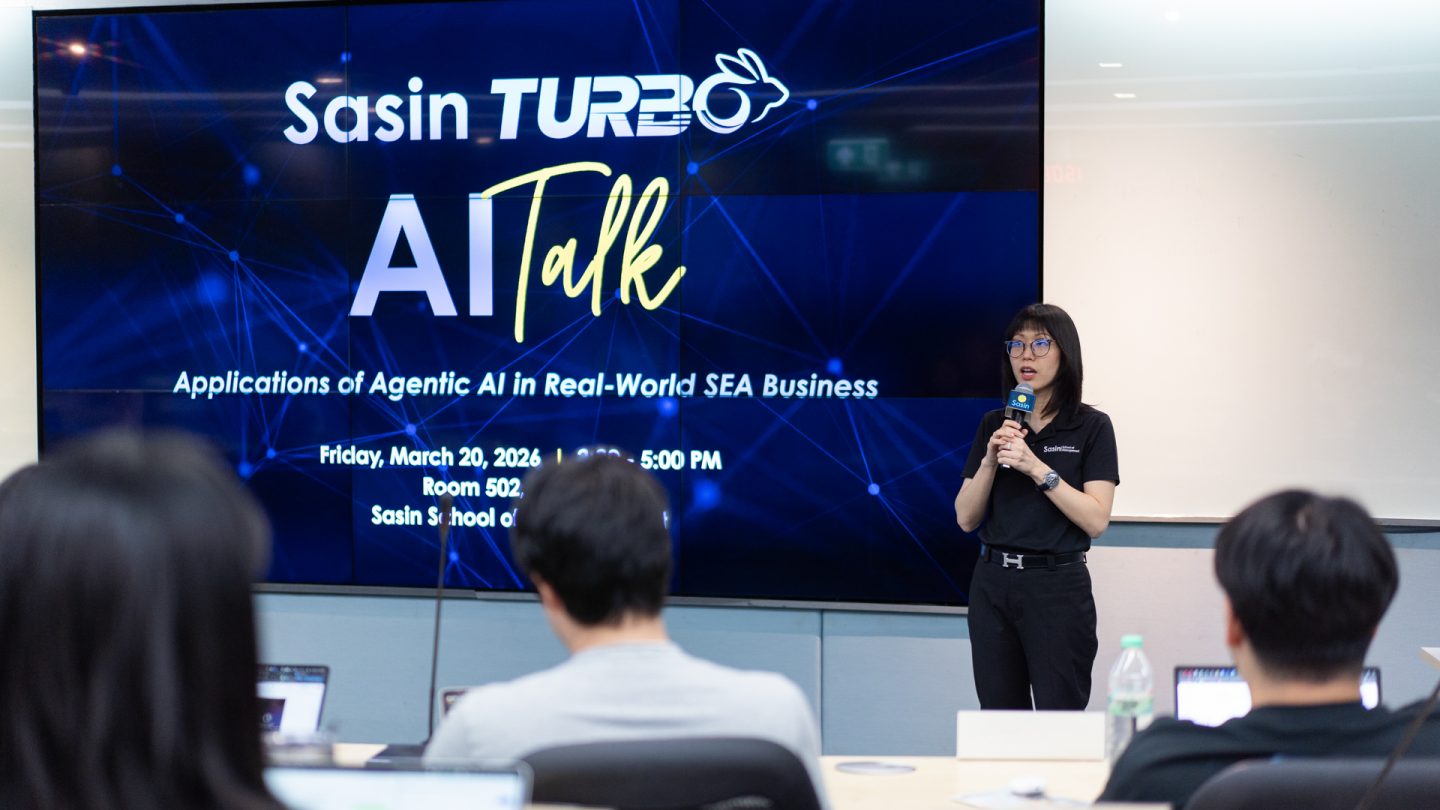
Sasin Turbo AI Talk: How Agentic AI is Reshaping Business
12 May 2026
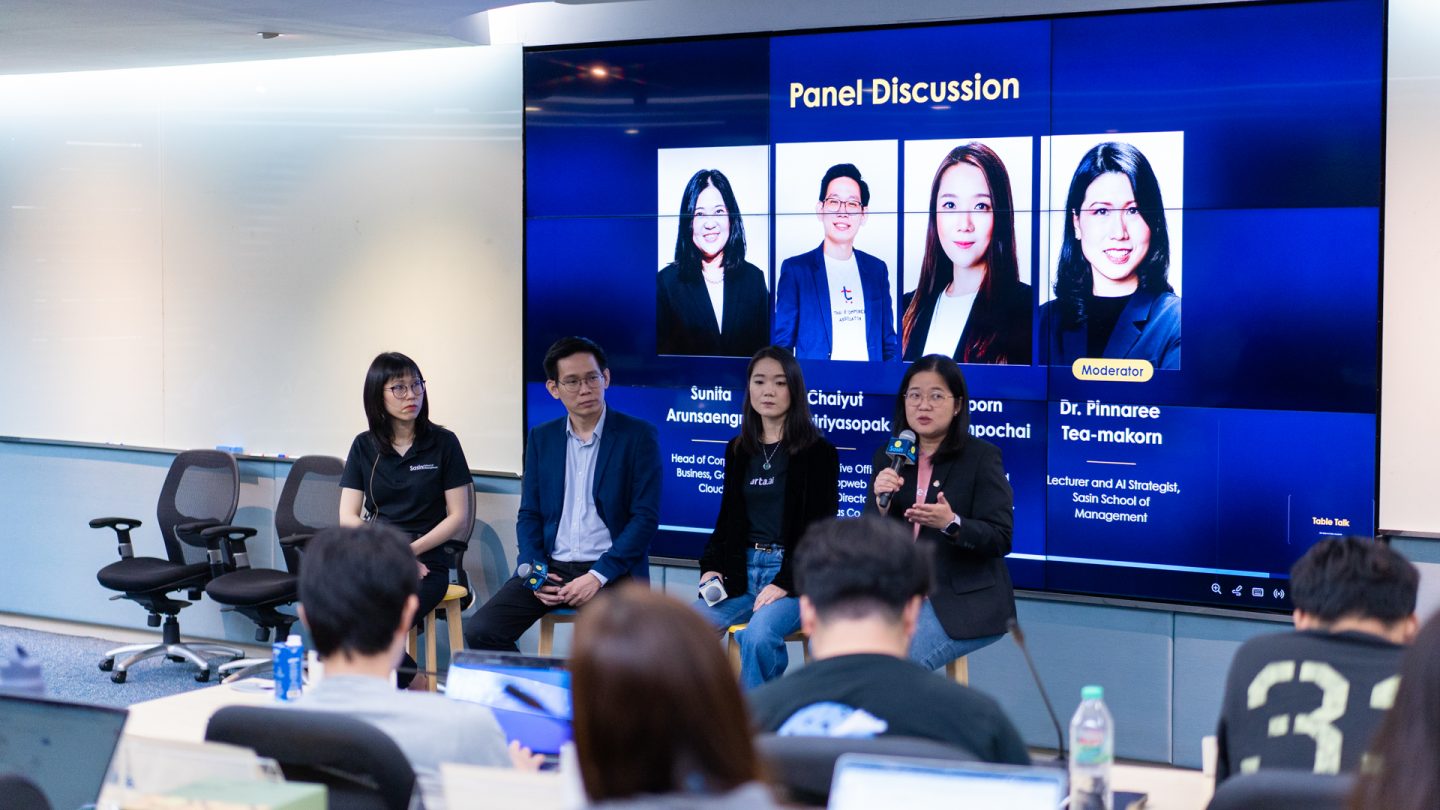
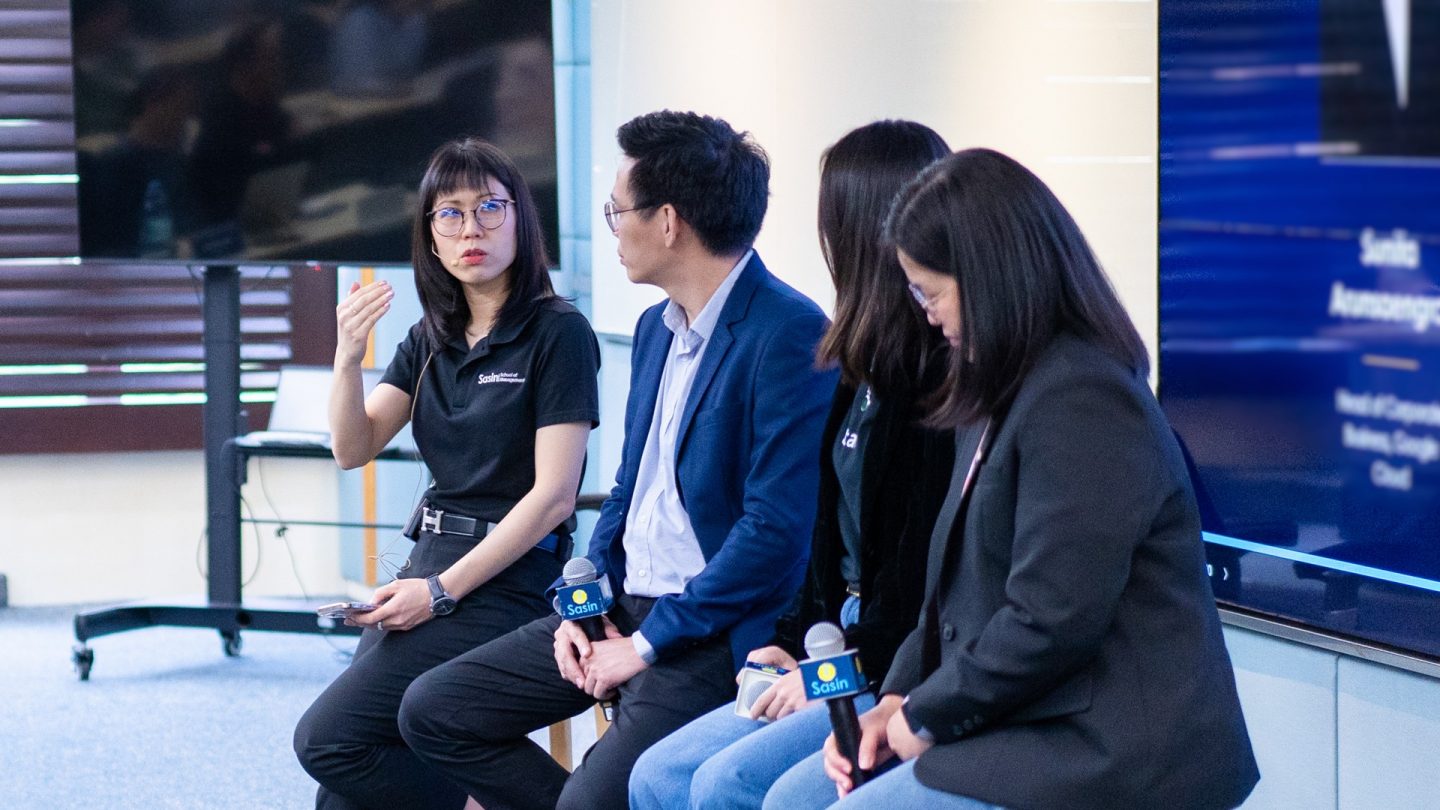
At the Sasin Turbo AI Talk, AI experts from Google Cloud, Ketshopweb, and Arta Finance discussed how AI is rapidly evolving from a productivity tool into an autonomous business assistant. The conversation centered on a major shift as AI is moving beyond chatbots into Agentic AI systems that can plan, reason, and execute tasks independently.
Here are three key insights to ponder:
First, AI is turning into Multimodal Agentic AI.
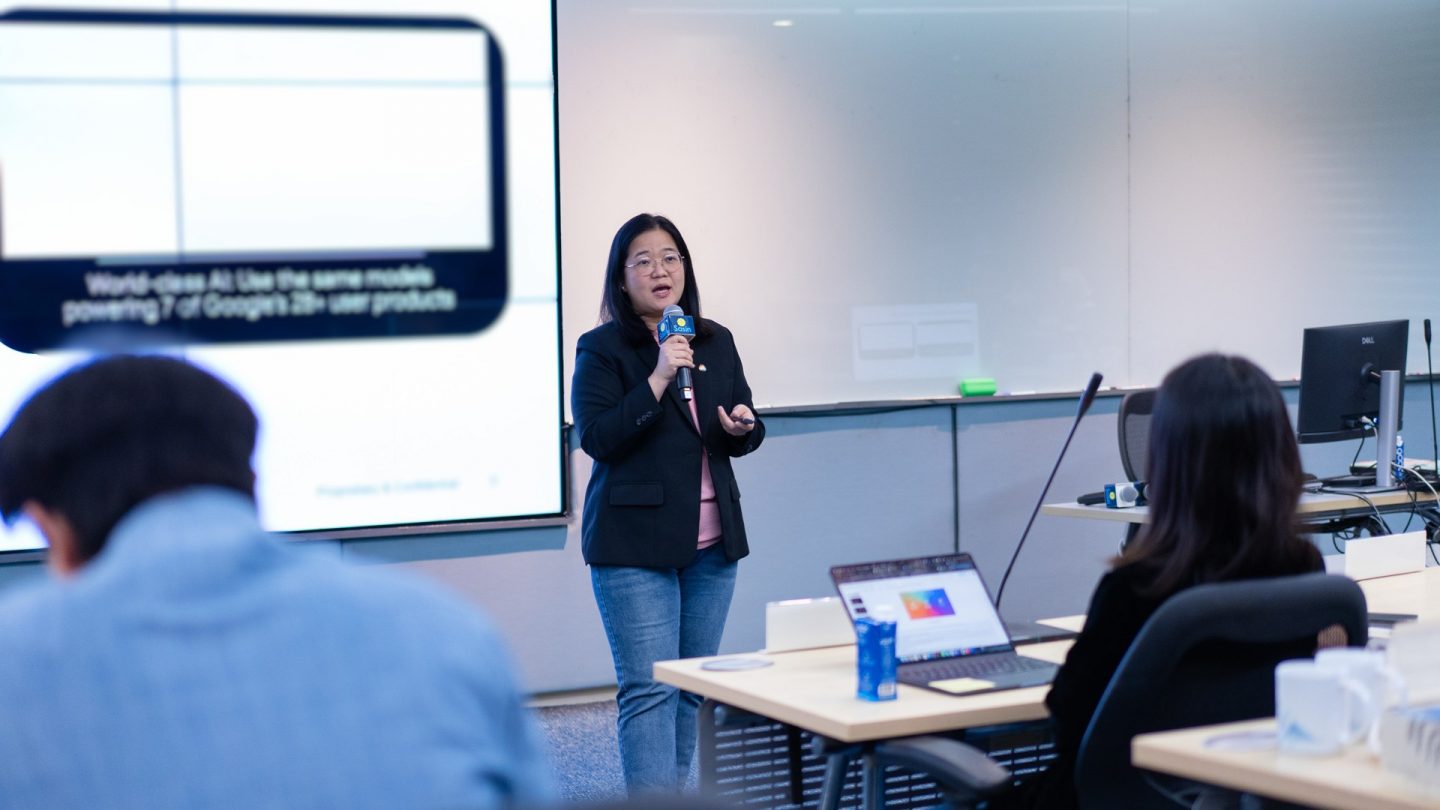
Sunita Arunsaengroj, Head of Corporate Business, Google Cloud, described how Multimodal AI can process voice, text, video, and photos simultaneously. But the next leap is even bigger: Multimodal AI Agents capable of taking action autonomously.
She compared it to “cloning ourselves” to perform tasks faster and more effectively than humans alone. The evolution was illustrated through a pizza analogy: Gemini 1.0 could recognize a pepperoni pizza, Gemini 2.0 could predict where it would sell best, “Since this is New York-style, it’ll sell better near a university campus”, and Gemini 3.0 can now design recipes, generate marketing copy, and launch campaigns across platforms.
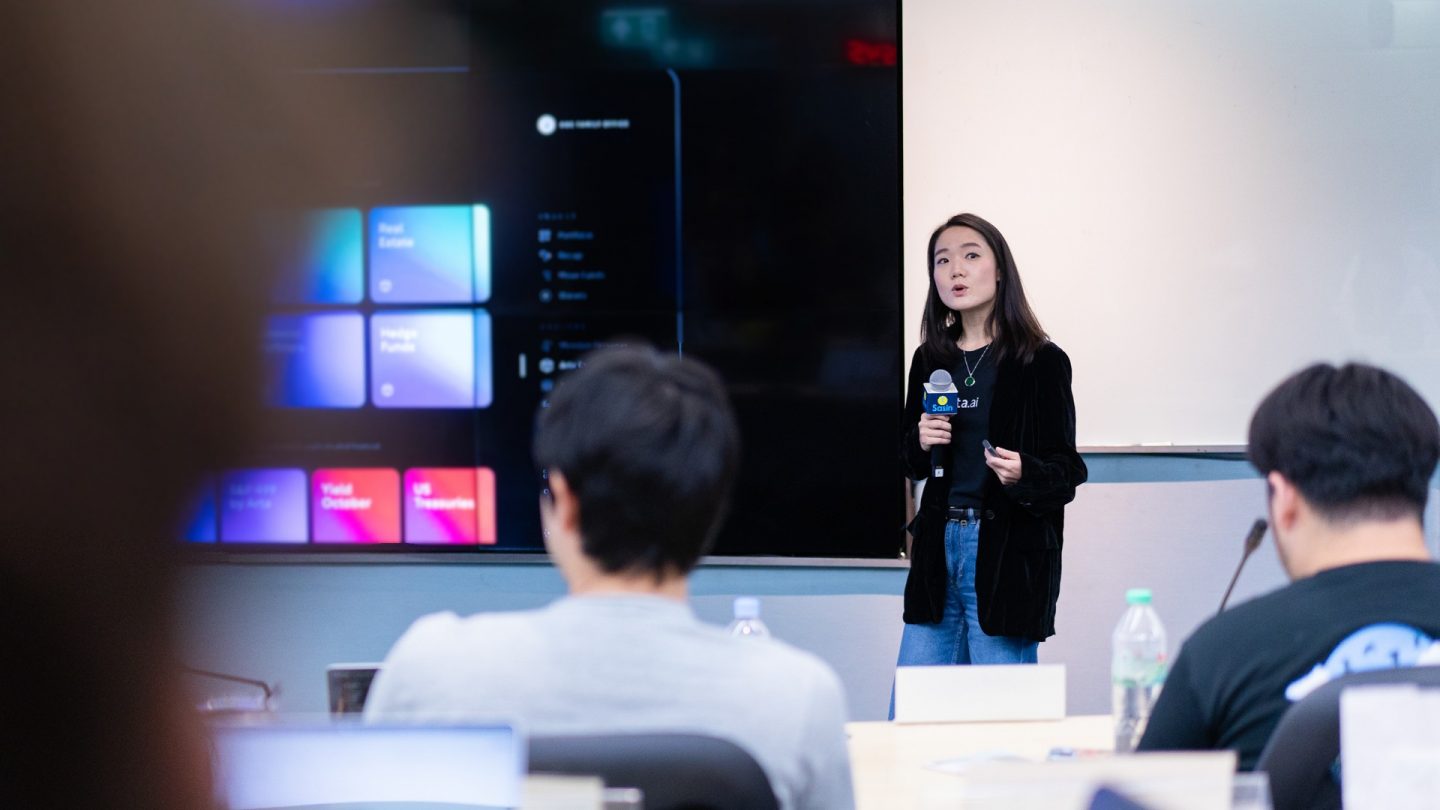
Thitaporn Sakulrompochai, Product Lead and Global Head of Investment Advisory, Arta Finance, described the shift in how agents now operate: “We started to use all these different agents for different tasks — you get this input, spit out a very specific output — but now you are asking agents to plan and execute, and see if they need to distribute the task to another agent.”
In finance, this shift is already taking shape through platforms like Arta Finance, where clients can create sophisticated investment strategies using customized portfolio tools and insights once only reserved for private banks and hedge funds.
Second, AI is shifting from prediction to execution.
Speakers described AI’s evolution into Agentic AI, now capable of planning and acting.
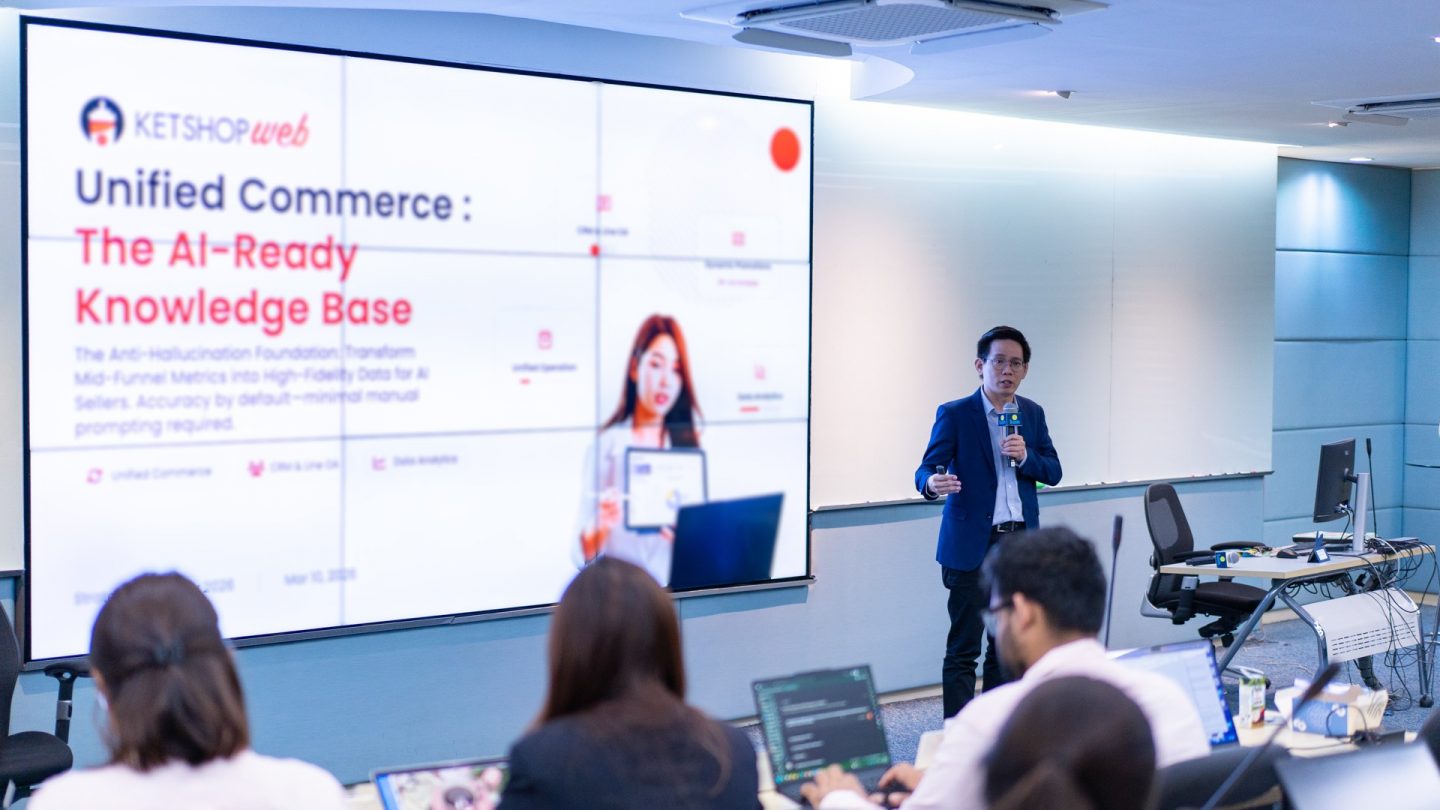
For e-commerce, Chaiyut Janviriyasopak, Chief Executive Officer (CEO) of Ketshopweb and Managing Director of Tomato Ideas, explained that AI helps sellers manage campaigns, analyze customer behavior within minutes, and make faster management decisions based on customer data.
“For the e-commerce field, AI will help create direction and make decisions for management from customer data, make it easier for sellers to create campaigns, and decipher how to diversify the risk in each angle of the customer, or the returns of repurchasing something,” he said.
In finance, Thitaporn said AI is freeing bankers and analysts from repetitive manual work so they can focus on higher-value strategic decisions.
“There are a lot of legacy technologies that have been in place for a long time, and so I think a lot of these manual tasks that take hours to get done by analysts, by bankers, could basically be done by AI,” said Thitaporn, “Especially with Agentic AI, it could actually help us plan and can help us execute. So, that could really just help us, with not just translating investment memos, but also think about portfolio construction, also talk to clients, and gather information from clients.”
Third, although Agentic AI is autonomous, it still requires human judgment and decision-making.
Across industries, speakers emphasized that AI still requires human oversight. Agentic AI may be capable of generating campaign or investment strategies, but humans remain responsible for validation and final decision-making.
Thitaporn noted that organizations need both engineers and domain experts who deeply understand industries like finance or healthcare to continuously test and correct AI behavior.
Sunita argued that when it comes to defining the mandatory skills needed in the digital era, it is no longer about coding ability, but strategic and critical thinking skills like being able to ask the right questions: “In the past, we were questioning how people could do the coding or how people could just write some kind of script. But now we will change it into how people could start using technology to serve their business by asking the right questions to AI.”
“AI cannot replace humans — we still need to make decisions. How can we select the right alternative, especially now that we have alternatives everywhere?” she said.

Share this article