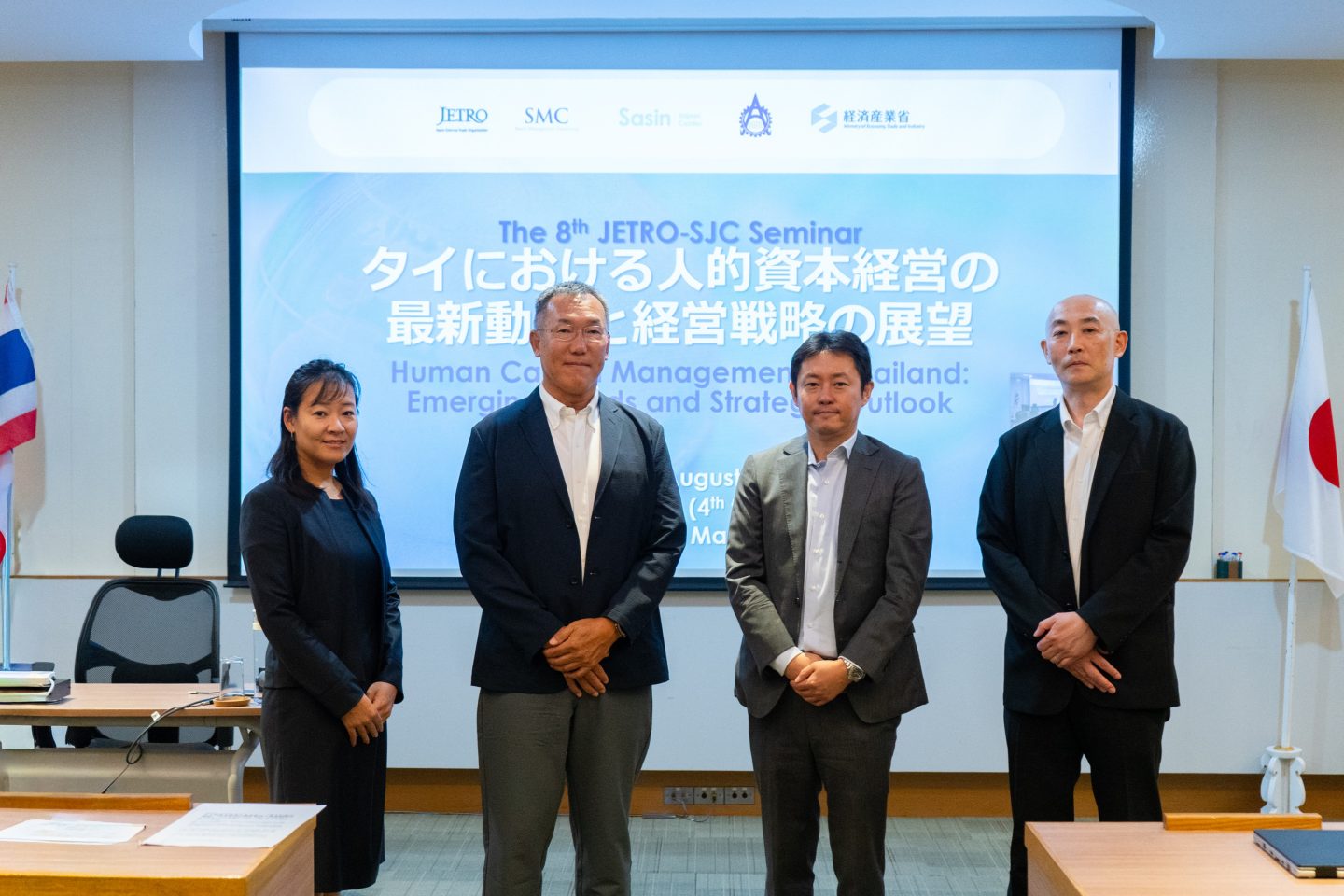
The 5th JETRO–SJC Seminar Brings Together Executives to Redefine Human Resource Localization in Thailand
18 February 2026
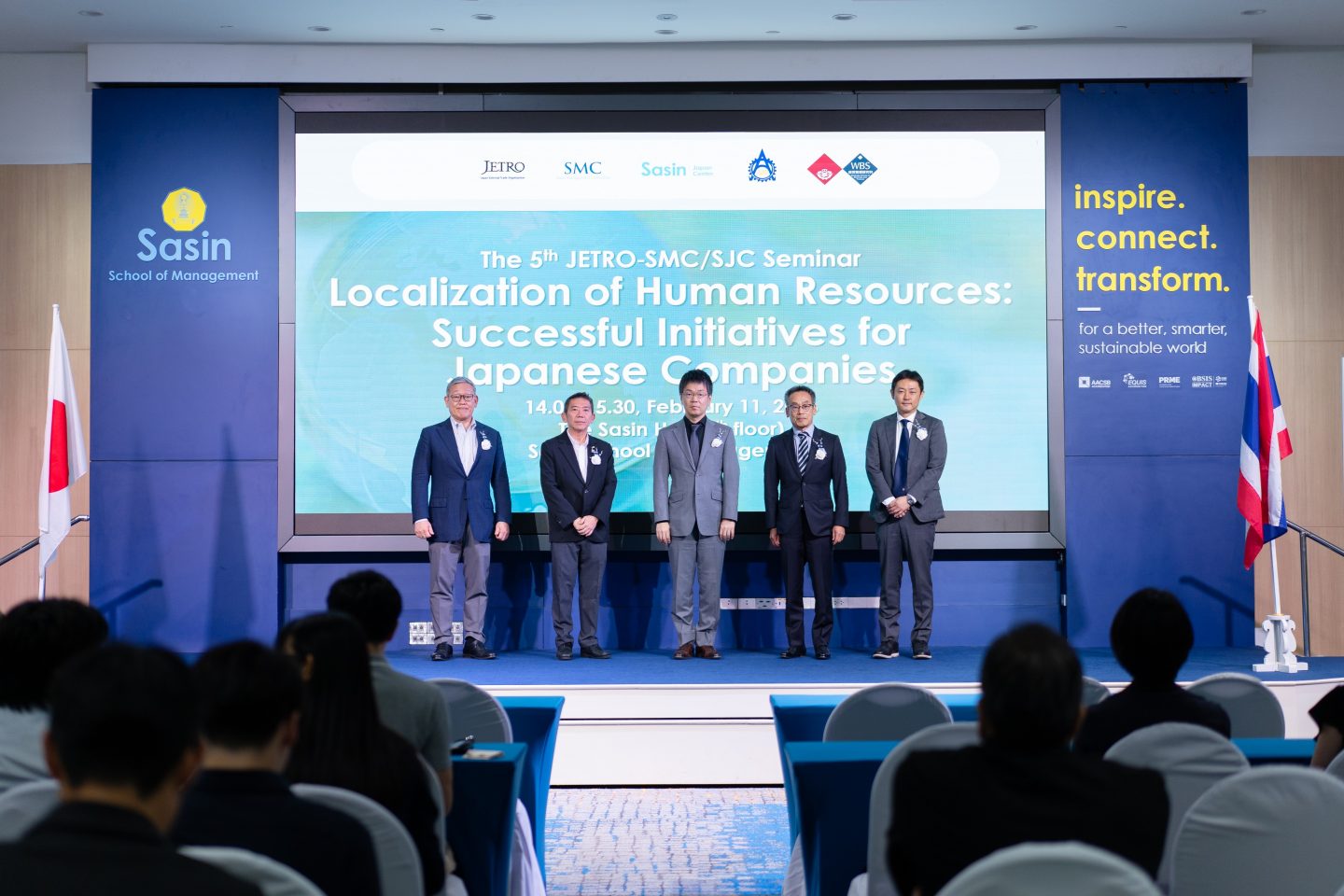
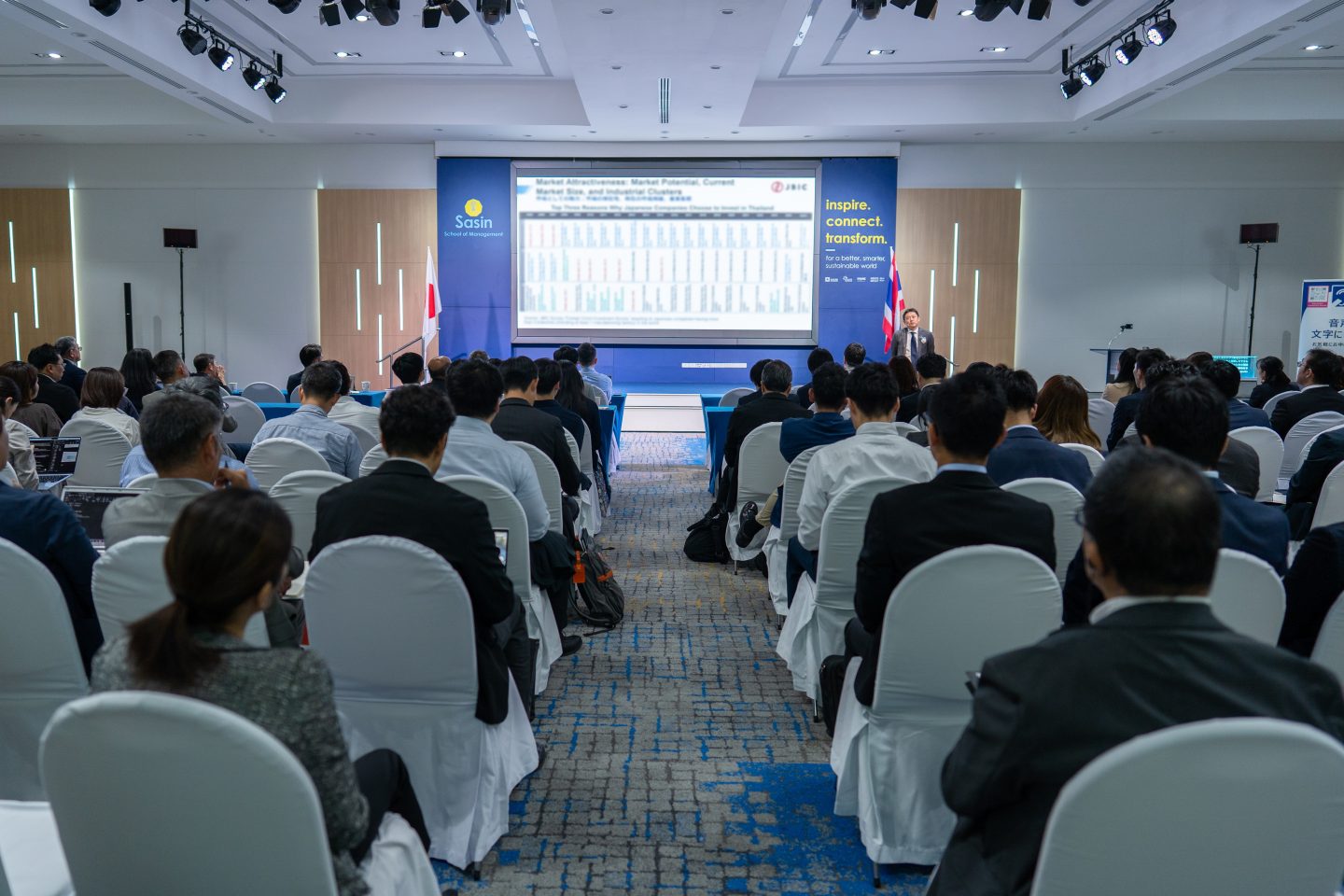
On February 11, 2026, the Bangkok Office of the Japan External Trade Organization (JETRO) and the Sasin Management Consulting Japan Center (SJC) successfully held the 5th JETRO–SJC Joint Seminar at Sasin School of Management.
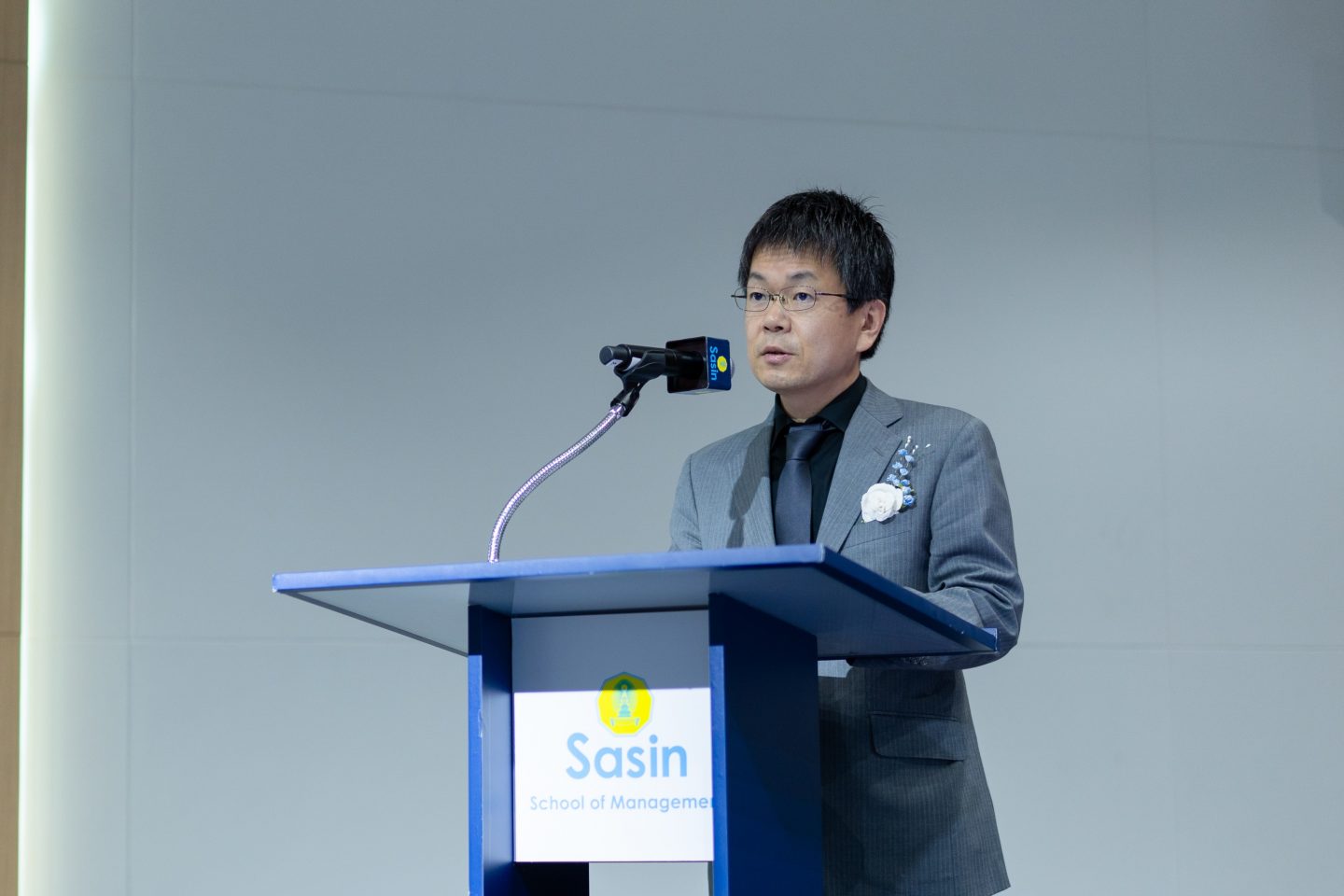
Under the theme “Localization of Human Resources: Successful Initiatives for Japanese Companies,” the seminar welcomed approximately 150 senior executives and management leaders from Japanese companies operating in Thailand. The event opened with remarks by Mr. Ichiro Abe, President of JETRO Bangkok, who underscored the increasing importance of strategic human resource management for Japanese firms navigating intensifying regional competition and structural labor market changes in ASEAN.
The seminar explored how localization has evolved from a cost-driven operational necessity into a core strategic agenda. Rather than viewing localization as a simple substitution of Japanese expatriates with local staff, speakers emphasized building sustainable systems that allow overseas subsidiaries to operate autonomously while maintaining strategic alignment with headquarters.
Global Talent Management and the Changing Role of Expatriates
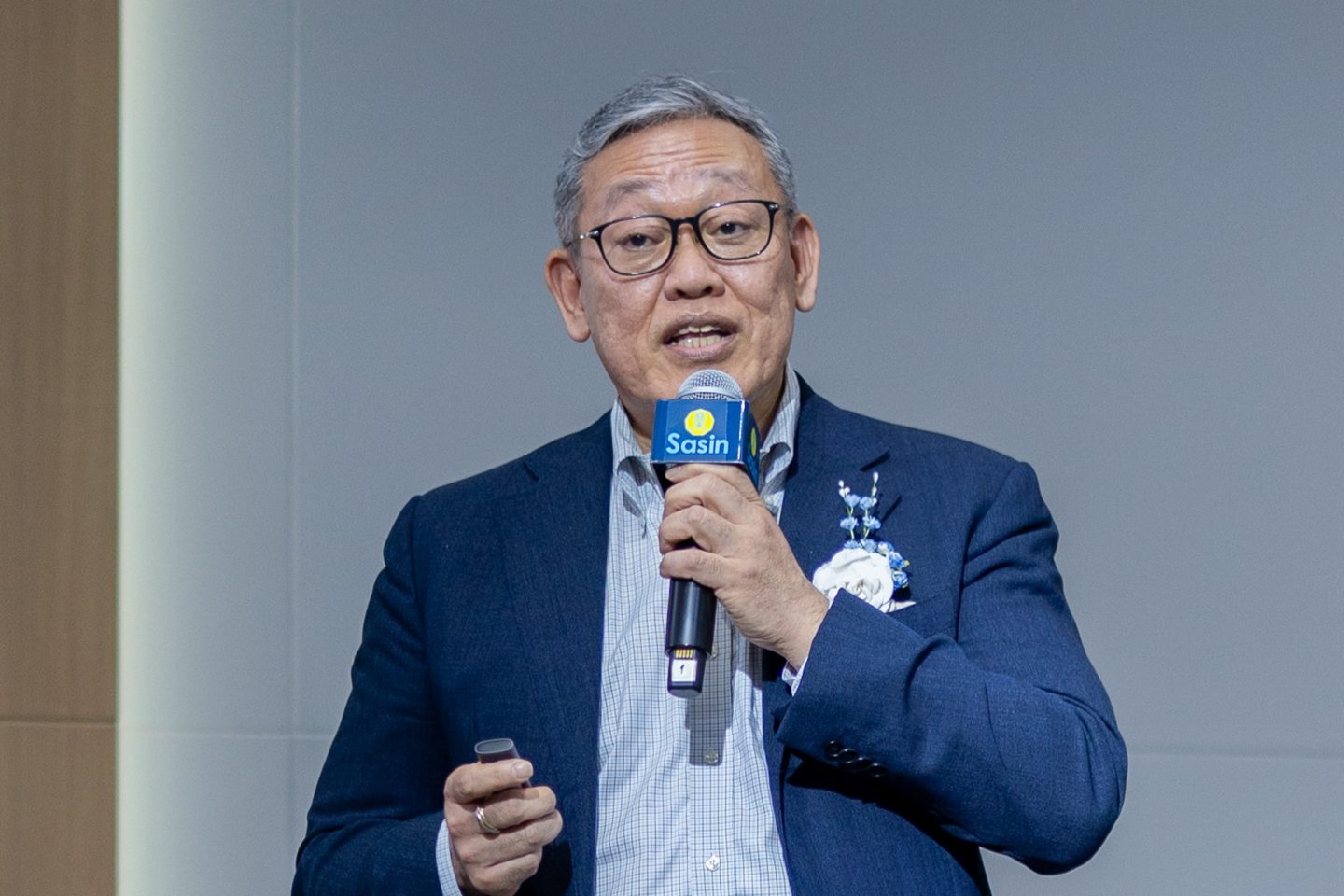
Professor Tetsu Horie (Waseda Business School, Institute for Transnational Human Resource Management) presented insights into global talent management trends and the transformation of expatriate leadership. He highlighted the need for expatriates to shift from supervisory and directive roles toward coaching, mentoring, and partnership-based leadership models that empower local teams.Strategic Perspectives on Localization
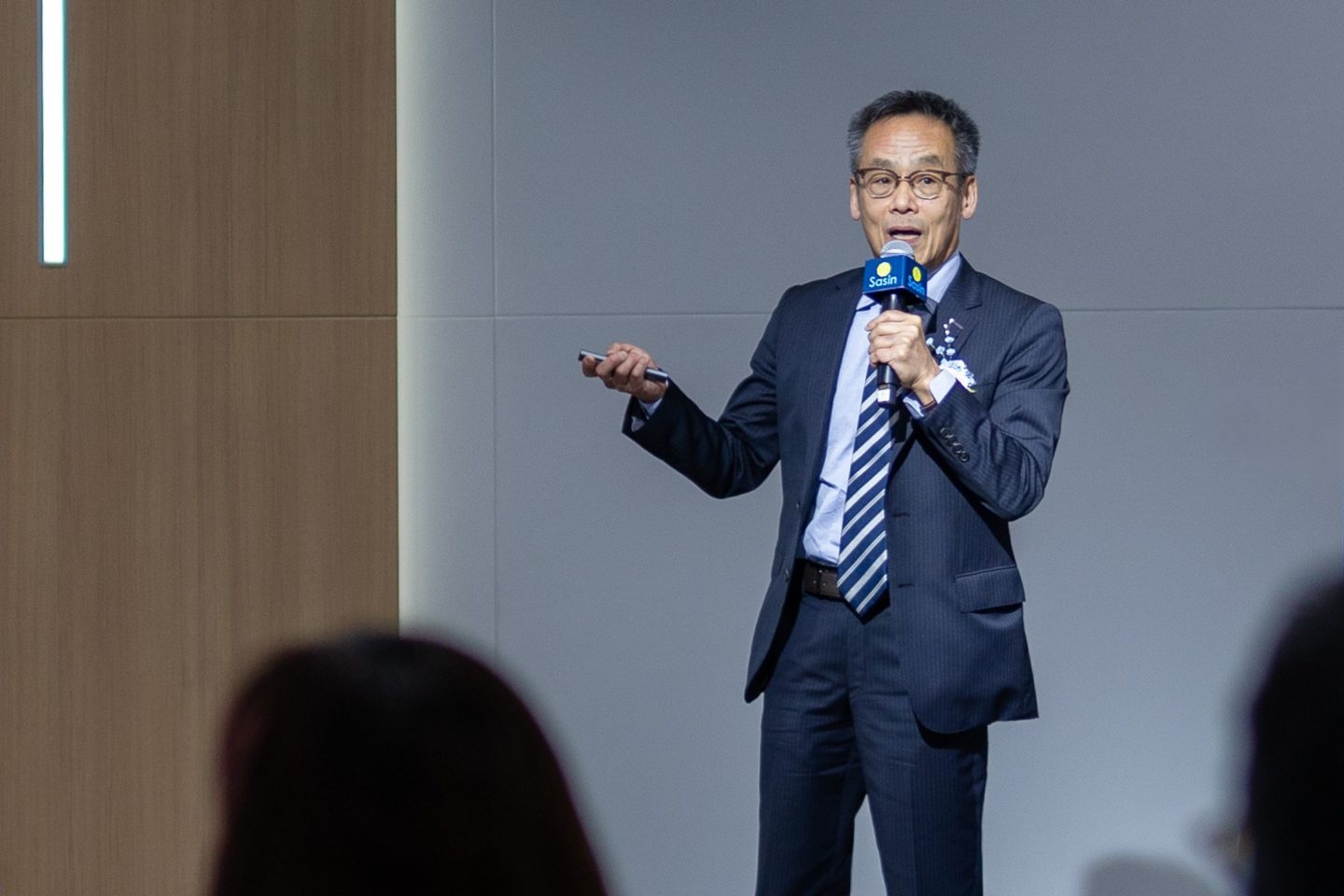
Professor Takamasa Fujioka (Advisor to Sasin Management Consulting Japan Center; Professor at Meiji Professional Graduate School) provided a structural analysis of Japanese companies’ evolution in Asia. He distinguished between:- Localization as a manufacturing base (focused on operational stability), and
- Localization as a market base (focused on local competitiveness and strategic decision-making).
Corporate Case Studies: Lessons from the Field
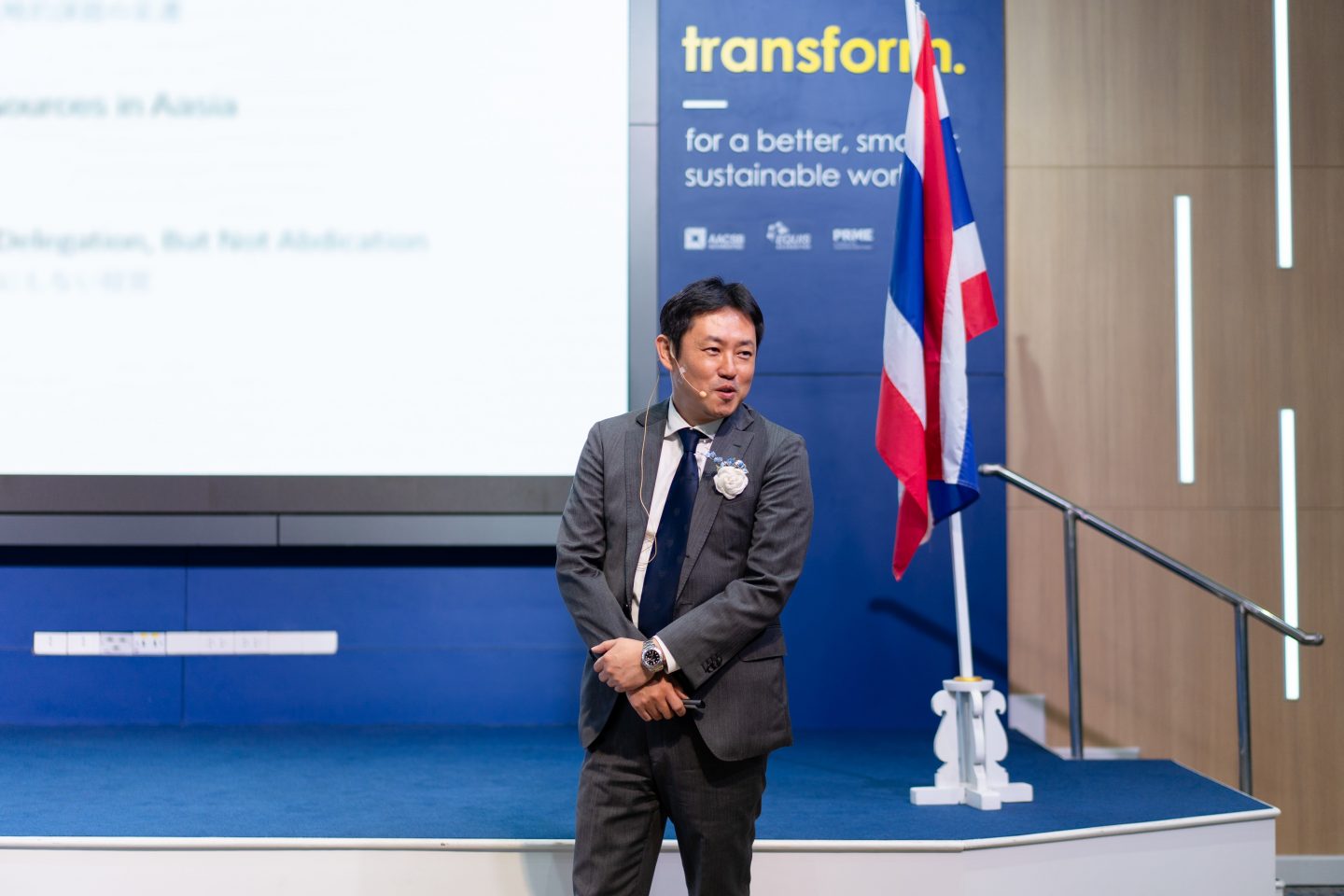
The seminar also featured practical case studies from leading Japanese-affiliated companies in Thailand. Mr. Satoshi Hirose, Executive Advisor to the CEO of Thai Yamaha Motor Co., Ltd., shared how Thai Yamaha has fostered cross-cultural understanding and developed local management capabilities through structured internal initiatives such as “KI Activities.” His presentation demonstrated how sustained investment in cultural integration and skill development strengthens both operational performance and employee engagement. Mr. Preechai Trannitad, Managing Director of Yokogawa (Thailand) Ltd., discussed the tangible benefits of localization from a management perspective. Drawing on Yokogawa Thailand’s experience, he illustrated how empowering local leadership has enhanced responsiveness, organizational resilience, and long-term growth in the Thai market.Engaged Dialogue Among Executives
The seminar concluded with an active networking session, during which participants exchanged views on talent shortages, rising wage expectations, retention challenges, and increasing competition from local and foreign firms in attracting high-caliber professionals. Feedback from participants indicated that the seminar provided:- A clearer strategic framework for localization,
- Concrete implementation insights from experienced practitioners, and
- A renewed understanding of the evolving role of expatriates in Southeast Asia.
Toward Sustainable Japanese Business in Thailand
The 5th JETRO–SJC Seminar reaffirmed that human resource localization is no longer merely an operational adjustment—it is central to long-term competitiveness and sustainable growth. JETRO Bangkok and the Sasin Management Consulting Japan Center will continue to collaborate in supporting Japanese companies in Thailand by providing platforms for dialogue, research-based insights, and practical case sharing. As Japanese firms deepen their presence in ASEAN, localization must move beyond rhetoric and become an integrated management system—one that empowers local leadership while maintaining global strategic coherence.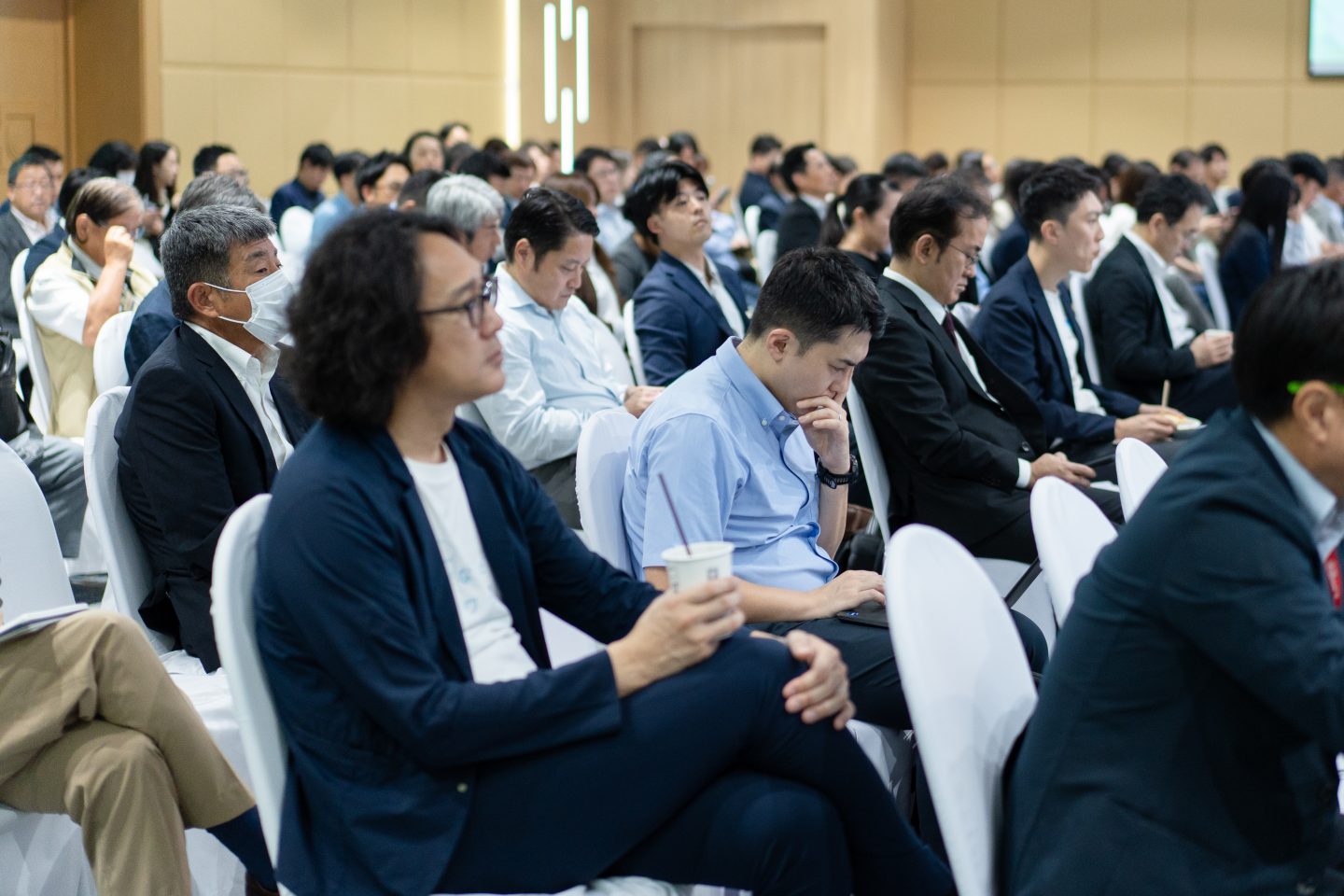
Share this article
You might be interested in...
Professor Takamasa Fujioka Appointed as Expert Committee Member on Japan’s Future Global South Policy
Professor Takamasa Fujioka Contributes to His 14th Book, Corporate Behavior in Asian Markets