Different Job, Same Job Title
19 November 2026
THOUGHT LEADERSHIP · FUTURE OF WORK
Different Job, Same Job Title
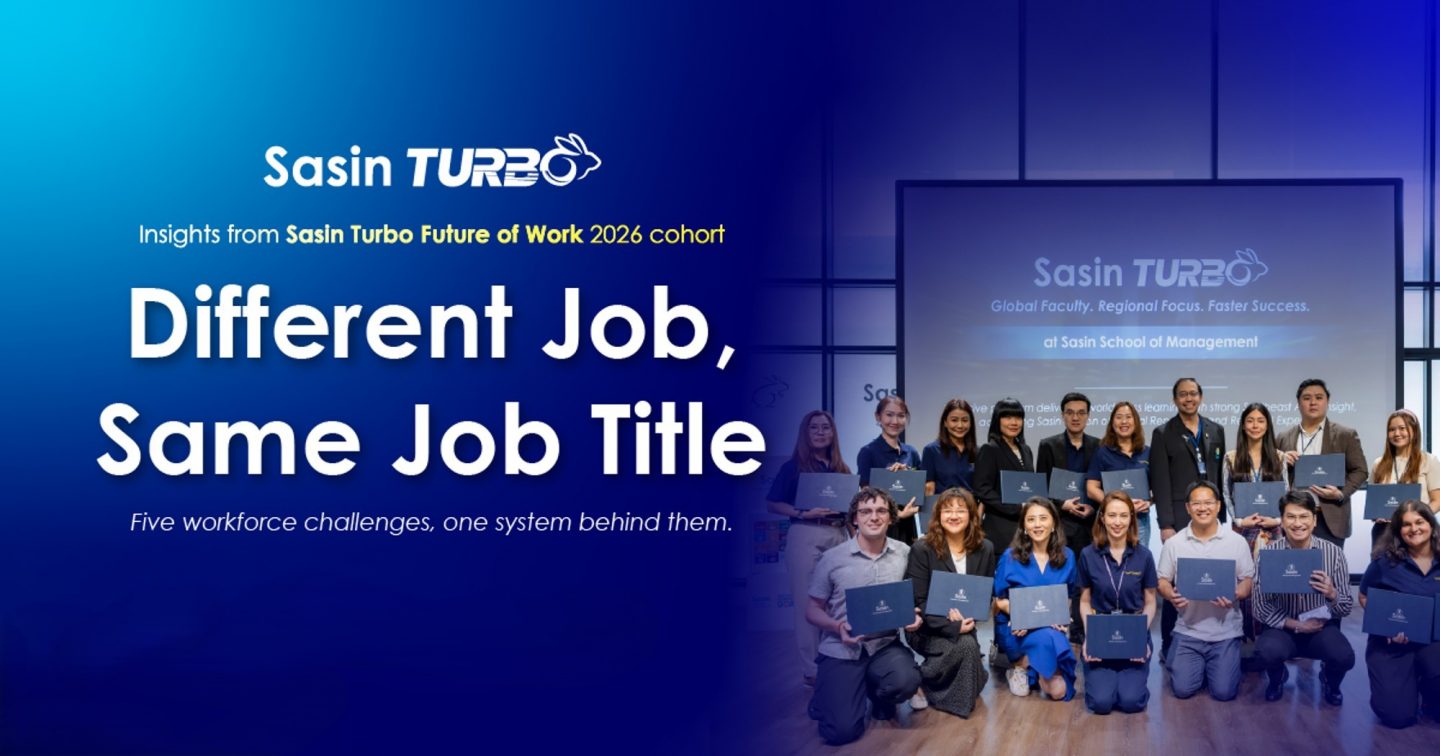
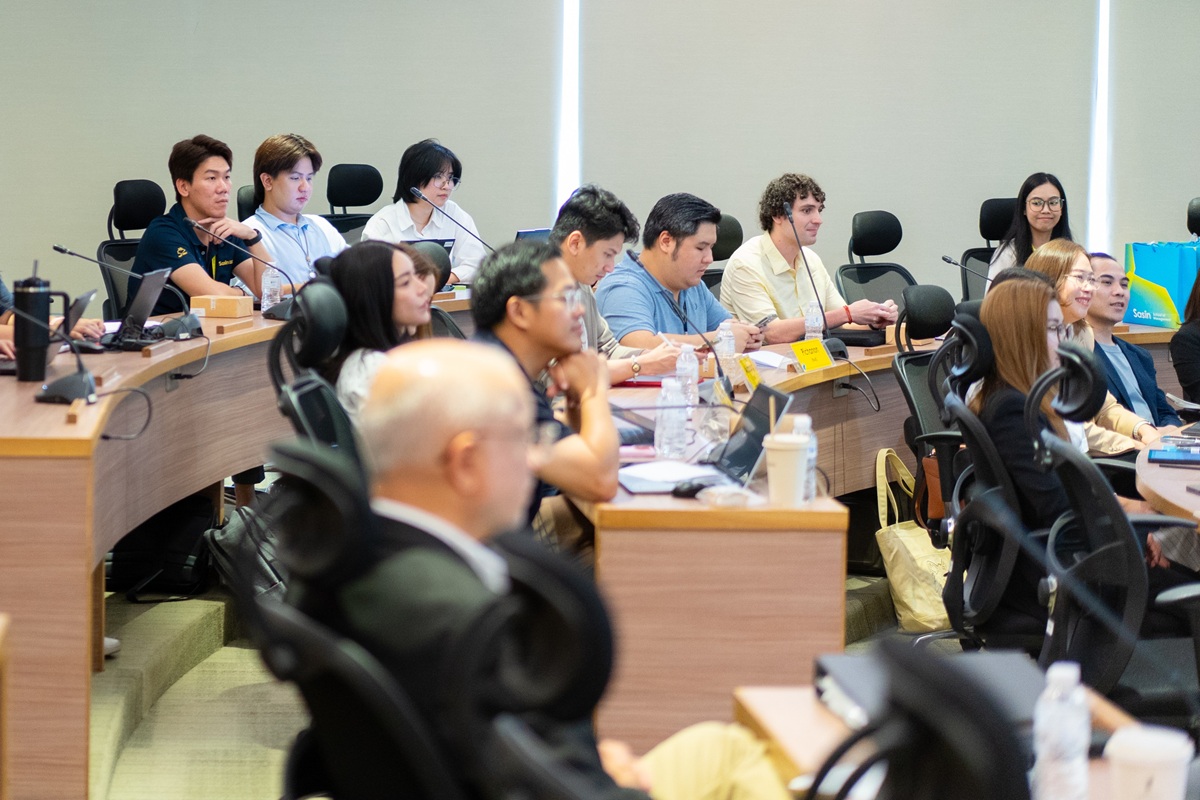
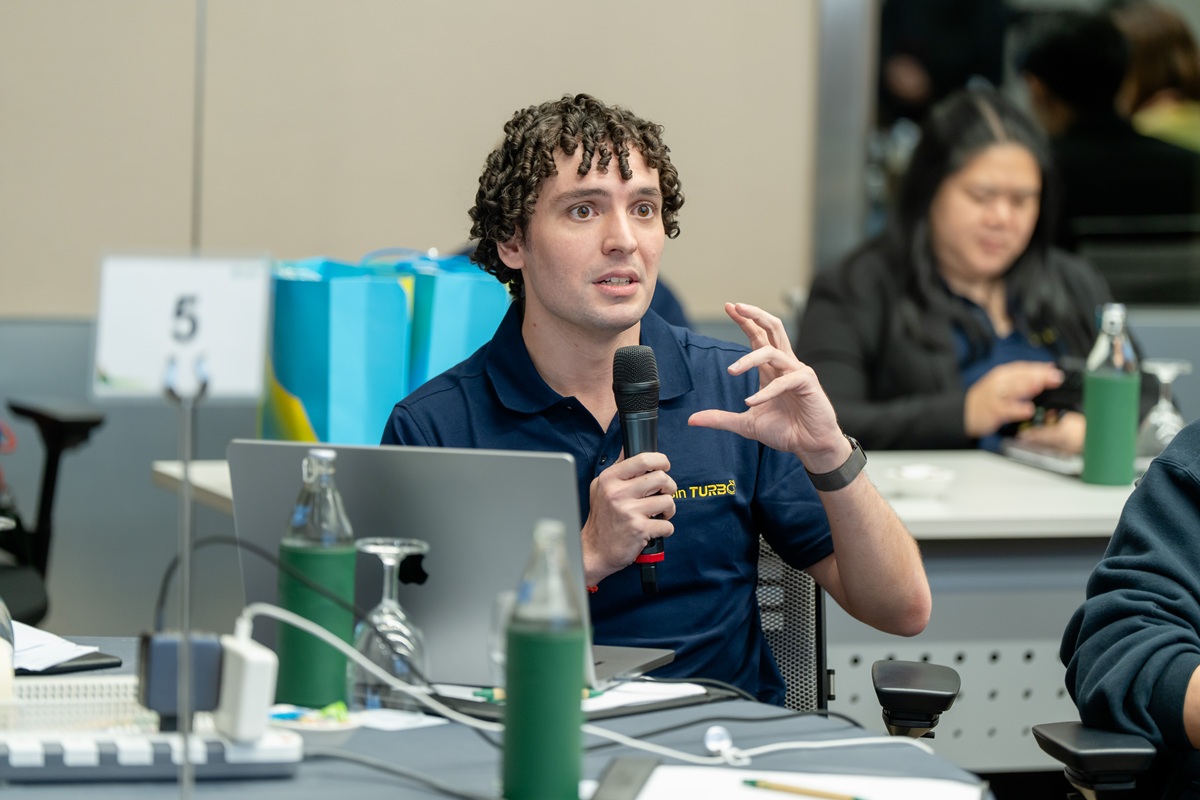
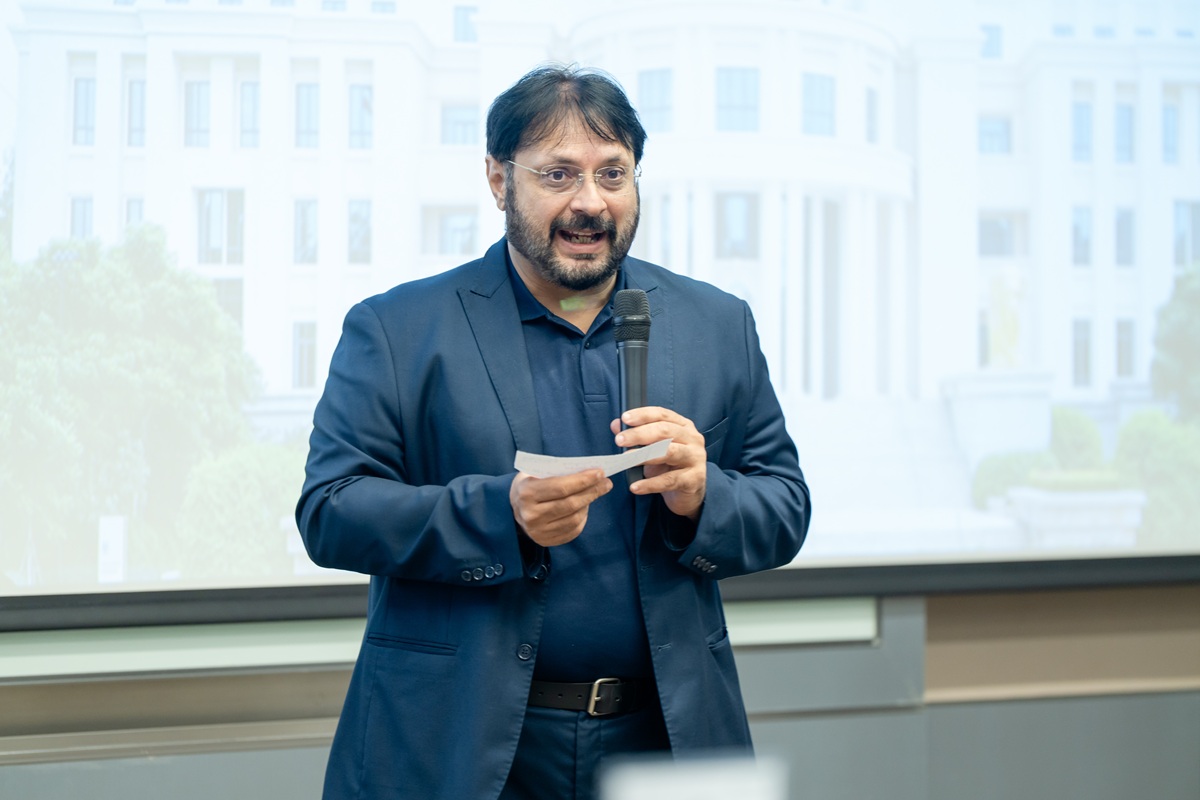
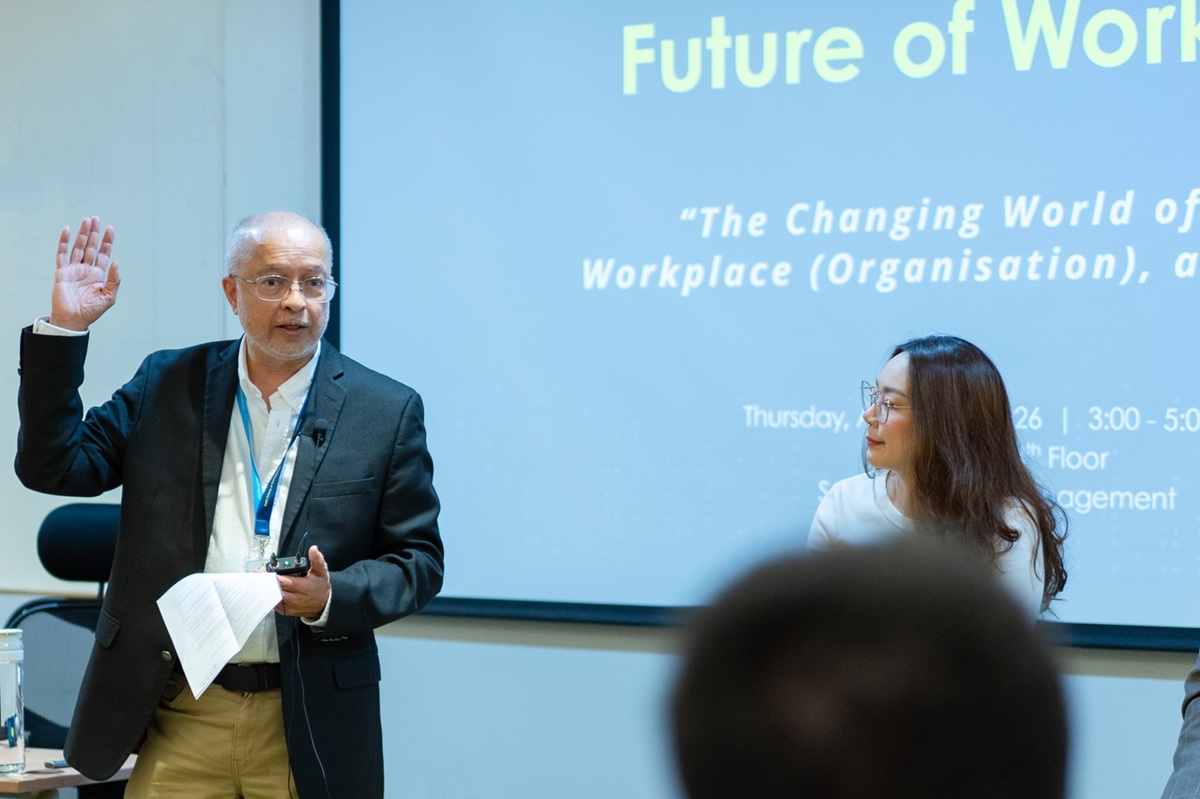
By the Sasin Turbo 1/2026 cohort | Facilitated by Kulshaan Singh and Steve Miranda
Organisations are training people for AI while leaving the job itself untouched. A cohort of Sasin Turbo executives found five reasons why, and one way to fix them.

ABOUT THIS PIECE Adapted from Five Challenges, One System, a cohort paper by participants in Sasin Turbo 1/2026 (MGMT-S-0095, Future Workforce Transformation), facilitated by Kulshaan Singh and Steve Miranda. The interviews are illustrative rather than statistically representative. The cohort: Anusara Sombatsathit, Auttapong Budhsombatwarakul, Boontarika Yutiyothin, Duangkamon Attavivan, Lukpaer Thavarayuts, Marisa Chutiphaworakan, Michael Ananpasin Suthanapun, Pattaravadee Kongsincharoenchai, Pichanon Nantavaropas, Pimnutchaya Liptawat, Pul Parmar, Rafael Torquato Cruz, Ratchanan Deesean, Siriphot Manoch, Thassatorn Wongsajja, Tianjian Su, Varna-anong Lapwattanamongkol, Wenjuan Qiu.
KEY TAKEAWAYS
- Most organisations invest in skills while approvals, handoffs and measures stay exactly where they were. People end up doing yesterday’s work faster.
- Five recurring workforce challenges are really one system, held together by accountability.
- Redesign the role before you train for it: decide which decisions move to the machine and which stay with a person.
- Start small: one role, one decision map, one twelve-week pilot against a control group.
Five challenges, one problem
Each challenge is a gap between what an organisation says it wants and what its own systems pay for.| Challenge | What we found | What to do |
| 1. Training for jobs we have not redesigned | AI arrives; decisions and approvals stay put. | Redesign the role around the decisions a person owns, then train. |
| 2. The leadership layer is not forming | Fewer juniors want the job, and AI is an easier assistant than an apprentice. | Fixed-term leadership roles, and seniors measured on successor readiness. |
| 3. We ask for risk and reward safety | Failure is personal, success is shared, inaction is never questioned. | Make waiting an explicit decision; reward the decision, not only the outcome. |
| 4. We honour an expired contract | Loyalty for security is a deal neither side can deliver now. | Offer employability honestly; reward skill and contribution. |
| 5. We keep fixing the numbers | Identical KPIs, different readings, no explanation. | A written rationale before release, and a voice that can change the answer. |
“None of these gaps closes by doing more of what is already being done.”
Start with the work, not the training
Every team in the cohort independently chose the same challenge first: training people for jobs that have not been redesigned. Three forces keep it in place. A completed course is easy to count, while a redesigned workflow takes a quarter to show anything. Job design falls between HR, the line and technology, so nobody owns it. And an expert asked to adopt a new tool trades proven mastery for visible uncertainty, so what looks like resistance is often a rational defence of their standing. The cohort’s answer is to sort the work three ways before anyone writes a training brief:- Automate rules-based volume. Worth doing, but every competitor has the same tools.
- Augment judgment. The machine supplies history and a draft; the person still decides.
- Amplify what only people see. This is where the lasting advantage lies, and where most organisations never get to.
Why the five fail together
The challenges cannot be fixed one at a time. Redesign the work without rebuilding the leadership layer, and you create roles with real decision rights that nobody is ready to hold. Make experimentation safer without redesigning the work, and you get safer versions of the wrong job. Publish a new employee deal without a fair, explainable process, and nobody has a reason to believe it. Fix fairness while the roles stay obsolete, and you produce consistent judgments about work that no longer matters. What connects them is accountability: naming who decides, forming the people who can hold those decisions, making it safe to exercise judgment, being honest about what the exchange costs the employee, and explaining every decision that affects someone’s standing.The first ninety days
None of this needs a transformation programme. It starts with one role.- Pick one role facing the most technological change, not the easiest one to reach.
- Publish the decision map: what the machine takes, what a person reviews, decides or escalates, with thresholds written down.
- Name the validators. Senior practitioners write the acceptance criteria, reviewed quarterly.
- Re-contract before training. Authority, KPIs, job description and reward change on one date.
- Run a twelve-week pilot with a control group, a named owner and a stop trigger.
- Hold back role-specific training until the redesigned role is clear.
ABOUT THIS PIECE Adapted from Five Challenges, One System, a cohort paper by participants in Sasin Turbo 1/2026 (MGMT-S-0095, Future Workforce Transformation), facilitated by Kulshaan Singh and Steve Miranda. The interviews are illustrative rather than statistically representative. The cohort: Anusara Sombatsathit, Auttapong Budhsombatwarakul, Boontarika Yutiyothin, Duangkamon Attavivan, Lukpaer Thavarayuts, Marisa Chutiphaworakan, Michael Ananpasin Suthanapun, Pattaravadee Kongsincharoenchai, Pichanon Nantavaropas, Pimnutchaya Liptawat, Pul Parmar, Rafael Torquato Cruz, Ratchanan Deesean, Siriphot Manoch, Thassatorn Wongsajja, Tianjian Su, Varna-anong Lapwattanamongkol, Wenjuan Qiu.




Share this article