Insights from the Sasin Turbo Industry Expert Talk: Negotiation & Influence
18 November 2026
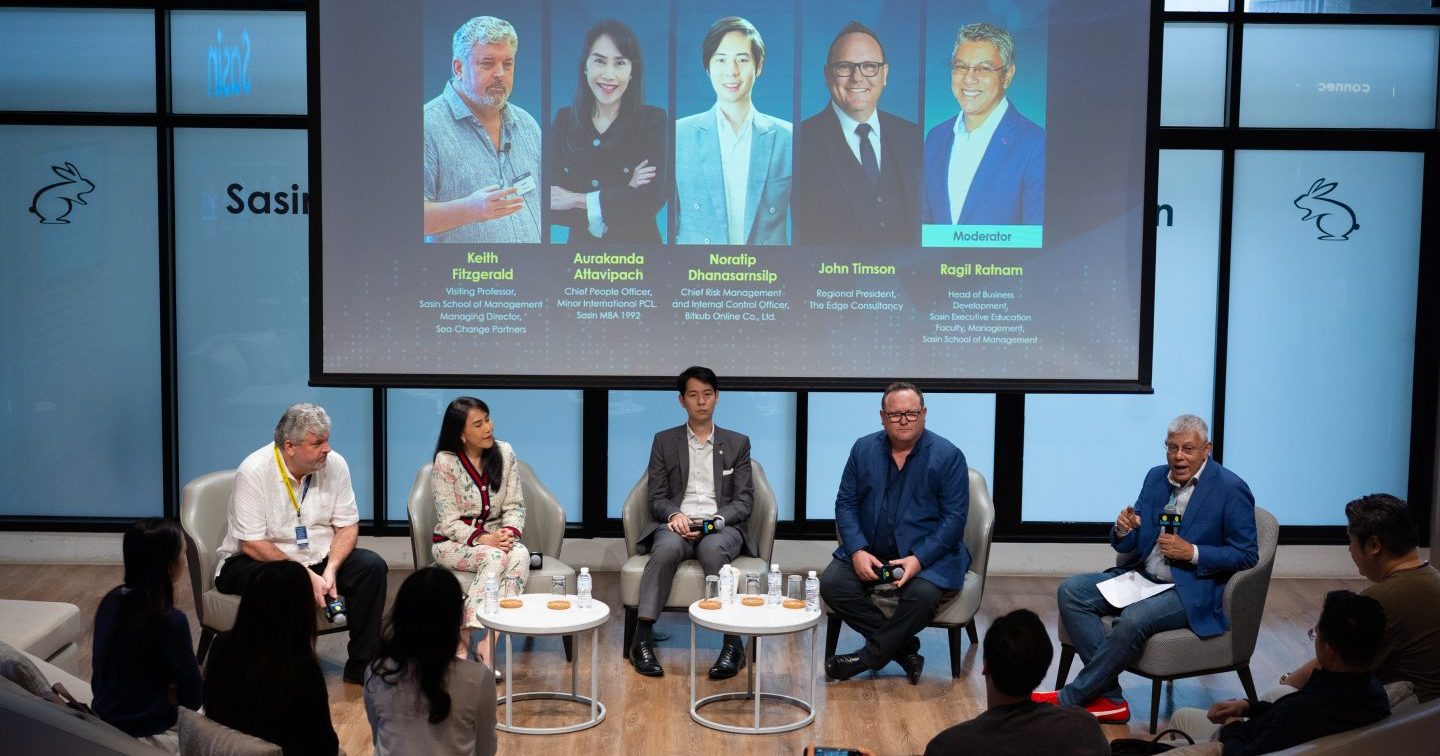
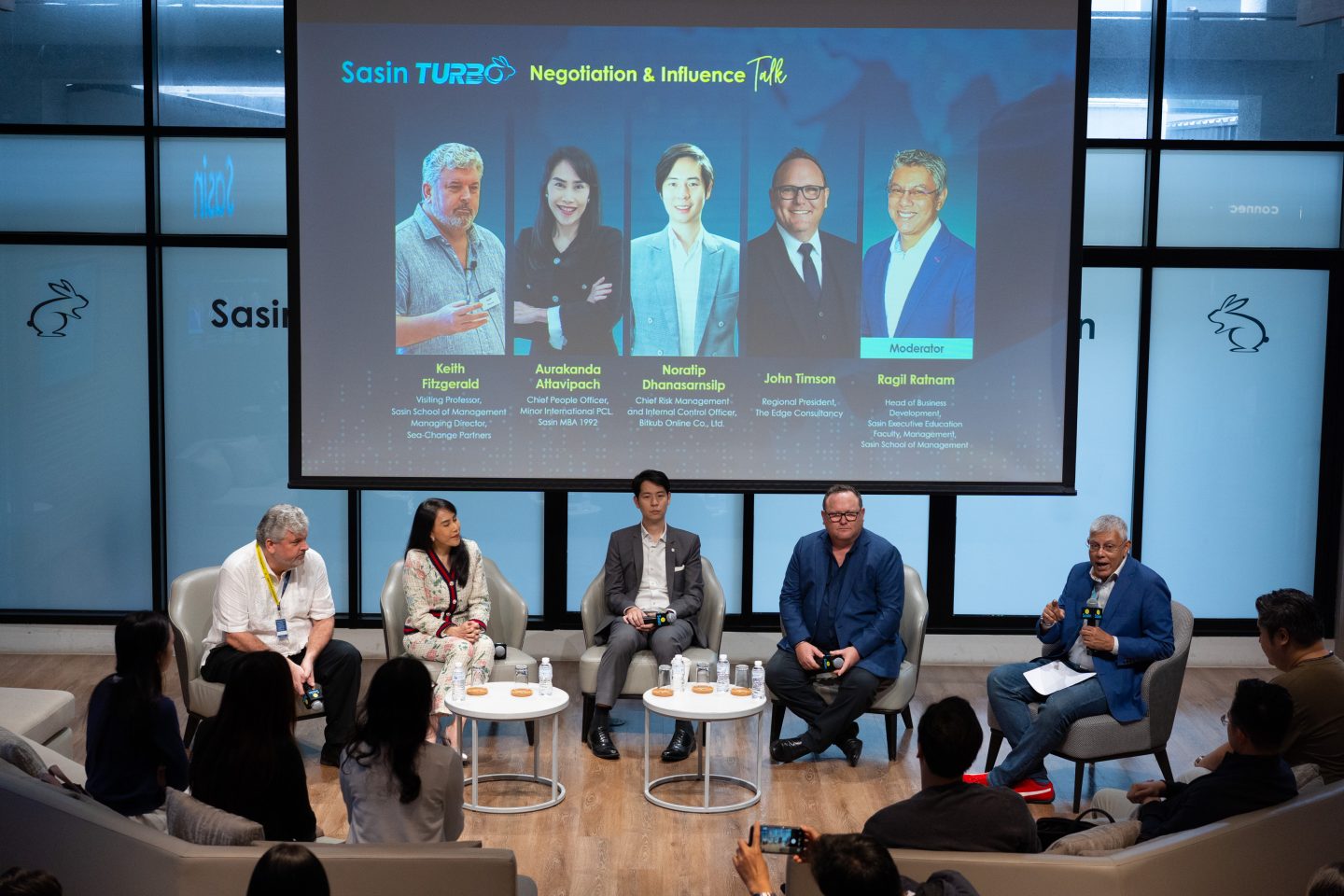
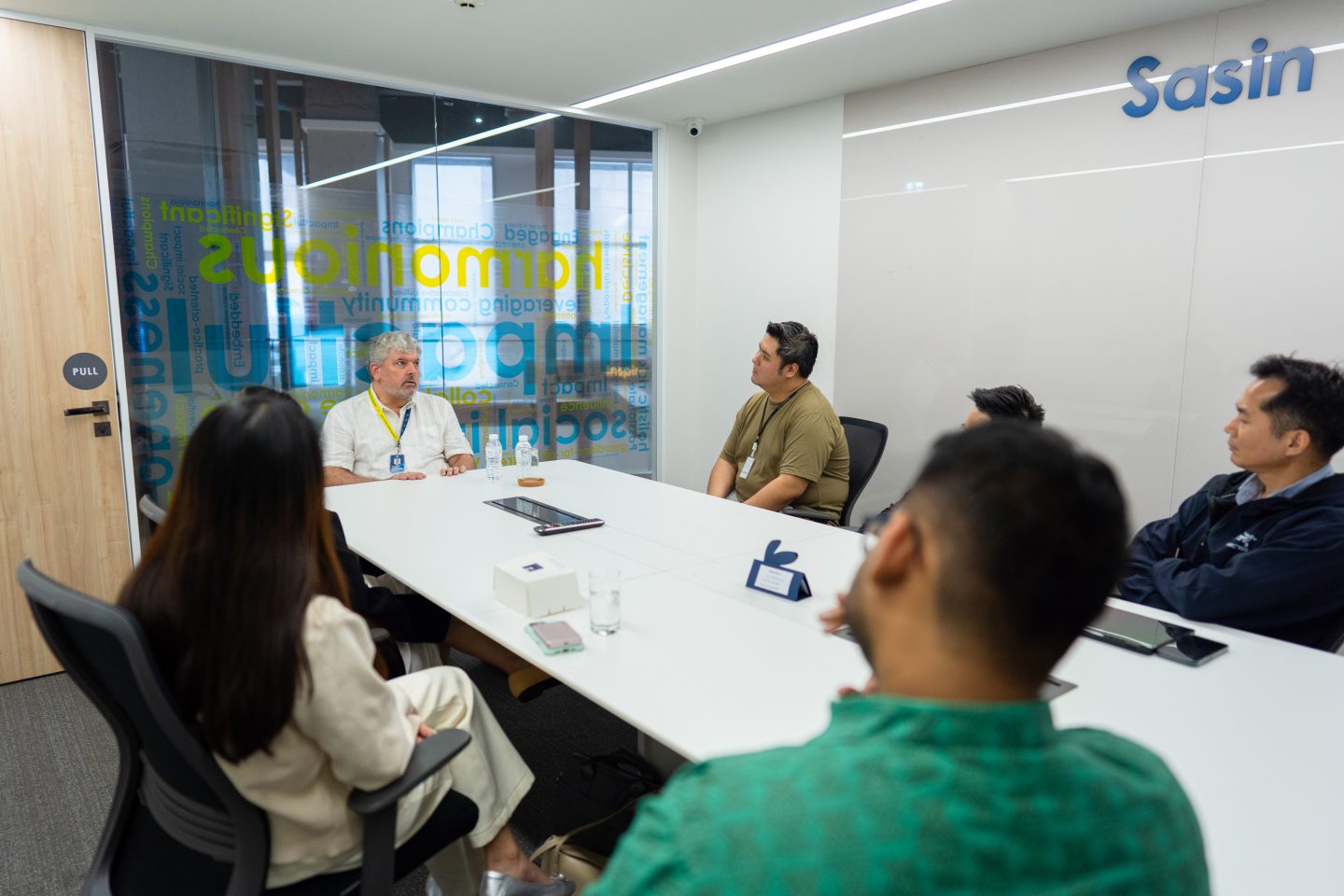
Traditional negotiation methods in which both parties use hard-bargaining techniques, try to maximize their own outcomes, and establish leverage are no longer applicable in today’s world. At the Sasin Turbo Industry Expert Talk: Negotiation & Influence, Sasin brought together Keith Fitzgerald, Visiting Professor at Sasin and Founder and Managing Director at Sea-Change Partners; Aurakanda Attavipach (Sasin MBA 1992), Chief People Officer at Minor International; Noratip Dhanasarnsilp, Chief Risk Management and Internal Control Officer at Bitkub Online; and John Timson, Regional President at The Edge Consultancy, for a panel discussion on what makes negotiation work and how to influence people. Here are three insights from the discussion on how to negotiate and influence effectively:
1. Set Your Agenda Aside: Understand the Other Party First
In negotiations, people should focus more on the other party, empathizing with them rather than thinking about their own gains. “The quicker you know what they want out of that deal, the better it will work,” John advised. “Some people think if they are talking hard enough, it will work, but the other side is thinking, when he shuts up, I will say no.”
John’s advice leads into Keith’s point. Keith brings Aristotle’s rhetorical triangle, or three ways of persuasion that appeal to the other party’s ethos (values), logos (logic), and pathos (feelings and passions), into the negotiation. To truly understand the other person’s agenda, you have to get inside their psyche and understand their values, reasoning, and emotions.
“If you want to have a dialog with someone, you have to go where they are mentally and psychologically, or else you are going to be talking past each other,” said Keith, who has had more than 35 years of experience as a practitioner of negotiation, conflict management, and crisis management, including in ceasefire and hostage negotiations. That often means understanding your counterpart’s perspectives and viewpoints and how those have shaped them.
Noratip added that negotiations in the tech industry tend to be more logical, with data and numbers carrying more weight than emotions. It is especially important to understand each stakeholder, know how tech regulations differ across them, and have a clear business plan before negotiating.
2. Build Relationships and Trust Before You Negotiate
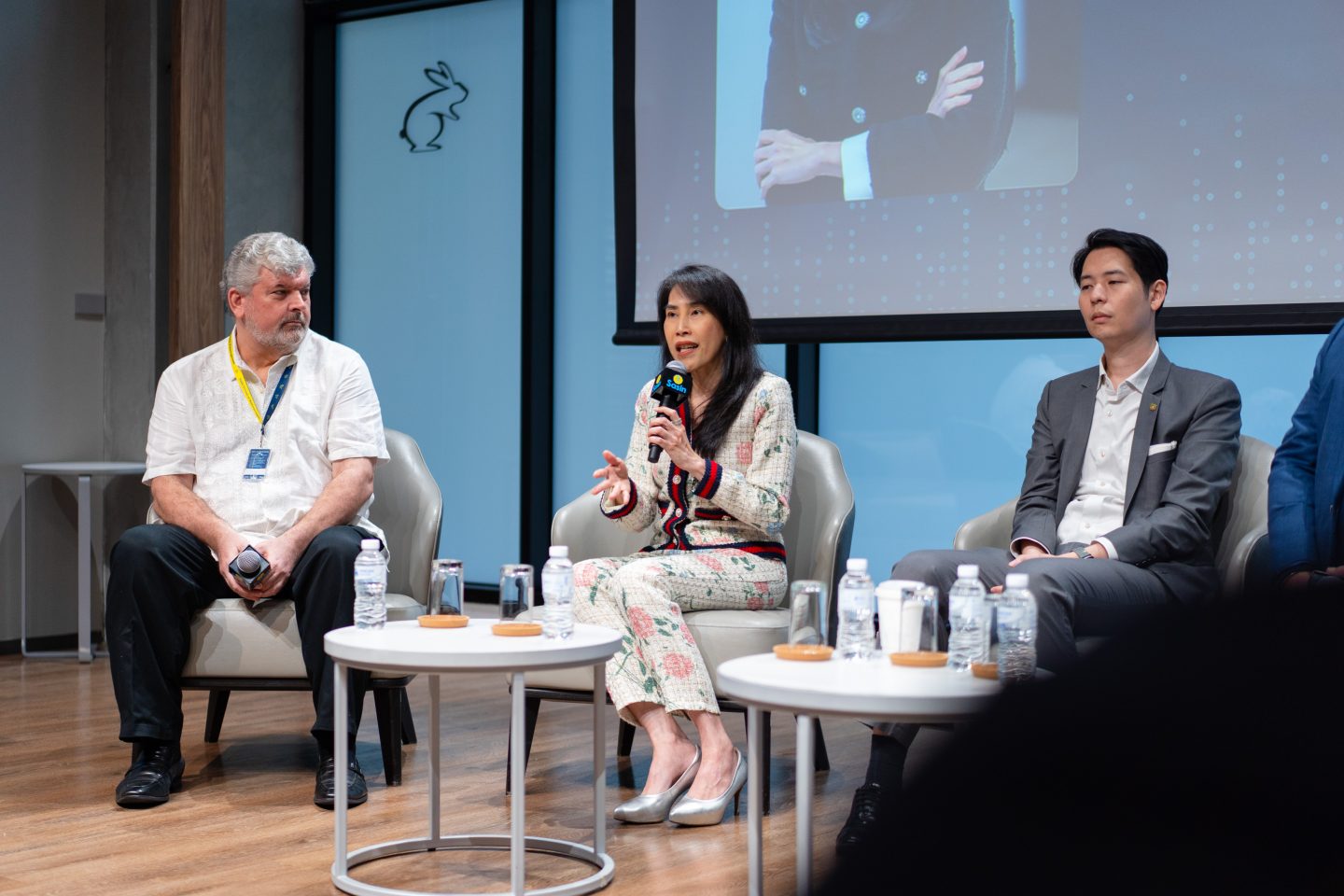
Aurakanda warns against framing a meeting as a negotiation. While the meeting goals and purpose should be clear, start by building common interests. Instead of hard bargaining, ask questions like, “How can we build business together?”
Noratip echoed this approach, drawing an analogy from The Sims: a character typically builds rapport first by getting to know the person they are interested in, spending time together, and making them feel valued before proposing marriage.
John emphasized that negotiation comes down to building trust and meeting universal needs like respect. This means that if a person or brand inspires trust, it becomes easier to get what they want. Culturally, that means learning the relationship nuances of each country you’re negotiating with. In Japan, John said, you show respect and establish a connection before talking business. In Australia, if you aren’t truthful, the negotiation is over. In Thailand, embarrassing someone causes them to lose face, and “you can sell pink unicorns, and they won’t buy it.”
This also means not provoking negative emotions in the other party, like anger or fear. John said one of the biggest mistakes climate tech companies make is frightening customers about the future, often talking as if the world is doomed and hell is coming. “…what that does is you’ve terrified me for the next 25 years,” he said. Case in point: the best way to sell an air conditioner isn’t to scare customers about climate change if they don’t buy one, but to emphasize its efficiency and cost savings.
3. Learn to Read People and Pay Attention to Nonverbal Cues
Like all human interactions, reading the other person is an acquired skill, and one of the most useful in negotiation. People often signal their position without saying a word. They might look nonchalant, turn sideways, or scroll on their phone to show that they don’t want to continue. “Most people will tell you before you get to the proposal stage that you lost the negotiation,” said John.
The same applies to the side holding the power, such as the interviewer facing a candidate. Aurakanda said that where you sit, how you project yourself (intimidating or friendly), and where the other person sits all play a crucial role in negotiations. “Never get an interviewee to be at the window with lights behind them; I am always sitting in a position where the light overpowers them.”
Beyond positioning, reading others also means managing yourself. Keith offered this advice: “At that moment when you are about to react, stop yourself, take a breath, and ask questions before you do something that will undermine yourself.”
To learn more about negotiation, enroll in the Sasin Turbo: Negotiation and Influence: Mastering Influence in a Complex World







Share this article